Can Dogs Safely Eat Pork? Understanding the Risks and Benefits
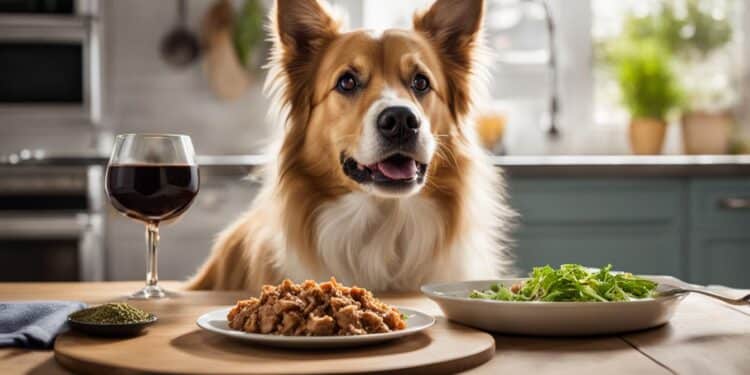
Pork is a controversial food when it comes to feeding it to dogs. While some experts consider it safe in moderation, others caution against it due to potential health risks. Understanding the risks and benefits of feeding your dog pork can help you make an informed decision about their diet.
Key Takeaways
- Feeding dogs pork is a divisive topic among experts.
- Cooked pork can be safe for dogs if cooked thoroughly and served in moderation.
- Pork is a good source of protein and essential amino acids for dogs.
- There are potential risks associated with feeding pork to dogs.
- Pork can also offer nutritional benefits for dogs, such as high-quality protein and vitamins.
Is Pork Safe for Dogs to Eat?
According to the American Kennel Club, pork is generally safe for dogs to eat, as long as it is cooked thoroughly and served in moderation. Cooked pork is a good source of protein and essential amino acids for dogs. However, there are some factors to consider before including pork in your dog’s diet.
- Risks of Pork for Dogs: While cooked pork can be safe for dogs, certain precautions should be taken to ensure their well-being. Raw or undercooked pork can contain parasites such as Trichinella spiralis, which can cause trichinosis in dogs. Additionally, processed pork products like bacon or sausages often contain added salt and other seasonings that can be harmful to dogs in excess.
- Allergies and Sensitivities: Some dogs may be allergic or sensitive to pork. Just like humans, dogs can develop adverse reactions to certain foods, and pork is no exception. If your dog shows signs of an allergic reaction, such as itching, vomiting, or diarrhea after eating pork, it’s best to consult your veterinarian.
- High Fat Content: Pork is generally higher in fat compared to other meats commonly included in a dog’s diet, such as chicken or turkey. While dogs require a certain amount of fat in their diet, excessive fat intake can lead to obesity, pancreatitis, and other health issues. It is crucial to account for the overall fat content of your dog’s diet when including pork.
Consulting with your veterinarian is always recommended before making any significant changes to your dog’s diet. They can provide personalized advice based on your dog’s specific needs and health conditions.
Expert Insight:
“While pork can be included in a dog’s diet, it’s essential to prioritize their safety and well-being. The key is to ensure that the pork is thoroughly cooked, without any bones, seasonings, or excessive fat. Monitoring your dog for any adverse reactions and staying within moderation is crucial.”
| Benefits of Including Pork in a Dog’s Diet | Considerations for Feeding Dogs Pork |
|---|---|
| Pork is a good source of protein and essential amino acids, which are necessary for muscle development, repair, and overall health in dogs. | Cook pork thoroughly to eliminate the risk of parasites and bacteria. |
| Pork contains important vitamins and minerals like B12 and zinc, which contribute to a dog’s immune function and skin health. | Avoid processed pork products that are high in sodium and additives that can be harmful to dogs. |
| In moderation, pork can provide variety in a dog’s diet, making mealtime more enjoyable and reducing the chance of picky eating habits. | Monitor your dog for any signs of allergies or sensitivities to pork, such as digestive issues or skin irritations. |
The Benefits of Including Pork in a Dog’s Diet
When it comes to the debate about feeding dogs pork, it’s important to consider the potential benefits alongside the risks. Including pork in a dog’s diet can offer several advantages to their overall health and well-being.
Pork is a rich source of high-quality protein, which is essential for muscle development and repair in dogs. Protein plays a crucial role in supporting their immune system, promoting healthy skin and coat, and providing the necessary energy for daily activities.
In addition to protein, pork contains essential amino acids that are vital for a dog’s body to function properly. These amino acids help in the production of enzymes, hormones, and other important molecules. They also contribute to building and repairing tissues, ensuring optimal growth and development in dogs.
Furthermore, pork is a natural source of vitamins like B12 and zinc, which are essential for a dog’s overall health. Vitamin B12 aids in the formation of red blood cells and the proper functioning of the nervous system, while zinc supports a healthy immune system and promotes wound healing.
While pork should be fed to dogs in moderation and properly cooked to eliminate the risk of parasites or bacterial contamination, its inclusion in a balanced diet can provide valuable nutrients. However, as with any dietary changes, it is recommended to consult with your veterinarian to ensure the best diet for your individual dog’s needs.
FAQ
Is it safe for dogs to eat pork?
According to the American Kennel Club, pork is generally safe for dogs to eat, as long as it is cooked thoroughly and served in moderation.
What are the risks of feeding dogs pork?
While some experts consider pork safe in moderation, others caution against it due to potential health risks. It is important to consider factors such as the cooking method and seasoning used, as well as the individual dog’s dietary sensitivities and health condition.
What are the benefits of including pork in a dog’s diet?
Pork is a rich source of high-quality protein, essential amino acids, and vitamins like B12 and zinc, which can be beneficial for a dog’s overall health and well-being.
How should pork be prepared for dogs?
Pork should be cooked thoroughly to kill any harmful bacteria. Seasonings like salt, garlic, and onion should be avoided, as they can be toxic to dogs. It is recommended to consult with a veterinarian for specific guidelines on preparing pork for your dog’s diet.