Understanding Dog Eye Contact: Bonds And Boundaries
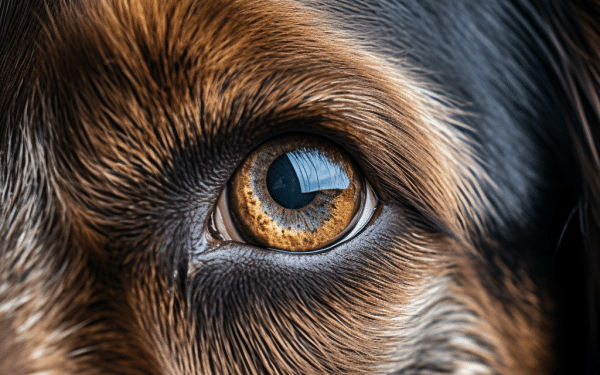
Dog Eye Contact: Staring down a dog in the eyes will usually be of little or no problem if there is an existing strong bond between you and the dog. But when you stare down an aggressive stranger dog, you could face certain backlashes. This post explores how dogs react to being stared down in different circumstances. Let’s dive in!
Is it Bad To Have Eye Contact With Dogs?
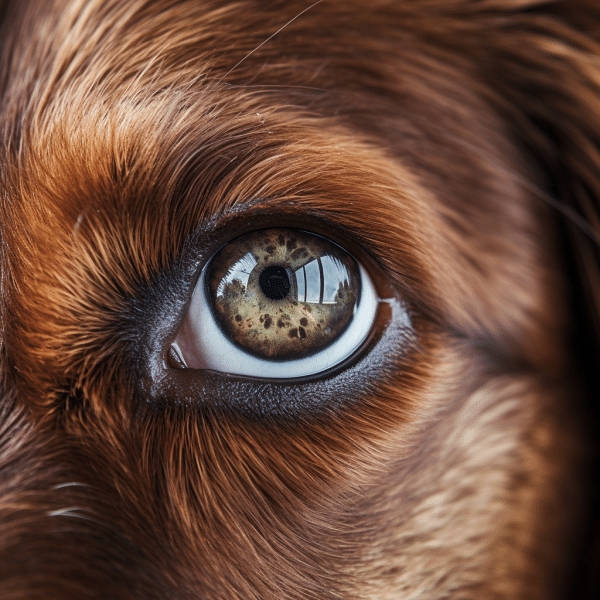
You can show love or aggression through eye contact with your dog, depending on the situation and your knowledge of your dog. Short glances can strengthen the bond, but should only last two seconds. Long stares or staring while using the word “taring” can be threatening and cause anxiety problems.
Do Dogs like The idea of looking into your eyes?
Well, those snuggly cold nose canines love the idea of looking into your eyes from time to time: either to beg you for food or to draw your attention, or to accept instructions from you. Your dog loves eye contact as this could bring them to communicate with you. But is eye contact staring?
Have you noticed that two dogs walking past each other on the street or in the park barely make eye contact? We, humans, get love hormones(oxytocin) activated by just making eye contact, but the same can’t be said for dogs.
Dogs could stare at each other for a very short while before playing and anything that makes them retain eye contact for a longer period, then aggression is brewing.
Generally, how dogs react is context-based, which is why you have to give out extra cues on how you’re feeling, which will make the dog more relaxed, scared o aggressive.
Should you be making eye contact with dogs?
In as much as a lot of trainers and pet owners would want to lecture you on how it is terrible to have eye contact whit dogs, eye contact is usually key to successfully training dogs and diverting dogs from lots of unwanted behavior like licking your watch.
Long stares at dogs can cause problems. Eye contact with dogs can release oxytocin, which strengthens the bond between you and your dog. Dogs can detect your level of oxytocin through your urine.
In cases where your dog suddenly refuses to look at you, or in a situation where you want to teach them new tricks or sports without distractions, asking them to look into your eyes can g a very long way.
What Happens If You Stare Down a Dog In The Eyes?
As I stated earlier, your dog’s reaction to you staring at him in the eyes could differ depending on context. but below are what can happen if you stare your dog in the eyes:
Your Dog Will Feel Challenged
If you stare at an unfamiliar dog, it might feel challenged or nervous. They could think you want their chew toy. So, it’s best to avoid eye contact with unknown dogs. Especially with dogs that are already anxious or have had bad experiences with people before. If a dog is too excited, it might try to make you leave by barking, changing its behavior, or even biting you. If a strange dog stares at you without blinking, don’t assume it’s friendly. Back away because the dog is telling you it’s uncomfortable.
Your dog will carry out activities it has Tied to long stares
If you react too strongly, your dog will assume they should do what you want when you stare at them. Many of us don’t train our dogs properly, so they do things we don’t like and we react badly. This can start a pattern of bad behavior.
If you stare at a dog you’ve punished before, it may avoid eye contact or walk away. Staring can make a dog anxious because they don’t know what you want from them. In summary, being over-reactive and staring at your dog can lead to unwanted behavior and anxiety in your pet. Proper training and positive reinforcement can help avoid these issues.
Factors Influencing A Dog’s Reaction To A Stare Down
Breed, temperament, and individual personality:
To fully understand how dogs will react, it’s essential to recognize that varying breeds are characterized by their unique predispositions and temperaments. Certain types of dogs may exhibit increased aggressiveness or assertiveness whereas other dog breeds often display more subdued or relaxed personalities.
Distinctive personalities of individuals also contribute significantly. Canine companions, much like us humans, have unique characteristics that influence their responses toward different stimuli like eye contact.
Upbringing, socialization, and past experiences:
A dog’s behavior and reactions can be influenced by their early experiences, socialization, and training. Dogs that have been well-socialized and exposed to different people, animals, and environments tend to be more confident and comfortable. Dogs with limited socialization or negative past experiences may be more prone to fear, anxiety, or aggression. Intense eye contact can make these issues worse.
Relationship with the dog and trust levels:
The existing relationship between a person and a dog can greatly influence their response to prolonged eye contact. Dogs that trust and have a positive bond with their owners or familiar individuals are more likely to tolerate or feel at ease with eye contact.
However, unfamiliar people or individuals with strained relationships may evoke a more defensive or reactive response from the dog.
Context of the situation and environment:
Dogs respond differently to how you look at them. This depends on things like the environment, safety, and other things around them. If there’s a lot of noise and chaos, avoid eye contact that might make them anxious. It’s important to understand these factors to interact with dogs in a responsible and empathetic way. However, there can still be exceptions, so it’s best to assess the dog’s behavior in context and seek professional advice when needed.