Trust in Canine Obedience Training
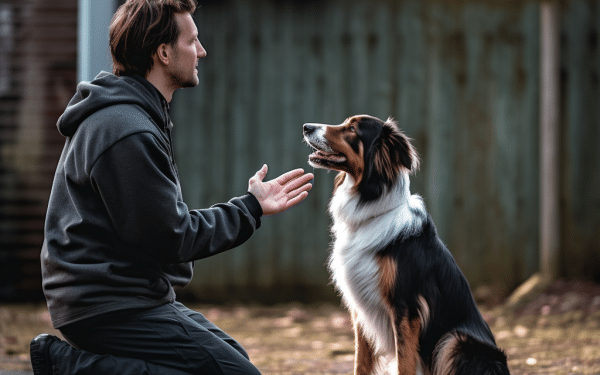
Canine obedience is essential for a harmonious relationship between dogs and their owners, and trust-building plays a fundamental role in achieving this goal. This is especially important for rescue dogs, who often come with unique challenges due to their past experiences and lack of training.
Managing a dog’s behavior and meeting their needs for safety and happiness are crucial aspects of canine obedience. Training, ideally with the help of a professional, can significantly contribute to building a strong relationship, positive associations, communication, trust, and engagement.
During training, it is important to practice compromise to make the dog feel comfortable and willing to participate. Offering the right treats as rewards can also be a powerful tool. The best dog training treats are those that not only provide a delicious reward but also offer nutritional value.
Some top-notch options for dog training treats include Zuke’s Mini Naturals, Full Moon Organic Dog Treats, Pet Botanics Training Reward treats, RedBarn puffed treats, Old Mother Hubbard oven-baked treats, and Buddy Biscuits Training Bites. These treats are known for their quality ingredients, flavors, and size, making them ideal for training sessions.
It’s essential to consider the individual preferences of your dog when choosing training treats as every dog has its own likes and dislikes. Consulting with a veterinarian can provide valuable guidance and ensure that the treats you select are appropriate for your dog’s specific needs.
In conclusion, building trust through training is a key aspect of canine obedience. By prioritizing trust-building, owners can cultivate a strong bond with their dogs, leading to a harmonious and fulfilling relationship.
The Significance of Obedience Training
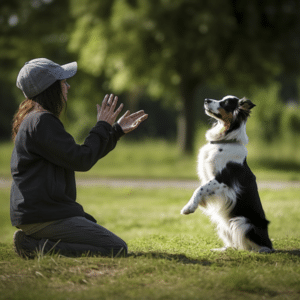
Obedience training is crucial for dogs, especially rescue dogs, as it helps them overcome behavioral issues and adapt to their new environment. Adopting a rescue dog can bring unique challenges, as these dogs often come from backgrounds of neglect or abuse and may lack basic training. Obedience training provides structure, discipline, and guidance, giving these dogs a sense of security and confidence.
By participating in obedience training, dogs learn important commands such as sit, stay, come, and heel. These commands not only ensure the dog’s safety but also help establish a bond of trust and communication between the dog and their owner. Moreover, obedience training helps address common behavioral problems such as chewing, jumping, and barking, making the dog more manageable and less likely to engage in destructive behaviors.
Professional training is highly recommended, as experienced trainers understand the specific needs of rescue dogs and can tailor the training program accordingly. They utilize positive reinforcement techniques to encourage good behavior and create positive associations with training sessions. This not only enhances the learning process but also fosters trust and engagement between the dog and their trainer.
Professional training
| Benefits of Obedience Training: |
|---|
| 1. Establishes a strong bond between the dog and their owner. |
| 2. Builds trust and improves communication. |
| 3. Addresses behavioral issues and promotes good manners. |
| 4. Enhances the dog’s overall well-being and happiness. |
When training a dog, strike a balance between pushing them to learn and respecting their comfort levels, as each dog is unique. A positive, patient approach using rewards makes training a positive experience.
Choose training treats that taste great and offer nutrition. Recommended options like Zuke’s Mini Naturals, Full Moon Organic Dog Treats, and more are packed with natural ingredients and come in suitable sizes for training rewards.
Consulting with a vet
Every dog is unique, and their dietary needs may vary. It’s important to consult with a veterinarian when selecting training treats, especially if the dog has specific dietary restrictions or health concerns. A vet can provide guidance and recommend treats that are not only tasty but also safe and appropriate for the dog’s overall health and well-being.
Managing Your Dog’s Behavior and Needs
Effectively managing your dog’s behavior and addressing their needs is vital for their overall well-being, particularly when dealing with rescue dogs. These dogs may have experienced trauma, neglect, or abuse in their past, leading to behavioral issues that require special attention and care. By understanding their unique needs and taking proactive steps to manage their behavior, you can create a safe and happy environment for your canine companion.
One important aspect of managing your dog’s behavior is consistency. Establishing clear rules and boundaries from the beginning and consistently enforcing them will help your dog understand what is expected of them. This includes basic commands such as sit, stay, and come, as well as boundaries within the home. Consistency in training methods and expectations will provide a sense of structure and security for your dog.
Positive reinforcement is another effective technique for managing behavior. Rewarding desired behaviors with treats, praise, or playtime can help reinforce good habits and motivate your dog to repeat them. Avoid punishment-based training methods, as they can create fear and anxiety in your dog, leading to more behavioral issues.
Creating a Routine
Establishing a daily routine is crucial for managing your dog’s behavior. Consistent meal times, exercise schedules, and sleep routines provide security and reduce anxiety. Regular exercise is vital for rescue dogs to release energy and prevent destructive behaviors.
Meeting your dog’s needs requires appropriate toys and enrichment activities. Mental stimulation, like puzzle toys and obedience training, prevents boredom and destructive behavior. Providing a cozy bed or crate creates security and reduces anxiety.
Effective behavior management and addressing needs are vital for rescue dogs’ well-being. Consistency, positive reinforcement, routine, and mental/physical stimulation make your dog feel safe and happy in their new home.
Training Treats
| Recommended Dog Training Treats |
|---|
| Zuke’s Mini Naturals |
| Full Moon Organic Dog Treats |
| Pet Botanics Training Reward treats |
| RedBarn puffed treats |
| Old Mother Hubbard oven-baked treats |
| Buddy Biscuits Training Bites |
When choosing training treats for your dog, prioritize delicious rewards with nutritional value. Recommended options include Zuke’s Mini Naturals, Full Moon Organic Dog Treats, Pet Botanics Training Reward treats, RedBarn puffed treats, Old Mother Hubbard oven-baked treats, and Buddy Biscuits Training Bites. Keep in mind that individual dog preferences and dietary needs vary.
Consulting with a veterinarian can also provide valuable guidance in selecting appropriate training treats for your dog. Your vet can take into account your dog’s specific dietary requirements, any allergies or sensitivities they may have, and help you choose treats that are both delicious and safe for your furry friend.
The Role of Professional Training
Professional training is key to developing a strong bond with your canine companion, facilitating effective communication, and building trust. When it comes to canine obedience, seeking the expertise of a professional trainer can make a world of difference in your dog’s behavior and overall well-being.
Training your dog may seem like a daunting task, especially if you have a rescue dog with a history of trauma or lack of previous training. Professional trainers have the knowledge and experience to understand the unique challenges that come with rescue dogs, and they can tailor training techniques to suit their specific needs.
During professional training sessions, dogs are exposed to positive reinforcement techniques that encourage desirable behaviors while discouraging negative ones. This positive approach builds trust between you and your dog, creating a foundation for a harmonious relationship.
When selecting a professional trainer, it’s important to choose someone who uses humane training methods that prioritize your dog’s well-being. Look for trainers who employ positive reinforcement techniques, which rely on rewards, praise, and treats to reinforce desired behaviors. This positive approach fosters a loving and trusting relationship between you and your dog.
| Benefits of Professional Training |
|---|
| 1. Build a strong bond with your dog |
| 2. Facilitate effective communication |
| 3. Develop trust and mutual understanding |
| 4. Address behavioral issues and prevent future problems |
| 5. Enhance the overall quality of life for both you and your dog |
Remember that while professional training is essential, your involvement as the dog owner is equally important. Consistency and patience are key in reinforcing the training techniques at home, ensuring that your dog continues to progress and thrive.
Compromise in Training
Successful dog obedience training requires accommodating your dog’s unique needs and personality. By respecting these differences, you create a comfortable training environment for both of you.
Positive reinforcement training focuses on rewarding desired behaviors rather than punishing unwanted ones. Use treats, praise, and other rewards to motivate your dog to learn and respond to commands.
Choose training treats that match your dog’s preferences and dietary needs. Look for options like Zuke’s Mini Naturals, Full Moon Organic Dog Treats, Pet Botanics Training Reward treats, RedBarn puffed treats, Old Mother Hubbard oven-baked treats, and Buddy Biscuits Training Bites known for quality ingredients and appropriate size.
| Treat | Features |
|---|---|
| Zuke’s Mini Naturals | Small size, natural ingredients |
| Full Moon Organic Dog Treats | Organic, grain-free options |
| Pet Botanics Training Reward treats | Low-calorie, made with real meat |
| RedBarn puffed treats | Air-puffed, easy to chew |
| Old Mother Hubbard oven-baked treats | Slowly oven-baked, various flavors |
| Buddy Biscuits Training Bites | Soft and chewy, suitable for sensitive dogs |
In addition to treats, it’s important to remember that compromise extends beyond training sessions. It involves understanding your dog’s limits, respecting their boundaries, and adjusting your expectations accordingly. Some dogs may need more time to learn certain commands, while others may find certain training techniques stressful. By being patient, flexible, and responsive to your dog’s needs, you can build trust and form a strong bond that enhances the training experience.
Choosing the Right Dog Training Treats
Selecting the right dog training treats is crucial for reinforcing positive behavior during obedience training sessions. Treats serve as a powerful motivator, encouraging dogs to learn and respond to commands. When choosing treats, it’s important to consider their quality, flavor, and size. High-quality treats with natural ingredients will not only keep your dog healthy but also provide a delicious reward.
One of the recommended dog training treats is Zuke’s Mini Naturals. These bite-sized treats are made with real meat or fish as the first ingredient and free from artificial colors and flavors. They are perfect for training sessions as they are soft and easy to chew. Full Moon Organic Dog Treats are another great option. These treats are made with 100% human-grade, organic ingredients and come in various flavors, providing a tasty and healthy reward for your furry friend.
If your dog prefers a different texture, Pet Botanics Training Reward treats might be the ideal choice. They are moist and chewy, making them highly appealing to dogs. RedBarn puffed treats are also worth considering. These air-puffed treats are low-calorie and grain-free, making them suitable for dogs with specific dietary needs. Additionally, Old Mother Hubbard oven-baked treats are a classic choice. These crunchy treats are available in a variety of flavors and are great for dogs who enjoy the satisfying crunch during their training sessions.
Lastly, Buddy Biscuits Training Bites are a popular option. Made with natural, wholesome ingredients, these small treats are perfect for training purposes. They come in multiple flavors, ensuring there’s something your dog will love. Remember, it’s essential to choose treats that your dog enjoys and finds enticing, as this will increase their motivation to respond to your commands.
Training Purposes
| Treat Name | Key Features |
|---|---|
| Zuke’s Mini Naturals | Real meat or fish as the first ingredient, no artificial colors or flavors |
| Full Moon Organic Dog Treats | 100% human-grade, organic ingredients |
| Pet Botanics Training Reward treats | Moist and chewy texture |
| RedBarn puffed treats | Low-calorie and grain-free |
| Old Mother Hubbard oven-baked treats | Crunchy texture, available in various flavors |
| Buddy Biscuits Training Bites | Made with natural, wholesome ingredients |
Recommended Dog Training Treats
When it comes to dog training treats, brands like Zuke’s, Full Moon, Pet Botanics, RedBarn, Old Mother Hubbard, and Buddy Biscuits offer excellent options for reinforcing positive behavior. These treats are not only tasty but also provide nutritional value, making them a great choice for training sessions.
One popular option is Zuke’s Mini Naturals. These small, soft treats are made with real meat and are free from artificial colors, flavors, and preservatives. They come in a variety of flavors that dogs love, such as chicken, peanut butter, and salmon.
Full Moon Organic Dog Treats are another top pick. Made with organic, human-grade ingredients, these treats are both delicious and healthy. They come in different flavors, including chicken, beef, and sweet potato, catering to different taste preferences.
Recommended Dog Training Treats
| Treat Brand | Features | Flavors |
|---|---|---|
| Zuke’s Mini Naturals | Real meat, no artificial ingredients | Chicken, peanut butter, salmon, and more |
| Full Moon Organic Dog Treats | Organic, human-grade ingredients | Chicken, beef, sweet potato, and more |
| Pet Botanics Training Reward treats | Low-calorie, bite-sized treats | Bacon, chicken, beef, and more |
| RedBarn puffed treats | Air-puffed, low-calorie treats | Chicken, beef, peanut butter, and more |
| Old Mother Hubbard oven-baked treats | All-natural ingredients, baked to perfection | Chicken, bacon, peanut butter, and more |
| Buddy Biscuits Training Bites | Soft, chewy treats | Roasted chicken, beef, peanut butter, and more |
Pet Botanics Training Reward treats are also highly recommended. These low-calorie, bite-sized treats are perfect for training sessions, allowing for multiple rewards without overfeeding. They come in flavors like bacon, chicken, and beef, appealing to different canine palates.
For dogs that need a lighter option, RedBarn puffed treats are a great choice. These air-puffed treats are low in calories while still being flavorful. They come in a variety of flavors, including chicken, beef, and peanut butter.
Another trustworthy brand is Old Mother Hubbard, known for their oven-baked treats. Made with all-natural ingredients and baked to perfection, these treats are sure to please your furry friend. Flavors include chicken, bacon, and peanut butter.
Lastly, Buddy Biscuits Training Bites offer soft and chewy treats that dogs love. With flavors like roasted chicken, beef, and peanut butter, these treats are a flavorful and nutritious option for training.
When selecting dog training treats, it’s important to consider your dog’s individual preferences and consult with a veterinarian for guidance on specific dietary needs or restrictions. With the right treats, you can reinforce positive behavior and build trust through training.
Considering Individual Preferences
When it comes to training your dog, it’s important to take into account their individual preferences. Just like humans, dogs have unique personalities and tastes, and what motivates one dog may not work for another. By considering your dog’s individual preferences, you can make the training process more enjoyable and effective.
One way to factor in your dog’s preferences is by selecting the right training treats. Dogs are highly food motivated, and using treats as rewards during training can be a powerful tool. However, not all treats will appeal to every dog. Some dogs may prefer crunchy treats, while others may prefer soft and chewy ones. Experiment with different textures and flavors to find what your dog finds most enticing.
Additionally, consider the size and shape of the treats. Smaller treats are often easier to handle during training sessions and can be consumed quickly, allowing for faster reinforcement. Treats that can be easily broken into smaller pieces can also be useful for portion control and for training sessions that require frequent rewards.
Preferences
| Treat Type | Texture | Flavors | Size/Shape |
|---|---|---|---|
| Zuke’s Mini Naturals | Soft and Chewy | Chicken, Peanut Butter, Salmon, and more | Small and Bite-Sized |
| Full Moon Organic Dog Treats | Soft and Chewy | Chicken, Duck, Sweet Potato, and more | Various shapes and sizes |
| Pet Botanics Training Reward treats | Soft and Chewy | Bacon, Beef, Chicken, and more | Small and Bite-Sized |
| RedBarn Puffed Treats | Crunchy | Peanut Butter, Cheese, and Chicken | Puffed and Light |
| Old Mother Hubbard Oven-Baked Treats | Crunchy | Various flavors including Chicken, Cheese, and Bacon | Biscuit Shapes |
| Buddy Biscuits Training Bites | Crunchy | Peanut Butter, Bacon, Chicken, and more | Small and Biscuit-Shaped |
Remember, training should be a positive and rewarding experience for both you and your dog. By considering their individual preferences and tailoring your training approach to what they enjoy, you can build a stronger bond and achieve better results in their obedience training journey.
Consulting with a Vet
When it comes to choosing the right training treats for your dog, it’s always a good idea to consult with a veterinarian. They can provide valuable guidance based on your dog’s individual needs, health conditions, and dietary restrictions. A vet can help you make informed decisions about the type of treats that will be most beneficial for your dog’s obedience training journey.
Your vet will consider factors such as your dog’s age, breed, size, and any allergies or sensitivities they may have. They can recommend treats that are not only tasty but also meet your dog’s nutritional requirements. This way, you can ensure that the treats you choose are both safe and beneficial for your furry friend.
Veterinarian
Consulting with a vet is especially crucial if your dog has any underlying health issues or is on a specialized diet. They can provide expert advice on selecting treats that align with your dog’s specific dietary needs. By involving a veterinarian in the decision-making process, you can have peace of mind knowing that you are making the best choices for your dog’s well-being.
Remember, the goal of obedience training is to build trust and strengthen the bond between you and your dog. With the guidance of a vet, you can choose training treats that not only reward your dog’s good behavior but also promote their overall health and happiness.
| Tips for Consulting with a Vet: |
|---|
| 1. Schedule a consultation with your veterinarian to discuss your dog’s obedience training needs. |
| 2. Provide detailed information about your dog’s health history, including any known allergies or dietary restrictions. |
| 3. Ask for specific recommendations on training treats that are suitable for your dog’s age, breed, and size. |
| 4. Inquire about the nutritional value and ingredients of the recommended treats to ensure they align with your dog’s dietary requirements. |
| 5. Discuss any concerns or questions you may have about selecting training treats and follow the vet’s advice for the best results. |
Building Trust Through Training: Conclusion
In conclusion, building trust through training is a fundamental aspect of canine obedience. Training not only helps dogs develop good behavior and manners but also establishes a strong bond between dogs and their owners. By investing time and effort into training, dog owners can ensure their furry companions feel safe, secure, and understood.
Throughout this article, we have emphasized the significance of obedience training, particularly for rescue dogs who may have had challenging past experiences. We have also discussed the role of professional training in fostering positive associations, effective communication, trust, and engagement.
Moreover, we have highlighted the importance of compromise during training sessions to make dogs feel comfortable and motivated. When it comes to training treats, selecting the right ones is crucial. Offering high-quality treats, such as Zuke’s Mini Naturals, Full Moon Organic Dog Treats, Pet Botanics Training Reward treats, RedBarn puffed treats, Old Mother Hubbard oven-baked treats, and Buddy Biscuits Training Bites can provide both a delicious reward and nutritional value.
Trust Building: Key to a Happy and Harmonious Relationship
By considering individual preferences and seeking veterinary guidance, dog owners can further enhance their training sessions and choose the most suitable treats for their canine companions. Ultimately, the trust built through training lays the foundation for a happy and harmonious relationship between dogs and their owners.
FAQ
Why is training important for canine obedience?
Training is essential for canine obedience as it helps develop a strong relationship, positive associations, communication, trust, and engagement with your dog.
Why is training especially important for rescue dogs?
Training is crucial for rescue dogs because they often come with unique challenges due to their past experiences and lack of previous training. It helps manage their behavior and meet their needs for safety and happiness.
What role does professional training play in canine obedience?
Professional training is highly beneficial for canine obedience as it provides expertise, guidance, and structured training programs tailored to the specific needs of your dog.
How important is compromise in dog training?
Compromise is key in dog training as it allows you to make your dog feel comfortable while still effectively teaching them important obedience skills.
What should I consider when choosing dog training treats?
When choosing dog training treats, it’s important to select those that provide a delicious reward and offer nutritional value. Quality ingredients, flavors, and size are key factors to consider.
What are some recommended dog training treats?
Some recommended dog training treats include Zuke’s Mini Naturals, Full Moon Organic Dog Treats, Pet Botanics Training Reward treats, RedBarn puffed treats, Old Mother Hubbard oven-baked treats, and Buddy Biscuits Training Bites.
Should I consider my dog’s individual preferences when choosing treats?
Yes, it’s important to consider your dog’s individual preferences when choosing treats. Each dog may have different tastes and preferences, so finding treats that appeal to them is beneficial.
Should I consult with a vet regarding dog training?
Yes, it’s recommended to consult with a vet regarding dog training. They can provide guidance, address any health concerns, and offer specific advice based on your dog’s individual needs.