Training Dogs to Manage Territorial Behavior

Territorial aggression in dogs can be a challenging behavior to navigate for both owners and their furry companions. Understanding the reasons behind this behavior, recognizing the signs, and implementing effective training techniques are essential in addressing and managing territorial behavior in dogs. Lack of socialization, inadequate training, and traumatic experiences can contribute to territorial aggression.
While territorial aggression is instinctual, proper socialization and training can help mitigate its effects. Dogs have historically been bred to protect their homes and property, which can manifest as barking, growling, or even biting when their territory feels threatened.
Training a territorial dog requires a combination of obedience training, reward-based techniques, mental and physical exercise, and management strategies. Obedience training establishes control and teaches dogs to respond to commands, while rewarding calm behaviors encourages positive responses.
By modifying their environment to reduce opportunities for territorial aggression and consulting with professional trainers or behaviorists, owners can develop a personalized plan to manage territorial behavior effectively. Additionally, addressing territorial marking, a common behavior associated with territorial aggression, involves techniques such as spaying or neutering, positive reinforcement, and vigilant supervision.
With patience, consistency, and the right approach, owners can train their dogs to manage their territorial behavior and foster a harmonious relationship between dogs, their owners, and the community.
Understanding Territorial Aggression in Dogs
Territorial aggression in dogs is rooted in instinctual behavior. Dogs have historically been bred to protect their homes and property, and this behavior can become problematic in modern times. Dogs may display territorial aggression by barking, growling, or even biting when they feel their territory is being threatened.
Proper socialization and training from an early age can help prevent or manage territorial aggression in dogs. By exposing them to a variety of people, animals, and environments, dogs learn to be comfortable and confident in different situations. Socialization teaches dogs appropriate behavior and helps them understand that not everything is a threat to their territory.
Training is another crucial aspect in managing territorial aggression. Obedience training teaches dogs to respond to commands, providing them with a sense of control and discipline. Through positive reinforcement and reward-based training, dogs learn to associate desirable behaviors with rewards, helping to modify their instinctual responses.
Engaging in regular exercise and providing mental stimulation is also essential in reducing territorial aggression. Physical exercise helps to drain excess energy, reducing the likelihood of frustration and aggressive behavior. Mental stimulation through puzzle toys, interactive games, and training sessions keeps dogs mentally engaged and prevents boredom, which can contribute to territorial aggression.
“Proper socialization and training from an early age can help prevent or manage territorial aggression in dogs.”
It is important to approach territorial aggression in a calm and assertive manner. Punishment or aggression towards a territorial dog can escalate the situation and potentially lead to more aggression. Instead, owners should focus on redirecting their dog’s attention, rewarding calm behaviors, and providing a safe and secure environment.
Signs of Territorial Aggression in Dogs
- Barking and growling
- Showing teeth
- Raised hackles
- Stiff body posture
- Protecting possessions or territory
Understanding the signs of territorial aggression is crucial for early intervention and management. If a dog displays territorial aggression, seeking professional help from a dog trainer or behaviorist is recommended. They can provide tailored strategies and guidance to address the specific needs of the dog and help create a safe and harmonious environment for everyone involved.
| Causes of Territorial Aggression | Prevention and Management |
|---|---|
| Lack of socialization | Early and ongoing socialization |
| Poor training | Obedience training and reward-based methods |
| Traumatic experiences | Positive reinforcement and creating safe environment |
| Protective instinct | Redirecting attention and providing mental stimulation |
Tips for Training a Territorial Dog
Effective training techniques can help manage territorial behavior in dogs. Obedience training is crucial, as it establishes a foundation of control and teaches dogs to respond to commands. Reward-based training is particularly effective in dealing with territorial dogs, as it reinforces positive behavior and encourages the dog to associate good behavior with rewards.
One important aspect of training a territorial dog is providing both physical and mental exercise. Regular exercise helps to burn off excess energy, reducing anxiety and potential aggression. Mental stimulation, such as puzzle toys or obedience training exercises, can keep the dog’s mind engaged and reduce boredom-induced territorial behavior.
In addition to obedience training and exercise, there are several management techniques that can be employed to minimize territorial aggression. Modifying the environment can make it more difficult for territorial behavior to occur. This can include using baby gates or crates to restrict access to certain areas of the house or using curtains or blinds to block the dog’s view of outdoor triggers.
Another effective management technique is to praise and reward desired behaviors. For example, if the dog remains calm when someone enters the house or during encounters with other dogs, they should be praised and rewarded. This reinforces the idea that calm behavior is more desirable than aggressive or territorial behavior.
However, it is important to note that training a territorial dog can be challenging, and professional guidance may be necessary. A professional dog trainer or behaviorist can provide personalized guidance and develop a training plan tailored to the specific needs of the dog. They can also offer insights into handling and addressing any specific issues or triggers that may contribute to the dog’s territorial behavior.
Remember, consistency and patience are key when training a territorial dog. By combining obedience training, reward-based training, exercise, mental stimulation, and management techniques, you can effectively manage and reduce territorial aggression in your dog, creating a harmonious living environment for both you and your pet.
Comparison of Training Techniques for Territorial Dogs
| Training Technique | Description | Benefits |
|---|---|---|
| Obedience Training | Teaching basic commands and establishing control | Improves overall obedience and responsiveness, establishes boundaries |
| Reward-Based Training | Using positive reinforcement to encourage good behavior | Builds positive associations, motivates dogs to repeat desired behaviors |
| Exercise | Physical activity to burn off excess energy | Reduces anxiety and potential aggression, promotes overall well-being |
| Mental Stimulation | Engaging the dog’s mind through puzzles or training exercises | Reduces boredom-induced territorial behavior, keeps the dog mentally stimulated |
| Management Techniques | Modifying the environment to minimize triggers | Makes it difficult for territorial behavior to occur, promotes desired behaviors |
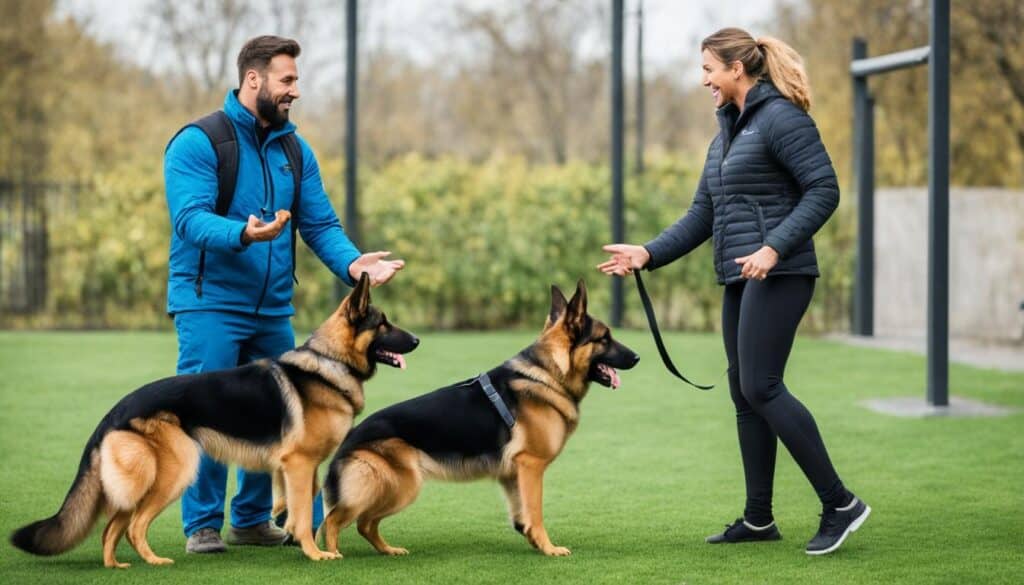
Addressing Territorial Marking
Some territorial dogs may engage in urine marking behavior to establish and protect their territory. This marking behavior can be frustrating for dog owners, but there are effective strategies to address and manage it.
The Role of Spaying/Neutering
Spaying or neutering your dog can help reduce marking behavior. This procedure can lower your dog’s hormone levels, which can decrease their desire to mark their territory with urine.
Immediate Cleanup
It’s vital to clean up marked areas promptly. Using an enzymatic cleaner can help eliminate the scent left behind by urine. This helps prevent your dog from remarking the same spot.
Preventing Access
Preventing your dog’s access to previously marked areas is key to curbing territorial marking. Close off or limit your dog’s access to these areas to discourage marking behavior.
Positive Reinforcement
“Positive reinforcement is an effective tool for addressing territorial marking.”
Using positive reinforcement techniques, such as praise, treats, and rewards, can help train your dog to exhibit appropriate behavior and discourage marking. When your dog successfully refrains from marking, provide immediate praise or a reward to reinforce the desired behavior.
Supervision and Management
Supervising your dog and providing proper management techniques can play a significant role in reducing marking behavior. Keep an eye on your dog’s behavior and intervene if you notice signs of marking. Redirect their attention to a more appropriate activity, such as playing with a toy or engaging in a training session.
No Punishment
Punishment should be avoided when addressing territorial marking. This can increase anxiety and potentially lead to more aggressive behaviors. Stick to positive reinforcement and redirection as your primary training approaches.
Consulting with a veterinarian can also be helpful in ruling out any underlying medical issues that may contribute to marking behavior. A thorough examination can ensure your dog’s health and well-being.
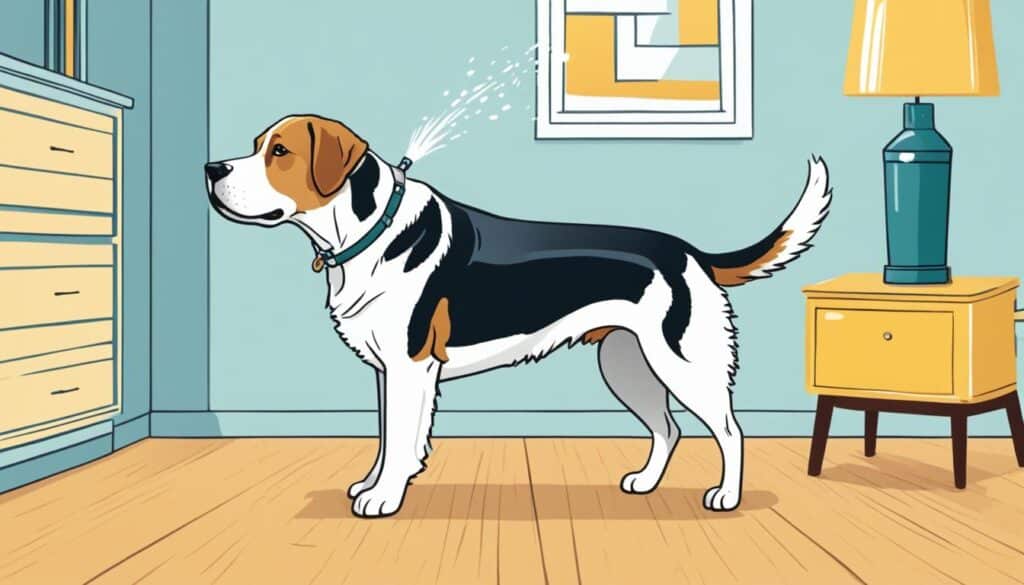
Summary
Addressing territorial marking requires a combination of strategies, including spaying/neutering, immediate cleanup, preventing access to marked areas, positive reinforcement, and supervision. By implementing these techniques and seeking professional guidance when needed, you can effectively manage and minimize territorial marking behavior in your dog.
Conclusion
Managing territorial behavior in dogs requires a multifaceted approach that includes professional training, socialization, and positive reinforcement. By implementing these strategies, owners can help reduce or control territorial aggression in their dogs.
Professional training plays a crucial role in teaching dogs obedience and helping them respond appropriately in different situations. Working with a certified trainer or behaviorist can provide valuable guidance and ensure that training methods are effective and safe for both the dog and the owner.
Socialization is another important aspect of managing territorial behavior. Exposing dogs to various environments, people, and other animals from a young age helps them become well-adjusted and less prone to aggressive territorial behavior. Positive experiences during socialization can shape a dog’s behavior and outlook on the world.
Positive reinforcement is a powerful tool in modifying territorial behavior. Rewarding calm behaviors and appropriate responses can help dogs associate positive outcomes with non-aggressive actions, ultimately reducing the likelihood of territorial aggression. Consistency and patience in applying positive reinforcement techniques are key to achieving long-term success.
Managing territorial behavior
In conclusion, territorial behavior management in dogs requires a holistic approach that combines professional training, socialization, and positive reinforcement. By implementing these strategies and seeking help from certified professionals when necessary, owners can help their dogs overcome territorial aggression and live harmoniously in their homes and communities.
FAQ
What causes territorial aggression in dogs?
Territorial aggression in dogs can be caused by factors such as lack of socialization, poor training, and traumatic experiences. Dogs may display territorial aggression when they feel their territory is being threatened.
How can I train my dog to be less territorial?
Training techniques such as obedience training, rewarding calm behaviors, and providing mental and physical exercise can help reduce territorial aggression in dogs. It is recommended to consult with a professional trainer or behaviorist for personalized guidance.
Can spaying or neutering help address territorial marking?
Yes, spaying or neutering can help reduce marking behavior in territorial dogs. It is also important to immediately clean up marked areas, prevent access to previously marked areas, and reinforce appropriate behavior through positive reinforcement.
How can I address severe cases of territorial aggression?
Severe cases of territorial aggression may require professional help from trainers or behaviorists. They can provide guidance, develop a customized training plan, and assist in managing this behavior effectively.
Are there any medical issues that can contribute to marking behavior?
Yes, underlying medical issues can contribute to marking behavior in dogs. It is advisable to consult with a veterinarian to rule out any medical conditions that may be causing or contributing to marking behavior.