A Comprehensive Guide For Dog Own
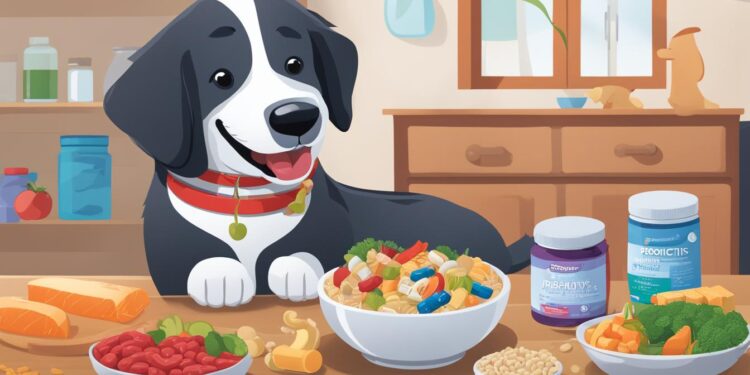
Dog Digestive Health: Improving a dog’s digestion is crucial for their overall health and well-being. A well-functioning digestive system ensures that essential nutrients are absorbed and waste is efficiently eliminated from the body. To support canine digestion and promote pet digestive health, it is important to implement best practices and make informed choices in terms of diet and lifestyle.
Before addressing dietary interventions, it is crucial to rule out any serious underlying causes of digestion troubles in dogs. Common causes include trauma, foreign objects, viral or bacterial infections, toxins, and digestive disorders. Once serious causes have been ruled out, dog owners can focus on selecting ingredients that aid digestion and avoiding those that can be harmful.
Choosing dog food ingredients that promote good digestion is key. Probiotics, which are beneficial bacteria, can restore the natural balance of bacteria in the gut, leading to better digestion and improved stool quality. Easy-to-digest proteins, such as fish, chicken, or turkey, can also be beneficial for dogs with sensitive digestion.
Avoiding ingredients that can be problematic for a dog’s digestion is equally important. Gluten, found in grains like barley and wheat, can be difficult to digest for some dogs. Dairy products containing lactose can also cause digestive issues. Artificial additives, colorings, and preservatives should be avoided as they can lead to unpredictable reactions.
Implementing quick tips can also aid in digestion. Gradually transitioning foods and feeding smaller meals throughout the day can help minimize digestive upset. It is essential to consult with a veterinarian before making any dietary changes, especially if a dog is experiencing ongoing digestive issues.
By following these best practices and making informed choices, dog owners can support their pet’s digestive health and ensure they enjoy optimal digestion and improved overall quality of life.
Pick Ingredients That Help Your Dog’s Digestion
When it comes to promoting a healthy digestion in dogs, not all ingredients are created equal. Selecting the right ingredients can make a significant difference in your dog’s digestive health. One key ingredient to consider is probiotics. Probiotics are beneficial bacteria that can restore the natural balance of bacteria in the gut, leading to better digestion and improved stool quality. Unfortunately, many commercial pet foods do not include probiotics in their formulations, so it’s important to look for a dog food that contains probiotics or consider adding a supplement to their diet.
In addition to probiotics, choosing easy-to-digest proteins can also help support your dog’s digestion. Fish, chicken, and turkey are examples of proteins that are easier for dogs to digest compared to other protein sources. These proteins are less taxing on the digestive system, making them a great choice for dogs with sensitive digestion.
Key Ingredients for Digestive Health:
- Probiotics: Promote a healthy balance of gut bacteria and improve digestion.
- Easy-to-digest proteins: Fish, chicken, and turkey are gentle on the digestive system.
By incorporating these ingredients into your dog’s diet, you can help support their digestive health and overall well-being.
| Ingredient | Benefits |
|---|---|
| Probiotics | Restore the natural balance of gut bacteria, improve digestion, and stool quality. |
| Easy-to-digest proteins | Gentle on the digestive system, suitable for dogs with sensitive digestion. |
Avoid Ingredients That Are Bad for Your Dog’s Digestion
When it comes to supporting your dog’s digestion, it’s equally important to know what ingredients to avoid. Certain ingredients can be detrimental to a dog’s digestion and should be excluded from their diet. Here are some key ingredients to steer clear of:
- Gluten: Grains like barley and wheat contain gluten, which can be difficult for some dogs to digest. Opt for gluten-free alternatives to promote better digestion.
- Dairy Products: Lactose, found in dairy products like milk and cheese, can cause digestive issues for many dogs. It’s best to avoid dairy altogether to prevent discomfort and digestive upset.
- Artificial Additives: Ingredients like artificial colorings, flavors, and preservatives can have adverse effects on a dog’s digestion. These additives may lead to unpredictable reactions or digestive disturbances.
By eliminating these potentially harmful ingredients from your dog’s diet, you can help support their digestive health. Opt for dog foods that are free from gluten, dairy, and artificial additives. This will ensure that your furry friend receives the nutrition they need without compromising their digestion.
“Certain ingredients can be problematic for a dog’s digestion and should be avoided.”
To present the information in a clear and visually engaging manner, refer to the table below to summarize the ingredients to avoid:
| Ingredient | Potential Effects |
|---|---|
| Gluten | Difficult to digest for some dogs |
| Dairy Products | Lactose intolerance and digestive issues |
| Artificial Additives | Possible adverse reactions and digestive disturbances |
By being mindful of the ingredients you choose for your dog’s diet and avoiding those that can negatively impact their digestion, you can help promote their overall digestive health and well-being.
Employ Quick Tips That Help Your Dog’s Digestion
When it comes to improving your dog’s digestion, implementing quick and simple tips can make a big difference. These tips can help prevent digestive upset and promote optimal digestion. Whether you’re changing your dog’s food or looking to optimize their feeding schedule, here are some quick tips to consider:
Transitioning Diets Gradually
Changing your dog’s food too quickly can lead to digestive issues such as diarrhea or vomiting. To prevent this, it’s important to transition to a new food gradually. Start by mixing a small amount of the new food with the old food, gradually increasing the ratio of the new food over the course of a week. This gradual approach allows your dog’s digestive system to adjust to the new food without causing any upset.
Feeding Smaller, Frequent Meals
Instead of feeding your dog one or two large meals a day, consider dividing their daily food intake into smaller, more frequent meals. This can help prevent overloading the digestive system and promote more efficient digestion. Feeding smaller meals throughout the day also helps maintain a steady blood sugar level and keeps energy levels stable.
Additionally, if your dog is experiencing ongoing digestive issues, it may be beneficial to eliminate specific ingredients from their diet. This could include common allergens such as chicken or grains. However, it’s essential to consult with a veterinarian before making any significant dietary changes to ensure the well-being of your dog.
By employing these quick tips, you can support your dog’s digestion and help them maintain optimal digestive health. Remember to introduce dietary changes gradually, feed smaller meals throughout the day, and seek professional guidance when necessary. With these small adjustments, you can help your furry friend enjoy a happy and healthy digestive system.
Pick the Best Food to Help Dog Digestion
When it comes to improving your dog’s digestion, selecting the right food is crucial. Choosing a dog food that is specifically formulated to support digestion can have a significant impact on your pet’s overall health and well-being. Here are some key factors to consider when picking the best food for your dog’s digestion.
Easy-to-Digest Protein Sources
One important aspect to consider is the protein source in the dog food. Opt for easy-to-digest proteins like fish, chicken, or turkey. These protein sources are less taxing on the digestive system, allowing for better absorption and utilization of nutrients.
Free from Artificial Additives
Avoiding artificial additives is another important consideration. Artificial colorings, ingredients, and preservatives can cause adverse reactions in some dogs and disrupt their digestive health. Look for dog foods that are free from these artificial additives to support a healthy digestive system.
Table: Comparison of Dog Foods for Digestion Support
| Brand | Protein Source | Artificial Additives |
|---|---|---|
| Brand A | Fish, Chicken | No |
| Brand B | Beef, Lamb | Yes |
| Brand C | Turkey, Duck | No |
Table: A comparison of dog foods for digestion support, with a focus on protein source and the presence of artificial additives.
Choosing the right food for your dog’s digestion can make a significant difference in their overall well-being. By considering easy-to-digest protein sources and avoiding artificial additives, you can help support a healthy digestive system for your furry friend.
What Is Included In The Dog Digestive System?
The digestive system of a dog is a complex network of organs and processes that work together to break down food, absorb nutrients, and eliminate waste. Understanding the components of a dog’s digestive system is crucial for promoting good digestive health. Here is a breakdown of the main organs and their functions:
Mouth:
The mouth is where the digestion process begins. Dogs use their teeth to chew and break down food into smaller pieces, increasing its surface area for better digestion. Saliva is produced in the mouth, which contains enzymes that start the breakdown of carbohydrates.
Esophagus:
The esophagus is a muscular tube that connects the mouth to the stomach. It transports food from the mouth to the stomach through rhythmic contractions called peristalsis.
Stomach:
The stomach is a highly acidic environment where further breakdown of food occurs. It secretes gastric juices, including enzymes and acids, that help break down proteins and kill bacteria present in the food. The stomach also stores food until it is ready to be further digested and passed into the intestines.
Intestines:
The intestines are divided into two parts: the small intestine and the large intestine. The small intestine is responsible for the absorption of nutrients from the food. It has specialized structures called villi that increase the surface area for maximum nutrient absorption. The large intestine, also known as the colon, is responsible for absorbing water and electrolytes from the remaining food matter and forming feces.
Pancreas, Liver, and Colon:
The pancreas, liver, and colon play vital roles in the digestion process. The pancreas produces enzymes that help break down carbohydrates, proteins, and fats. The liver produces bile, which aids in the digestion and absorption of fats. The colon is responsible for eliminating waste material from the body in the form of feces.
Table 6: Overview of Dog Digestive System
| Organ | Function |
|---|---|
| Mouth | Chewing food, beginning carbohydrate digestion |
| Esophagus | Transporting food from mouth to stomach |
| Stomach | Breaking down food with gastric juices |
| Small Intestine | Absorbing nutrients from food |
| Large Intestine (Colon) | Absorbing water and forming feces |
| Pancreas | Producing enzymes for digestion |
| Liver | Producing bile for fat digestion |
Understanding the dog digestive system can help dog owners make informed decisions about their pet’s diet and overall digestive health. By promoting good digestion, dog owners can ensure that their furry companions receive the nutrients they need for a healthy and happy life.
Dog Digestive Issues: What To Watch Out For
Recognizing the signs of digestive issues in dogs is important for maintaining their overall health. Dogs, like humans, can experience various digestive problems that may manifest in different ways. Here are some common symptoms of digestive issues to watch out for:
- Irregular bowel movements: Dogs may experience infrequent or absent bowel movements, which can be indicative of underlying digestive problems.
- Gas or bloating: Excessive gas or bloating may suggest that your dog’s digestion is not functioning properly.
- Discomfort: Visible signs of discomfort, such as restlessness or whining, may be a result of digestive issues.
- Vomiting: Frequent vomiting, especially after meals, is a clear indication of a problem in the digestive system.
- Changes in appetite: If your dog suddenly loses interest in food or exhibits irregular eating patterns, it may be a sign of digestive issues.
If you notice any of these symptoms, it is important to consult with a veterinarian for a proper diagnosis and treatment plan. Digestive issues can be caused by various factors, including dietary intolerances, infections, or underlying health conditions. Identifying the root cause is crucial for effective management and improvement of your dog’s digestive health.
Quote: “Monitoring your dog’s digestive health is essential for early detection of any issues and ensuring prompt veterinary care.” – Dr. Emily Johnson, DVM
| Symptom | Possible Causes |
|---|---|
| Irregular bowel movements | Dietary intolerances, dehydration, underlying health conditions |
| Gas or bloating | Poorly digested food, bacterial overgrowth, gastrointestinal disorders |
| Discomfort | Inflammation, obstruction, parasites, food allergies |
| Vomiting | Gastroenteritis, pancreatitis, foreign body ingestion |
| Changes in appetite | Gastrointestinal diseases, dental problems, stress |
Note: It is important to consult with a veterinarian for proper diagnosis and treatment of any digestive issues in your dog.
How To Support Your Dog’s Digestive System
Supporting a dog’s digestive system involves various strategies that can help maintain optimal digestive health. By making dietary changes, introducing food gradually, ensuring hydration, and implementing regular exercise, you can provide the necessary support for your dog’s digestive system.
Dietary Changes
One of the key ways to support your dog’s digestive health is through dietary changes. Ensuring that your dog is on a balanced diet with the right mix of proteins, carbohydrates, and fats is crucial. Opt for high-quality dog food that is specifically formulated to promote digestion. Look for foods that contain easy-to-digest protein sources, such as fish, chicken, or turkey. These protein sources are less taxing on the digestive system and can help prevent digestive discomfort.
Slow Food Introduction
Introducing new foods slowly is important to prevent digestive upset. When transitioning your dog to a new food or introducing new ingredients, do it gradually over the course of a week. Start by mixing a small amount of the new food with the old food and gradually increase the ratio of the new food. This slow introduction allows your dog’s digestive system to adjust and minimizes the risk of digestive issues.
Hydration and Regular Exercise
Adequate hydration is essential for maintaining a healthy digestive system. Make sure that your dog always has access to fresh water and encourage them to drink throughout the day. This helps keep the digestive system functioning properly and prevents constipation. Regular exercise is also important as it helps keep the digestive system active and promotes overall gut health. Take your dog for daily walks, engage in play sessions, and provide mental stimulation to keep their digestive system in top shape.
By following these strategies, you can effectively support your dog’s digestive system and promote overall digestive health. However, it is always important to consult with a veterinarian before making any significant dietary changes or implementing new strategies to ensure that they are appropriate for your dog’s specific needs and health condition.
| Dietary Changes | Slow Food Introduction | Hydration and Regular Exercise |
|---|---|---|
| Ensure balanced diet with the right mix of proteins, carbohydrates, and fats | Introduce new foods gradually over the course of a week | Provide access to fresh water at all times |
| Choose high-quality dog food specifically formulated for digestion | Mix small amount of new food with old food and gradually increase ratio | Encourage regular exercise to keep digestive system active |
| Opt for easy-to-digest protein sources like fish, chicken, or turkey | Prevent digestive upset and minimize the risk of digestive issues | Promote overall gut health and prevent constipation |
Monitoring and Treatment for Stalled Digestion and Intestinal Blockage
Timely monitoring and appropriate treatment are essential when it comes to managing stalled digestion and intestinal blockage in dogs. Recognizing the symptoms and understanding the diagnostic tests and treatment options available can help ensure the best possible outcome for your furry friend.
Monitoring Symptoms
Being attentive to changes in your dog’s behavior and bodily functions is crucial for early detection of digestive issues. Some common symptoms of stalled digestion and intestinal blockage include persistent vomiting, loss of appetite, abdominal pain, constipation, and changes in bowel movements. It is important to carefully observe your dog’s behavior and seek veterinary attention if any concerning symptoms arise.
Diagnostic Tests
Diagnostic tests play a vital role in determining the cause and severity of stalled digestion and intestinal blockage. Physical examinations, X-rays, and ultrasounds can help identify the location and nature of the problem. These tests provide valuable insights for veterinarians to make an accurate diagnosis and develop an appropriate treatment plan.
Treatment Options
The treatment for stalled digestion and intestinal blockage depends on the specific condition and its severity. Fluid therapy may be utilized to rehydrate the dog and restore electrolyte balance. Endoscopy, a minimally invasive procedure, may be performed to remove foreign objects or address any blockages. In more severe cases, surgical intervention may be necessary to resolve the issue and prevent further complications. Post-treatment care and monitoring are essential for a successful recovery.
| Treatment Options | Purpose |
|---|---|
| Fluid Therapy | Rehydration and restoration of electrolyte balance |
| Endoscopy | Removal of foreign objects and addressing blockages |
| Intestinal Blockage Surgery | Surgical intervention for severe cases |
It is important to consult with a veterinarian to determine the most appropriate course of action for your dog’s specific situation. Prompt detection and intervention can significantly improve the chances of successful treatment and recovery.
Nature and Causes of Stalled Digestion and Intestinal Blockage
Stalled digestion in dogs can be caused by various factors, including dietary issues, medication, infections, aging, foreign objects, swelling or inflammation, and twisting or intussusception of the intestines. Dietary issues, such as certain foods or changes in diet, can lead to slower digestion or constipation. Some medications may interfere with the digestive process, resulting in stalled digestion. Infections, including viral or bacterial infections, can disrupt the normal functioning of the digestive tract and cause digestive issues. Aging can also contribute to slower digestion and digestive troubles.
Foreign objects, such as toys, bones, or rocks, that are ingested by dogs can obstruct the digestive system and cause stalled digestion. Swelling or inflammation in the digestive tract can also impede the flow of food and lead to digestion problems. Twisting or intussusception, which occurs when a portion of the intestines folds inward onto itself, can cause a blockage and hinder the normal digestive process. Identifying the underlying cause of stalled digestion is crucial for providing appropriate treatment and ensuring a full recovery for the dog.
Causes Of Stalled Digestion
“Stalled digestion can result from various factors, including dietary issues, medication, infections, aging, foreign objects, swelling or inflammation, and twisting or intussusception of the intestines.”
Table: Causes of Stalled Digestion and Intestinal Blockage
| Cause | Description |
|---|---|
| Dietary Issues | Certain foods or changes in diet can lead to slower digestion or constipation. |
| Medication | Some medications may interfere with the digestive process, resulting in stalled digestion. |
| Infections | Viral or bacterial infections can disrupt the normal functioning of the digestive tract and cause digestive issues. |
| Aging | Aging can contribute to slower digestion and digestive troubles. |
| Foreign Objects | Ingested objects like toys, bones, or rocks can obstruct the digestive system. |
| Swelling or Inflammation | Swelling or inflammation in the digestive tract can impede the flow of food and lead to digestion problems. |
| Twisting or Intussusception | A portion of the intestines folding inward onto itself can cause a blockage and hinder the normal digestive process. |
Understanding the causes of stalled digestion and intestinal blockage is essential for implementing appropriate treatment and preventing further complications. It is recommended to consult with a veterinarian if a dog is experiencing persistent digestive issues or if there are concerns about their digestive health.
Best Practices for Good Digestive Health
Maintaining good digestive health in dogs requires a holistic approach that encompasses various practices. By incorporating these best practices into your dog’s daily routine, you can help promote optimal digestion and overall well-being.
1. Balanced Diet
A balanced diet is fundamental to good digestive health. Ensure that your dog’s meals contain the right mix of proteins, carbohydrates, and fats. High-quality proteins, such as lean meats, fish, and eggs, provide essential amino acids for muscle growth and repair. Carbohydrates from whole grains and vegetables supply energy and fiber for healthy digestion. Healthy fats from sources like fish oil and flaxseed oil contribute to a glossy coat and support immune function. Consult with your veterinarian to determine the appropriate diet for your dog’s specific needs.
2. Regular Exercise
Regular exercise plays a vital role in supporting digestive health. Physical activity stimulates the muscles of the gastrointestinal tract, enhancing peristalsis (the movement of food through the digestive system) and preventing constipation. Exercise also helps to maintain a healthy weight, reducing the risk of obesity-related digestive problems. Engage your dog in daily activities such as walks, playtime, and interactive toys to ensure they get the exercise they need.
3. Hydration
Adequate hydration is essential for optimal digestion. Water helps to break down food and transport nutrients throughout the body. Ensure that your dog has access to clean, fresh water at all times. Monitor their water intake and encourage them to drink more, especially during hot weather or after periods of exercise. If you have concerns about your dog’s hydration levels, consult with your veterinarian.
4. Routine Vet Checks
Regular veterinary check-ups are crucial for maintaining your dog’s digestive health. During these visits, your veterinarian can assess your dog’s overall well-being, conduct necessary tests, and identify any potential digestive issues early on. They can also provide guidance on dietary choices, recommend supplements if needed, and address any concerns you may have. A proactive approach to veterinary care is key to preventing and addressing digestive problems effectively.
5. Gut Health
Supporting a healthy gut microbiome is essential for optimal digestive health in dogs. Prebiotics and probiotics can help promote the growth of beneficial bacteria in the gut, improving digestion and nutrient absorption. Incorporate foods that naturally contain prebiotics, such as bananas, oats, and sweet potatoes, into your dog’s diet. You can also consider adding a high-quality probiotic supplement to their routine, but consult with your veterinarian first to determine the appropriate dosage.
Conclusion
Taking steps to improve your dog’s digestion is essential for their overall health and well-being. By selecting ingredients that promote good digestion, avoiding harmful ingredients, and implementing quick tips like gradual food transitions and smaller meals, you can support your pet’s digestive health. It is also important to monitor for any digestive issues and seek veterinary care if necessary. With proper care and attention to digestive health, your dog can enjoy optimal digestion and an improved quality of life.
Remember, a balanced diet with the right mix of proteins, carbohydrates, and fats is key to maintaining good digestive health. Regular exercise and adequate hydration also play a crucial role. Routine vet checks ensure early detection of any issues and allow for timely intervention. Additionally, focusing on gut health by incorporating prebiotics and probiotics can significantly support digestive wellness.
So, whether you’re looking to aid your dog’s digestion, improve their canine digestion, or support their overall pet digestive health, following these best practices will help you achieve your goals. By prioritizing your dog’s digestive health, you can ensure they lead a happy and comfortable life.
FAQ
What can I do to improve my dog’s digestion?
You can improve your dog’s digestion by making dietary and lifestyle changes. It’s important to address any serious underlying causes before considering dietary interventions.
What are some common causes of poor digestion in dogs?
Some common causes of poor digestion in dogs include trauma, foreign objects, viral or bacterial infections, toxins, and digestive disorders.
What ingredients can promote good digestion in dogs?
Probiotics and easy-to-digest proteins can promote good digestion in dogs. Probiotics are beneficial bacteria that restore the natural balance in the gut, while easy-to-digest proteins like fish, chicken, and turkey are less taxing on the digestive system.
What ingredients should I avoid for my dog’s digestion?
You should avoid ingredients like gluten, dairy products, and artificial additives, as they can be harmful to your dog’s digestion.
How should I transition my dog to a new food?
It’s important to transition your dog to a new food gradually by mixing it with the old food and gradually increasing the ratio of the new food over the course of a week.
What should I look for in a dog food to support digestion?
Look for a dog food that contains easy-to-digest protein sources like fish, chicken, or turkey, and is free from artificial additives. Adding a dog food with probiotics can also enhance digestion and overall gut health.
What are the components of a dog’s digestive system?
The components of a dog’s digestive system include the mouth, esophagus, stomach, intestines, pancreas, liver, and colon.
What are some signs of digestive issues in dogs?
Some signs of digestive issues in dogs include irregular bowel movements, excessive gas or bloating, visible discomfort, frequent vomiting, and changes in appetite.
How can I support my dog’s digestive system?
You can support your dog’s digestive system by feeding a balanced diet, ensuring adequate hydration, regular exercise, and routine vet check-ups.
How are stalled digestion and intestinal blockage treated?
Treatment for stalled digestion and intestinal blockage may involve fluid therapy, endoscopy, or surgery depending on the severity and underlying cause. Post-treatment care and monitoring are essential for a full recovery.
What causes stalled digestion and intestinal blockage in dogs?
Stalled digestion can be caused by dietary issues, medication, infections, or aging. Intestinal blockage is often caused by foreign objects, swelling or inflammation, or twisting of the intestines.
What are some best practices for good digestive health in dogs?
Some best practices for good digestive health in dogs include feeding a balanced diet, regular exercise, hydration, routine vet checks, and promoting gut health with prebiotics and probiotics.