Unleashing Herding Instincts
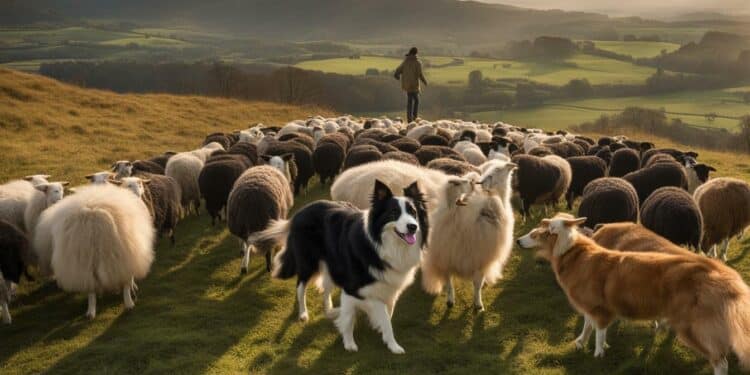
Herding Instincts In Dogs: If you have a dog with a strong herding instinct, you can tap into their innate abilities and explore the world of herding through training and breed-specific techniques. Herding dogs have great potential in dog sports, particularly in herding competitions. Drummond Ranch in Southern California offers sheep herding classes and training facilities for dogs that want to unleash their herding instincts.
The ranch has received positive reviews from dog owners who have enjoyed their time there. Canine herding training involves learning about livestock and herding techniques. Positive reinforcement training methods are recommended, although some trainers believe corrections are necessary to teach dogs what is not acceptable.
To learn about herding, it helps to find mentors, colleagues, and books like “Positive Herding 101: Dog Friendly Training” by Barbara Buchmayer. Power dogs, which were bred for hunting and protection, need proactive management and reward-based training to make good decisions. “Power Dogs” by Dawn Antoniak-Mitchell is a useful resource for owning and training these strong breeds.
The Power of Canine Herding Instincts
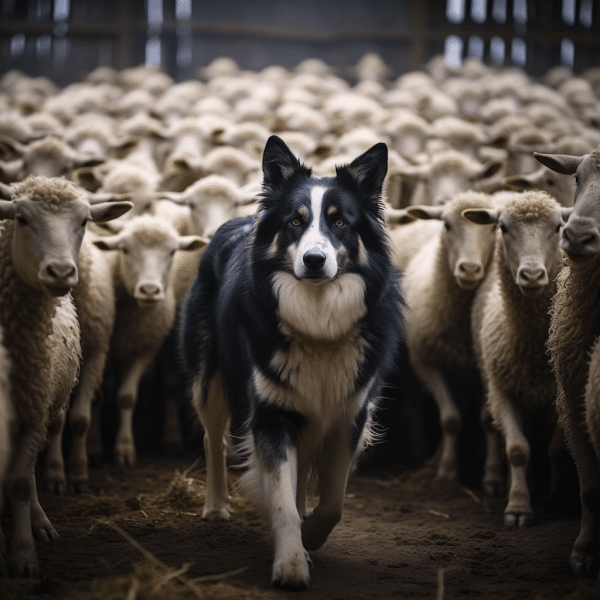
Some breeds of dogs are naturally good at herding and competing in dog sports due to their strong herding instincts. These instincts are deeply rooted in certain breeds like Border Collies, Australian Shepherds, and German Shepherds. Herding dogs are skilled at controlling and moving livestock with great precision. They have a sharp sense of observation, agility, and intelligence which helps them anticipate and react to the movements of the animals they are herding. They use a range of behaviors like stalking, nipping, and circling to gather and direct the flock or herd.
Dogs need proper training to become good herders. Trainers recommend using positive reinforcement to help dogs learn the right behaviors. This means giving rewards and praise for good behavior. Positive reinforcement can also help build a strong relationship between the dog and the handler. Some trainers prefer to use a mix of positive reinforcement and corrective methods to train dogs. However, it’s important to use corrections carefully and with expert guidance to avoid hurting or confusing the dog.
| Positive Reinforcement Training | Corrective Methods in Herding Training |
|---|---|
|
|
Breeds with Strong Herding Instincts
Certain dog breeds possess innate herding instincts that make them excel in working with livestock and participating in herding competitions. These breeds have been selectively bred over generations to develop the skills necessary for herding and have a natural inclination towards this type of work. Here are some dog breeds known for their strong herding instincts:
| Breed | Origin | Characteristics |
|---|---|---|
| Border Collie | United Kingdom | An intelligent and highly trainable breed, known for their exceptional herding skills, agility, and intense focus. |
| Australian Shepherd | United States | Active and versatile, Australian Shepherds possess a strong herding instinct and excel in various dog sports. |
| German Shepherd | Germany | Renowned for their loyalty and versatility, German Shepherds have a natural ability to herd and are often utilized in police and military work as well. |
These breeds are just a few examples of the many dogs with strong herding instincts. It’s important to note that while certain breeds may have a predisposition towards herding, individual dogs within these breeds may vary in their aptitude and drive for herding. Proper training, socialization, and nurturing their natural instincts are crucial for harnessing their abilities effectively.
When considering adding a herding breed to your family, it’s essential to understand the specific needs associated with their herding instincts. These dogs thrive in an environment where they have a job to do, such as participating in herding sports, engaging in obedience training, or even helping with farm work. Providing mental stimulation, regular exercise, and opportunities to utilize their instincts will contribute to a happy and well-rounded herding dog.
The Importance of Training and Socialization
Training and socialization play a vital role in shaping a herding dog’s behavior. By establishing clear boundaries, teaching them fundamental obedience commands, and exposing them to various environments, you can help them develop into well-rounded dogs that channel their instincts appropriately. Professional herding training classes, such as those offered at Drummond Ranch in Southern California, can provide the necessary guidance and support to help your dog reach their full potential.
Understanding Canine Herding Behavior
Understanding canine herding behavior is essential in effectively channeling a dog’s innate herding instincts. Herding dogs display a range of behaviors that are deeply ingrained in their genetic makeup. These behaviors include stalking, nipping, and circling, which are all driven by their natural instinct to control and move livestock. By recognizing and comprehending these behaviors, you can cultivate a productive and harmonious working relationship with your herding dog.
In herding, dogs use their intense focus and quick reflexes to manipulate the movement of animals. They exhibit a strong prey drive and a keen ability to anticipate the movements of their charges. This instinctual behavior is most commonly seen in breeds such as Border Collies, Australian Shepherds, and German Shepherds, which are renowned for their herding ability.
To effectively train a herding dog, it is important to provide structured learning experiences that simulate real-life herding situations. This can be done through training classes and facilities like Drummond Ranch in Southern California, where experienced trainers guide dogs and their owners in honing their herding skills. Positive reinforcement training methods, such as using rewards and praise, have proven to be effective in shaping and reinforcing desired herding behaviors.
“Herding dogs exhibit a strong prey drive and a keen ability to anticipate the movements of livestock.”
While positive reinforcement is widely advocated, some trainers believe that corrective methods can be useful in teaching dogs what behaviors are not acceptable. It is important to strike a balance between setting boundaries and allowing the dog to express its natural instincts. Seeking guidance from experienced mentors and colleagues who have expertise in herding training can provide additional insights and knowledge to enhance your training journey.
Table 1: Herding Dog Breeds
| Breed | Characteristics |
|---|---|
| Border Collie | Highly intelligent, responsive, and agile. |
| Australian Shepherd | Energetic, versatile, and adaptable. |
| German Shepherd | Confident, loyal, and protective. |
When working with power dogs, which include breeds originally bred for hunting and protection, proactive management techniques and reward-based training are essential. Power dogs, such as Rottweilers and Doberman Pinschers, require consistent leadership and clear boundaries to ensure they make the right decisions based on their herding instincts. The book “Power Dogs” by Dawn Antoniak-Mitchell offers valuable information and insights into successfully owning and training these strong and tenacious breeds.
By understanding and appreciating the innate herding instincts in dogs, along with employing appropriate training techniques, you can unlock the full potential of your canine companion. Whether participating in herding competitions, utilizing herding skills in working dogs, or simply enjoying the unique traits of mixed breed herding dogs, embracing their herding instincts can lead to a rewarding and fulfilling partnership.
Canine Herding Training Classes and Facilities
Training classes and dedicated facilities provide an ideal environment for dogs to learn and explore their herding instincts under expert guidance. One such facility is Drummond Ranch in Southern California, which offers specialized sheep herding classes and training programs. Dog owners who have attended these classes have praised the ranch for its positive and supportive atmosphere.
Canine herding training goes beyond basic obedience and requires a deep understanding of livestock and herding techniques. Positive reinforcement training methods are widely recommended as they help dogs associate herding behaviors with rewards, making the learning process enjoyable and effective.
If you are interested in exploring the world of herding sports with your dog, it is important to find mentors and colleagues who have expertise in herding training. Connecting with experienced individuals allows you to learn from their valuable insights and gain practical knowledge. Additionally, reading informative books like “Positive Herding 101: Dog Friendly Training” by Barbara Buchmayer can provide you with a wealth of information on positive herding training techniques and tips.
| Benefits of Canine Herding Training Classes and Facilities: |
|---|
| Opportunity to learn under expert guidance |
| Positive and supportive learning environment |
| Development of essential herding skills |
| Networking with like-minded individuals |
When training power dogs, which include breeds originally bred for hunting and protection, proactive management techniques and reward-based training are crucial. These breeds possess natural instincts that can be channeled effectively through positive reinforcement. “Power Dogs” by Dawn Antoniak-Mitchell is a highly recommended resource that provides valuable insights into effectively owning and training strong and tenacious breeds.
Positive Reinforcement Training for Herding Dogs
Positive reinforcement training is highly recommended when working with herding dogs, as it helps build a strong bond and encourages desired herding behaviors. This method focuses on rewarding the dog for exhibiting the desired behavior, such as maintaining the correct distance from the livestock or responding to commands promptly. Rewards can include treats, praise, or playtime, reinforcing the dog’s understanding that their actions are valued and rewarded.
One effective training technique is clicker training, which uses a clicker as a marker for when the dog performs the desired behavior. The clicker is paired with a reward, such as a treat, creating a positive association and reinforcing the behavior. This method allows for precise timing in marking the correct behavior and can be particularly useful in shaping complex herding behaviors.
When training herding dogs, it is important to set clear expectations and establish consistent training routines. Dogs thrive on routine and structure, so regular training sessions will help them understand what is expected of them. Break down complex herding behaviors into smaller, achievable steps, rewarding the dog’s progress along the way. This gradual approach allows the dog to build confidence and develop the necessary skills at their own pace.
Training Tips for Herding Dogs
| Training Tips for Herding Dogs |
|---|
| 1. Be patient: Herding dogs may require more time to master herding behaviors, so patience is key. Avoid becoming frustrated or resorting to punishment, as this can hinder their progress. |
| 2. Socialize: Expose your herding dog to different environments, people, and animals from an early age. This will help them become well-rounded and adaptable, making training easier. |
| 3. Use positive language: Herding dogs respond well to positive reinforcement, so use a cheerful and encouraging tone of voice during training sessions. This will create a positive association with the training process. |
| 4. Practice impulse control: Herding dogs have a strong prey drive, so teaching them impulse control is crucial. Work on exercises that teach them to focus and wait for commands before taking action. |
| 5. Seek professional guidance: If you’re new to herding dog training or encounter challenges along the way, consider seeking guidance from a professional trainer experienced in working with herding breeds. |
Quote:
“Positive reinforcement training creates a positive learning experience for herding dogs, strengthening their bond with their handlers and enabling them to reach their full potential as skilled herders.” – Barbara Buchmayer, author of “Positive Herding 101: Dog Friendly Training”
Corrective Methods in Herding Training
Despite the popularity of positive reinforcement, some trainers use corrective training to teach dogs bad conduct during herding sessions. These methods help teach the dog good behavior and limit bad ones. Corrective methods can encourage the dog’s herding tendency and maintain control in high-stress situations.
You softly but forcefully pull on the leash to refocus the dog’s attention and discourage bad behavior. This strategy stops the dog’s behavior and gives quick feedback to train it to herd better. Leash corrections should be used sparingly to avoid hurting or worrying dogs.
Use a firm “no” or “ah-ah,” to tell the dog its behavior is inappropriate. The trainer and dog must communicate regularly for this strategy to function. Firm but not excessive verbal signals will assist your dog learn proper herding.
“Corrective methods, when used correctly and in moderation, can play a valuable role in teaching herding dogs what is and is not acceptable during training sessions. It is important to balance corrective techniques with positive reinforcement to maintain a fair and effective training approach.” – Experienced Herding Trainer
It is worth noting that while corrective methods can be valuable tools in herding training, they should always be used in conjunction with positive reinforcement techniques. This means that when the dog displays the desired herding behavior, such as a controlled approach or appropriate pressure on the livestock, they should be promptly rewarded with praise, treats, or play. Combining corrective methods with positive reinforcement helps to build a strong bond of trust between the trainer and the dog, resulting in a well-rounded and reliable herding companion.
Table: Comparison of Corrective Methods
| Corrective Method | Description | Effectiveness |
|---|---|---|
| Leash Correction | A quick tug on the leash to redirect the dog’s attention. | Effective in interrupting and redirecting unwanted behaviors. |
| Verbal Cues | Firm verbal cues, such as “no” or “ah-ah,” to communicate undesirable behaviors. | Effective in enforcing boundaries and reinforcing expectations. |
Learning from Mentors and Colleagues
Learning from experienced mentors and building relationships with like-minded colleagues can greatly enhance your understanding of herding instincts and training techniques. Their expertise and guidance can provide valuable insights and help you navigate the intricacies of working with herding dogs.
One of the best ways to learn from mentors is by observing them in action. By spending time with experienced trainers, you can witness their techniques and gain a deeper understanding of how to effectively communicate with herding dogs. Additionally, mentors can offer personalized advice and address any challenges or concerns you may have.
Building relationships with colleagues who share your passion for herding can also be invaluable. Through networking and collaboration, you can exchange ideas, share experiences, and learn from one another’s successes and failures. This community of like-minded individuals can provide support and encouragement throughout your herding journey.
Table: Recommended Books on Herding Training
| Title | Author |
|---|---|
| “Positive Herding 101: Dog Friendly Training” | Barbara Buchmayer |
| “Power Dogs” | Dawn Antoniak-Mitchell |
Additionally, books such as “Positive Herding 101: Dog Friendly Training” by Barbara Buchmayer and “Power Dogs” by Dawn Antoniak-Mitchell can provide valuable insights into positive training techniques for herding dogs. These resources can serve as comprehensive guides, offering step-by-step instructions, training tips, and practical exercises to help you develop and enhance your herding skills.
By actively seeking out mentors and colleagues and utilizing reputable resources, you can expand your knowledge and ultimately become a more skilled and confident handler. Remember, the journey of learning is ongoing, and with dedication and a passion for herding, you can continue to refine your abilities and strengthen your bond with your herding dog.
Recommended Resources on Positive Herding Training
Educate yourself on positive herding training methods with recommended resources like “Positive Herding 101: Dog Friendly Training” by Barbara Buchmayer. This comprehensive book offers valuable insights into positive reinforcement training techniques specifically tailored for herding dogs. With step-by-step instructions and practical tips, it helps owners harness their dog’s herding instincts in a friendly and effective way.
In addition to “Positive Herding 101,” other recommended resources include “The Art of Herding: How to Train a Herding Dog” by John Dolan and “Herding Dogs: Selecting and Training the Herding Dog for the Farm and Ranch” by Lee Burnie. These books provide in-depth knowledge about different herding techniques, dog behavior, and the importance of positive reinforcement training. They serve as comprehensive guides for both beginners and experienced handlers.
The Importance of Dog-Friendly Training
“Positive Herding 101: Dog Friendly Training” emphasizes the significance of dog-friendly training methods, focusing on building a strong bond between the owner and the dog. It promotes rewards, praise, and gentle guidance to reinforce desired behaviors, fostering a harmonious training experience for both the handler and the dog. The book encourages patience, consistency, and understanding, recognizing that each dog has its unique learning style and needs.
Remember, when exploring the realm of herding training, it is crucial to choose resources that prioritize positive reinforcement techniques and promote dog-friendly training methods. These resources will not only help you understand your dog’s herding instincts but also equip you with the necessary tools to develop a strong foundation of trust and cooperation with your canine companion.
| Book | Author |
|---|---|
| “Positive Herding 101: Dog Friendly Training” | Barbara Buchmayer |
| “The Art of Herding: How to Train a Herding Dog” | John Dolan |
| “Herding Dogs: Selecting and Training the Herding Dog for the Farm and Ranch” | Lee Burnie |
Power Dogs: Managing Strong and Tenacious Breeds
Power dogs need proactive management and reinforcement-based training to make good decisions. With training, these dogs may utilize their hunting and defense instincts. Maintaining control with power dogs demands clear boundaries and direction. Lead training, boundary training, and socializing can prevent bad manners and teach good ones. Clicker training and other positive reinforcement are great for shaping good behavior and strengthening dog-owner bonds.
Power dogs need mental and physical stimulation. Daily exercise, play, and brain activities can help satisfy their needs. This can reduce destructive behavior from boredom or frustration. Proactive management and reward-based training can also help.
The Importance of Structured Training
Power dogs need structured obedience, impulse control, and basic command training. These breeds thrive on routines and clear expectations. Agility courses and advanced obedience exercises can stimulate power dogs mentally and physically by testing their herding instincts.
Power dog owners can maximize their breeds’ potential by understanding and embracing their natural abilities and training them. Proactive management, reward-based training, and structured training can make power dogs happy and well-behaved.
| Proactive Management Techniques: | Reward-based Training Methods: | Mental and Physical Stimulation: |
|---|---|---|
|
|
|
“Power dogs possess immense potential, and with the right training and guidance, they can become well-rounded and obedient companions.” – Dog training expert
Valuable Insights from “Power Dogs” by Dawn Antoniak-Mitchell
“Power Dogs” by Dawn Antoniak-Mitchell is a book that can help you learn about owning and training strong dog breeds. It offers practical advice and tips to effectively manage and train your dog.
“Power Dogs” stresses the need for proactive management and reward-based training for strong breeds originally bred for hunting and protection. Owners need to have a firm but positive approach to ensure their dogs behave properly in different situations. The book provides detailed guidance on socialization, obedience training, and exercise to help owners channel their dogs’ energy into productive activities. Antoniak-Mitchell’s expertise is evident in the practical solutions and strategies she offers for specific challenges that arise with these breeds.
Table: Top 3 Power Dog Breeds
| Breed | Characteristics |
|---|---|
| German Shepherd | Intelligent, loyal, protective |
| Rottweiler | Fearless, confident, adaptable |
| Doberman Pinscher | Vigilant, energetic, trainable |
“Power Dogs” is a helpful book for both new and experienced dog owners. It provides insights into training and owning strong dogs. The author, Antoniak-Mitchell, offers practical advice to build a strong bond with your dog and manage their instincts and behaviors. With the guidance found in “Power Dogs,” you can unlock your dog’s full potential and enjoy a rewarding journey of training and companionship.
Exploring the World of Herding Competitions
Herding competitions show off dogs’ herding instincts and let them compete. These events display the abilities of herding breeds and show how training can improve their skills. Any herding breed can participate and it’s a rewarding experience for both the owner and their dog.
Herding competitions test dogs on various skills and tasks. Dogs must move livestock through courses and display control and precision. Different dogs use unique techniques to complete tasks, demonstrating intelligence and adaptability.
Participating in herding competitions allows owners to learn alongside their dogs. Observing skilled trainers and handlers can provide valuable insights into training techniques, handling strategies, and communication with dogs. The competitions may also lead to connections with like-minded individuals who share a passion for herding and offer guidance and support.
| Benefits | Description |
|---|---|
| Enhances bonding | Working together in a challenging environment strengthens the bond between dog and owner. |
| Builds confidence | Overcoming obstacles and successfully completing tasks boosts a dog’s confidence and self-esteem. |
| Keeps dogs mentally stimulated | Engaging in herding competitions provides mental stimulation and prevents boredom. |
| Develops obedience skills | Participating in competitions reinforces obedience commands and encourages controlled behavior. |
Herding competitions are for all dogs, not just purebreds. Mixed breed dogs can do well too. Owners of mixed breed herding dogs should understand their dog’s inherited traits to train them effectively. You can explore herding competitions with any herding dog and celebrate your bond and your dog’s special abilities.
Applying Herding Techniques and Training to Working Dogs
Herding instincts help search and rescue, law enforcement, and farming dogs. This feature is naturally present in some dog breeds and can be cultivated to improve task performance.
Working dogs like German Shepherds and Border Collies naturally herd. They are easily trained in this area and excel in other tasks requiring discipline, focus, and agility. These dogs are perfect for SAR since they can navigate and find missing persons. Police benefit from herding training. Herding dogs’ accuracy and movement control are useful for tracking, crowd control, and apprehension. Due to their spatial awareness, they work well with law enforcement handlers.
| Fields | Working Dogs | Applicable Techniques |
|---|---|---|
| Search and Rescue | German Shepherds, Border Collies | Navigation, locating individuals |
| Police Work | German Shepherds, Belgian Malinois | Tracking, crowd control, apprehension |
| Agricultural Operations | Australian Cattle Dogs, Welsh Corgis | Livestock herding, predator control |
“Working dogs possess remarkable abilities that can be further developed through strategic herding training. By tapping into their natural instincts, handlers can harness their power and focus, resulting in highly effective working partnerships.” – John Anderson, Professional K9 Trainer
Herding dogs are great at managing livestock in farming. Breeds such as Australian Cattle Dogs and Welsh Corgis have a strong herding drive that can help with efficiency and managing large herds. They are agile, intelligent, and can work well in challenging terrain, making them useful for livestock farming and predator control.
To get the most out of working dogs, handlers need to recognize and utilize their herding instincts. Proper training, guidance, and understanding of breed traits are necessary for success in these working environments.
Herding Instincts in Mixed Breed Dogs
Mixed-breed dogs can herd. Understanding and understanding this is key. When “herding” is mentioned, purebred dogs come to mind. These traits are not confined to purebred canines. Mixed breed herding dogs have many traits and behaviors. They make intriguing, adaptive friends because of this. They can achieve hybrid vigor for health and performance. Mixed-breed dogs may have an advantage in herding events in the job.
Remember that each mixed-breed herding dog has its own idiosyncrasies and characteristics. Some have strong herding instincts, while others are more relaxed. Understanding their herding styles and temperaments will help you teach them.
| Key Points: |
|---|
| Mixed breed dogs can exhibit herding instincts. |
| Combining different breeds can result in a diverse range of herding behaviors and traits. |
| Mixed breed herding dogs can bring a unique blend of instincts and skills to herding competitions and working environments. |
| Understanding each mixed breed dog’s individual characteristics is crucial for effective training. |
Mixed breed dogs can possess herding instincts that make them capable herders. Their genetic diversity and unique combinations of traits can make them valuable assets in various herding endeavors. By understanding and appreciating their individual abilities, we can nurture and harness their herding instincts to unlock their full potential.
Conclusion
Training dogs to herd can be a fun adventure for both the dog and owner. Drummond Ranch in Southern California is a great place to train your dog. They use positive reinforcement and experienced mentors to help your dog develop their herding skills.
To effectively control herding dogs, it’s essential to understand their natural behavior. Recognizing and appreciating their stalking, nipping, and circling instincts can lead to better collaboration between owners and their dogs. Participation in herding competitions is also an excellent way to showcase these skills and connect with like-minded individuals.
Strong and tenacious dog breeds need proactive management and reward-based training. Power dogs, originally bred for hunting and protection, require special attention to use their physical and mental abilities positively. “Power Dogs” by Dawn Antoniak-Mitchell is a useful resource for managing and training these breeds. Owners can nurture their dog’s herding instincts by participating in competitions or using herding techniques in work settings. Herding activities can also be a way to bond with your dog. Embrace your dog’s herding instincts and enjoy a fulfilling journey with your companion.
FAQ
Q: What are herding competitions?
A: Herding competitions are events where dogs showcase their herding skills by working with livestock, such as sheep or cattle, to demonstrate their ability to control and move the animals in a specific manner.
Q: What breeds are known for their strong herding instincts?
A: Some breeds known for their strong herding instincts include Border Collies, Australian Shepherds, German Shepherds, Shetland Sheepdogs, and Corgis.
Q: Do all dogs have herding instincts?
A: Many dog breeds have some herding instinct, but not all have a strong one. More herding dogs have it than other breeds.
Q: What is positive reinforcement training?
A: Positive reinforcement training is a method that focuses on rewarding desired behaviors with treats, praise, or other positive stimuli. It encourages dogs to repeat those behaviors in the future.
Q: Are corrections necessary in herding training?
A: While some trainers believe that corrections are necessary to teach dogs what is not acceptable, many experts recommend using positive reinforcement training methods to shape and reinforce desired herding behaviors.
Q: What can I learn from mentors and colleagues in herding training?
A: Mentors and colleagues who have experience in herding training can provide valuable guidance, share their knowledge and techniques, and offer support and advice as you work on developing your dog’s herding skills.
Q: Are there any recommended books on positive herding training?
A: Yes, “Positive Herding 101: Dog Friendly Training” by Barbara Buchmayer is a recommended book that provides valuable insights and techniques for positive herding training.
Q: How should power dogs be trained?
A: Power dogs, which include breeds originally bred for hunting and protection, require proactive management techniques and reward-based training to ensure they make the right decisions and use their strength appropriately.
Q: What can I learn from “Power Dogs” by Dawn Antoniak-Mitchell?
A: “Power Dogs” by Dawn Antoniak-Mitchell is a valuable resource that provides information on successfully owning and training strong and tenacious breeds with herding instincts. It offers insights into managing and training these breeds effectively.
Q: Can mixed breed dogs have herding instincts?
A: Yes, mixed breed dogs can exhibit herding instincts, as these instincts can be present in various combinations of breeds. It’s important to recognize and understand the unique traits and potential herding behavior of mixed breed herding dogs.