Tip-Toe Grooming: Trimming Paw Hair for a Neat Look
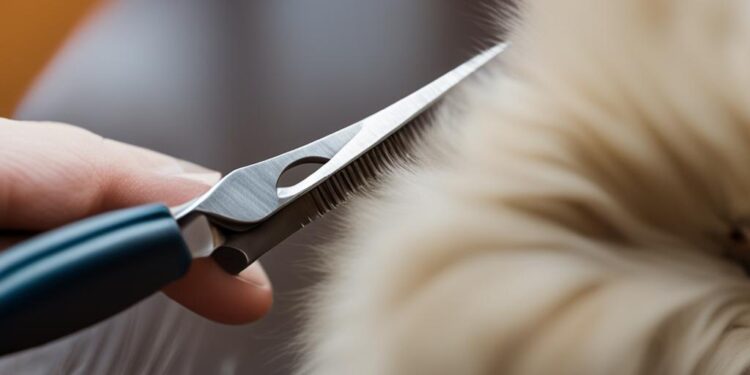
Grooming your pet is an important part of their overall health and appearance. As a pet owner, you know how crucial it is to keep up with their regular grooming routine. However, some areas may get overlooked, such as your pet’s paw hair. Paw hair trimming is an essential aspect of grooming that often goes unnoticed but makes a world of difference when it comes to the neat appearance of your furry friend’s paws.
In this section, we will explore grooming tips for trimming paw hair. Tidy paws not only make for an attractive appearance but also keep your pet comfortable and prevent potential hygiene issues. You’ll discover everything you need to know to maintain your pet’s paw pads and foot hair.
Understanding the Importance of Paw Pad Care
While paw hair trimming may be the first step toward a polished appearance, paw pad care is equally essential for your pet’s overall comfort and well-being. Neglecting paw pad care can lead to painful cracks, chafing, and infections. By regularly inspecting and cleaning your pet’s paw pads, you can ensure that they are comfortable and healthy.
Trimming paw hair can also contribute to preventing matting, dirt accumulation, and potential infections. Overgrown hair can easily accumulate debris, bacteria, and parasites. Regular trimming can keep paw hair at a manageable length, preventing these problems.
Tip: Use a damp cloth to clean your pet’s paws after walks, trimming their claws, or applying moisturizer. Avoid using alcohol wipes, as they can cause dryness and irritation.
The Right Tools for the Job
Trimming paw hair can be challenging without the right tools. There are several grooming tools available on the market to help you perform this task smoothly. However, every tool has its pros and cons. Below, we have listed some of the most popular tools for trimming paw hair.
| Tool | Pros | Cons |
|---|---|---|
| Scissors |
|
|
| Electric clippers |
|
|
| Grinder |
|
|
Choosing the right tool will depend on the size, breed, and personality of your pet and your personal preferences. It is essential to take your pet’s safety and comfort into consideration while deciding on which tool to use for trimming their paw hair.
Preparing Your Pet for Paw Hair Trimming
Trimming your pet’s paw hair can be a daunting task, especially if they’re not accustomed to it. However, with the right approach, you can make the experience stress-free and positive for your furry friend. Here are some useful techniques to prepare your pet for paw hair trimming:
- Introduce the process gradually. Before jumping into trimming paw hair, get your pet comfortable with having their paws touched. Start by gently massaging their paws and nails, offering treats as rewards. Gradually work your way up to touching their paw hair and using the grooming tools.
- Establish a positive grooming routine. Associate paw hair trimming with something positive, such as treats, playtime, or cuddles. Create a pleasant, calm environment, and avoid grooming when your pet is anxious or energetic.
- Choose the right time. Plan the trimming session when your pet is well-rested and relaxed. Avoid trimming after a meal or when your pet needs to go outside.
- Use treats and positive reinforcement. Encourage your pet to sit still and cooperate during the trimming process by offering treats. Start with shorter sessions and gradually increase the time as your pet becomes more comfortable.
Implementing these techniques can help prepare your pet for paw hair trimming and make the experience more enjoyable. Remember to stay patient, calm, and gentle throughout the process.
Trimming Techniques for Paw Hair
Trimming your pet’s paw hair is an essential grooming task that can make the difference between neatly kept paws and unkempt ones. With the right techniques, you can achieve a clean and polished look for your furry friend’s feet. Here are the steps to follow:
- Prepare your pet: Before you start trimming the paw hair, choose a place where your pet feels comfortable and relaxed. Talk to your pet to soothe them, and give them a treat to reward good behavior.
- Trim the hair between the paw pads: Using pet grooming scissors, carefully trim the hair between the paw pads, making sure to avoid cutting the pads themselves. This step is crucial as it can prevent dirt and debris from accumulating and causing infections. Use your fingers to separate the paw pads, so you have a clear view of the hair you’re clipping.
- Cut the hair around the toes: Use scissors to trim the hair around each toe, creating a rounded shape. Be sure to cut only a small amount at a time, avoiding the quick (the pink tissue that runs through your pet’s nails). This step helps prevent the fur from matting and tangling, which can be painful for your pet.
- Shape the foot hair: Trim the hair on the top and sides of the feet with scissors, or use an electric trimmer for precision. Make sure to maintain a balanced length and avoid cutting too close to the skin. This step is optional but can enhance your pet’s overall appearance and keep their paws tidy and well-groomed.
Following these trimming techniques can help you achieve a polished and neat finish for your pet’s paws. Remember to stay patient and gentle during the process to ensure a positive experience for both you and your furry friend.
Safety Measures to Follow
Grooming your pet’s paws requires precision and care. Trimming paw hair is an important part of the grooming process, but it’s essential to take the necessary safety precautions to prevent accidents or injuries. Follow these safety measures to ensure a safe and stress-free grooming experience:
Use the Right Tools
Before trimming paw hair, ensure that you have the appropriate grooming tools for the job. Scissors, clippers or electric trimmers with adjustable blades are great options. However, blunt or dull equipment can hurt your furry friend. Avoid using tools that might cause discomfort or pull at the fur. Don’t forget to keep a styptic powder on hand to stop bleeding if necessary.
Secure Your Pet
The safety of your pet comes first. Ensure that they are calm and relaxed during the grooming process. If your pet gets anxious or tries to resist, it’s important to stop and soothe them before continuing. Consider offering treats or toys as a distraction, or take breaks if necessary.
Be Careful with Blade Length
When using electric trimmers or clippers, ensure that you adjust the blade length for the fur depth. Setting it too high can cause injury or pull at the fur, and cutting it too low can hurt your pet’s skin. Always check the blade length before starting.
Trim in a Well-Lit Area
Ensure that you have sufficient lighting while grooming your pet’s paws. Proper lighting will allow you to see what you are doing and avoid unintentional cuts or injuries.
Watch for Signs of Discomfort
Always keep an eye out for signs of discomfort. If your pet seems distressed or begins to whimper, stop immediately and check for injury or pain. Be sure to give your pet plenty of care and love during and after the grooming process.
Taking Care of Nail Length
Just like trimming paw hair, maintaining the right nail length is crucial for your pet’s overall paw health. When nails grow excessively, they can cause discomfort, affect your pet’s gait, and even cause injury. On the other hand, clipping nails too short can lead to bleeding and pain. Therefore, it is crucial to learn how to trim your pet’s nails properly.
The trick to successful nail clipping is to work gradually and avoid cutting too much of the nail at once. Start by using a specialized pet nail clipper to trim the tips of the nails, stopping just before the pink area, which indicates the sensitive part of the nail. If your pet has darker nails that don’t reveal the pink area, look for a professional groomer or veterinarian to assist you in the process.
While trimming the nails, hold your pet’s paw firmly to avoid sudden movements and accidents. If your pet shows signs of discomfort or anxiety, pause the process or seek professional help. Don’t forget to reward your pet with treats and praise for staying calm during the process.
Combining nail care with paw hair trimming is an excellent way to promote overall paw health. Maintaining a balanced nail length and trimmed paw hair can prevent matting, dirt accumulation, and potential infections. Regular paw maintenance can also reduce the risk of medical issues and contribute to your pet’s well-being.
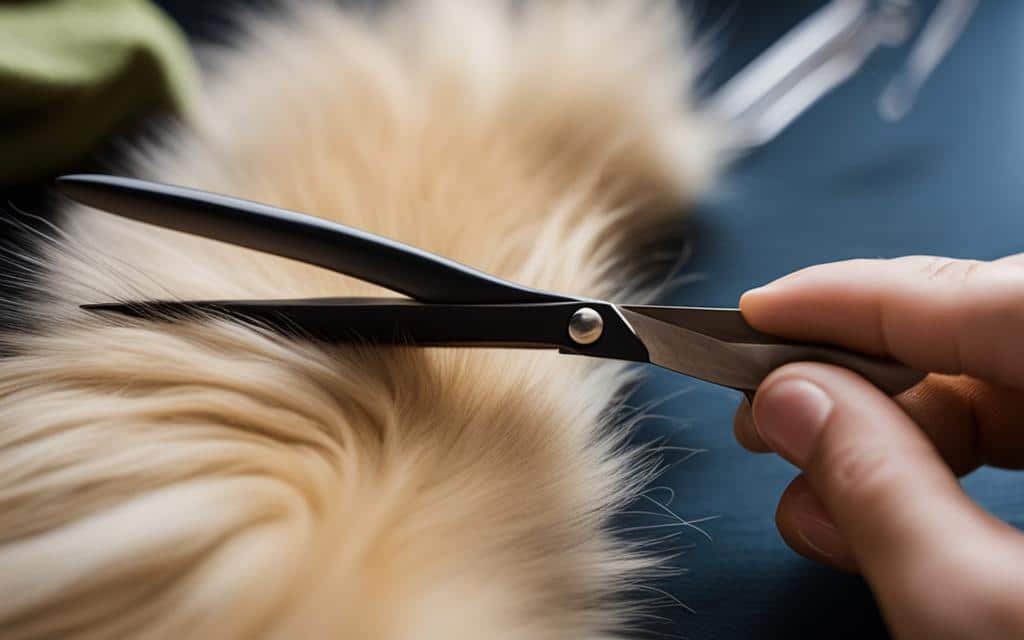
Tips for Clipping Your Pet’s Nails Safely
Here are some tips to help you clip your pet’s nails safely:
- Use a specialized pet nail clipper and avoid using human nail clippers or scissors.
- Work gradually, cutting small amounts of the nails at a time.
- Avoid cutting the quick area, which can cause bleeding or pain.
- Hold your pet’s paw firmly, and ensure a comfortable and stress-free environment.
- If you are unsure about how to clip nails or your pet is resistant, seek the assistance of a professional groomer or veterinarian.
By following these tips and combining nail care with paw hair trimming, you can ensure healthy and happy paws for your furry friend.
Addressing Thick or Matted Paw Hair
If your pet has thick or matted paw hair, don’t fret. There are several solutions to help you maintain a neat appearance despite challenging hair conditions. One option is to use detangling products specifically designed for pet hair. These products can help loosen up knots and prevent matting from forming.
If the problem persists, consider seeking professional help from a licensed pet groomer. They have the experience and tools needed to safely and effectively trim your pet’s paw hair without causing any harm or discomfort.
It’s important to address thick or matted paw hair promptly as it can lead to discomfort and potential injuries, such as paw pad injuries caused by walking on uneven surfaces. Regular maintenance and grooming can help prevent these issues from arising.
“Thick paw hair can be a grooming challenge, but with the right tools and techniques, it can be managed effectively.”
Troubleshooting Common Challenges
Despite following the right techniques and using the appropriate tools, paw hair trimming can still present some challenges. Here are some common issues you may encounter during paw hair trimming and practical solutions to overcome them:
Resistant Pets
Sometimes, pets may resist getting their paws groomed, which can make the process longer and more challenging. To help ease their anxiety, try introducing your pet to the process gradually. Use positive reinforcements such as treats and praise, and consider hiring an experienced groomer if your pet exhibits anxiety or aggression.
Uneven Hair Growth
If your pet’s foot hair grows at different rates, it can be a challenge to maintain a uniform appearance. To address this issue, trim the longer hair first, comb the hair to remove any tangles or mats, and then trim the remaining hair to match the desired length.
Accidental Cuts or Nicks
Accidents can happen, even when using the right tools and techniques. To avoid accidental cuts or nicks, make sure to handle the tools with care, and use scissors with rounded tips. If an injury occurs, immediately clean the area and apply pressure to stop any bleeding.

By troubleshooting common challenges, you can ensure a successful paw hair trimming experience for your furry friend.
Regular Paw Maintenance for Healthy Paws
Trimming paw hair is an important part of maintaining your pet’s paw health, but it’s not the only aspect to consider. Regular paw maintenance covers several areas such as keeping your pet’s paws clean and moisturized, and checking for any signs of infections.
Regular paw cleaning not only keeps your pet’s paws looking and smelling fresh, but it also prevents the accumulation of dirt, bacteria, and potential infections like yeast infections. Ensure that you dry your pet’s paws thoroughly after a walk in wet conditions to avoid fungal infections.
Moisturizing your pet’s paws with a pet-safe moisturizer helps to keep the paw pads from cracking, especially in colder weather. It also helps to soothe any irritations your pet might experience from dry and cracked paw pads.
Regular paw maintenance also involves checking for any cuts, sores, or swelling on your pet’s paws. Any changes in your pet’s paw appearance or behavior should be addressed by a veterinarian as soon as possible. Keeping your pet’s nails at an appropriate length is also a crucial part of paw care as overly long nails can cause discomfort and even lead to other health problems.
By keeping up with regular paw maintenance, you can ensure your pet has healthy and comfortable paws. In the next section, we’ll explore the final takeaways from this grooming guide.
Conclusion
To achieve a neat and polished look, trimming your pet’s paw hair is essential. Not only does it contribute to maintaining a clean appearance, but it also prevents matting, dirt accumulation, and potential infections. By using the right tools and following the safe trimming techniques, you can make the paw hair trimming experience stress-free for your furry friend.
Remember to establish a positive grooming routine and take care of your pet’s nails’ length. Don’t hesitate to seek professional help for dealing with thick or matted paw hair or when encountering any challenges during grooming.
Regular paw maintenance, beyond paw hair trimming, is crucial for keeping your pet’s paws healthy. Make sure to clean and moisturize them regularly and spot any signs of infections or injuries.
Overall, maintaining your pet’s paw hygiene contributes to their overall comfort and well-being. So, make it a habit to include paw care in your pet’s grooming routine, and you’ll see the difference it makes!
FAQ
Why is trimming paw hair important?
Trimming paw hair is important for maintaining a clean and polished appearance. It prevents matting, dirt accumulation, and potential infections on your pet’s paw pads.
What tools should I use for trimming paw hair?
There are various grooming tools available for trimming paw hair effectively. Scissors and electric trimmers are commonly used. Each tool has its pros and cons, so choose the one that suits your pet’s needs and your comfort level.
How can I prepare my pet for paw hair trimming?
To prepare your pet for paw hair trimming, introduce the process gradually. Start by getting your pet comfortable with being touched and handled. Use positive reinforcement techniques and establish a positive grooming routine.
What are the techniques for trimming paw hair?
To trim paw hair, start by trimming the hair between the paw pads to achieve a balanced length. Use sharp, clean scissors or trimmers and work slowly and carefully to avoid accidents. Always consult a professional groomer if you feel unsure.
Are there any safety measures I should follow while trimming paw hair?
Yes, there are safety measures to follow when trimming paw hair. Handle grooming tools properly, ensuring you don’t accidentally hurt your pet. Take your time and be extra cautious around sensitive areas. If needed, seek guidance from a professional.
How do I take care of nail length along with paw hair trimming?
Maintaining the right nail length is crucial for your pet’s paw health. Consider combining nail care with paw hair trimming by regularly clipping your pet’s nails. Be careful not to trim too much, as it can lead to discomfort or bleeding. Use appropriate nail clippers.
What can I do if my pet has thick or matted paw hair?
If your pet has thick or matted paw hair, consider using detangling products or seeking professional help. Regular grooming and maintenance can help prevent tangles and keep your pet’s paw hair manageable.
How can I troubleshoot common challenges during paw hair trimming?
Common challenges during paw hair trimming include handling resistant pets or managing uneven hair growth. To overcome these challenges, be patient and gentle with your pet and consider seeking professional advice if needed.
Is paw hair trimming the only aspect of paw maintenance?
No, paw hair trimming is just one aspect of paw maintenance. It is essential to keep your pet’s paws clean, moisturized, and free from infections. Regular grooming and paw care contribute to overall paw health and well-being.