Canine Behavior Science: Training for Responsible Ownership
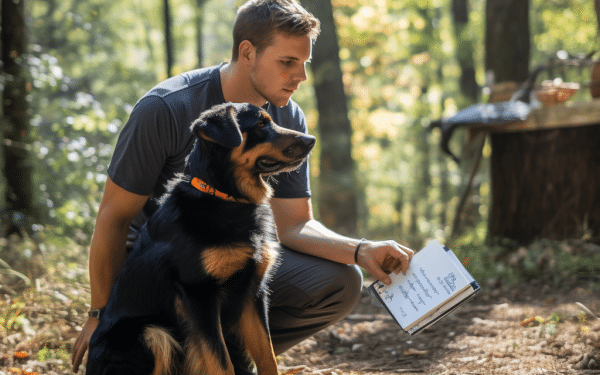
In this section, we will delve into the fascinating world of behavior science and its application to canine behavior and training techniques. Understanding your dog’s behavior is crucial for effective training and establishing a strong bond with your pet. By leveraging behavioral insights, you can create a positive training experience and nurture a well-behaved and happy companion.
The Importance of Evidence-Based and Humane Training Methods
Prioritize humane and evidence-based dog training techniques like positive reinforcement over aversive methods to improve a dog’s well-being.
Avoid aversive training methods, as they can lead to fear, aggression, and other issues, putting both dogs and handlers at risk, according to the American College of Veterinary Behaviorists.
Ensure effective and safe dog training by using positive reinforcement methods that reward desired behaviors with treats, praise, or other reinforcement to encourage their repetition.
“Using evidence-based and humane training methods not only promotes a positive training experience but also fosters a stronger bond between you and your dog.”
By using evidence-based and humane training methods, you can create a positive and supportive training environment for your dog. This approach not only promotes a positive training experience but also fosters a stronger bond between you and your dog. It allows you to communicate effectively with your pet and build trust, leading to a harmonious and enjoyable relationship.

Table: The Benefits of Evidence-Based and Humane Training Methods
| Benefits | Description |
|---|---|
| Positive association with training | Helps dogs associate training sessions with positive experiences, making them more willing to engage and learn. |
| Improved behavior | Promotes desirable behaviors and helps modify or eliminate undesirable ones, leading to a well-behaved dog. |
| Enhanced bond | Strengthens the bond between you and your dog through positive interactions, trust-building, and effective communication. |
| Promotes mental well-being | Supports your dog’s mental well-being by reducing stress, fear, and anxiety associated with aversive training methods. |
By prioritizing evidence-based and humane training methods, you can provide your dog with the best possible training experience while ensuring their emotional well-being and fostering a strong bond. This approach sets the foundation for a harmonious and fulfilling relationship between you and your furry companion.
The Concerns Raised by Behavioral Science Organizations Regarding the Training Practices of “The Dog Daddy”
In recent years, there have been growing concerns among behavioral science organizations regarding the training practices of Augusto DeOliveira, popularly known as “The Dog Daddy.” While DeOliveira has gained a significant following through his television show and online presence, experts in the field of canine behavior have expressed reservations about his methods.
Dr. Kelly Ballantyne, the president of the American College of Veterinary Behaviorists, has been particularly critical of DeOliveira’s approach. She emphasizes the importance of evidence-based, force-free training methods, which focus on positive reinforcement rather than punishment or aversive techniques.
“Using coercion, fear, or intimidation can have detrimental effects on dogs, leading to increased fear, anxiety, and aggression,” says Dr. Ballantyne. “These methods can undermine the human-dog bond and pose risks to both the well-being of the dog and the safety of the owner.”
Zak George, a well-respected dog trainer and behaviorist, also opposes the methods employed by “The Dog Daddy.” He advocates for science-based, reward-based training techniques that prioritize the emotional well-being of the dog and encourage a positive learning experience.
It is essential for dog owners to carefully consider the training methods they choose for their pets. Seeking guidance from certified professionals who have a thorough understanding of behavior science can help ensure that the training process is effective, ethical, and promotes a healthy and trusting relationship between humans and dogs.
| Behavioral Science Organizations’ Concerns: | Alternatives to Consider: |
|---|---|
| Use of coercion, fear, and intimidation in training | Evidence-based, force-free training methods |
| Detrimental effects on dogs, including increased fear, anxiety, and aggression | Positive reinforcement techniques that prioritize emotional well-being |
| Potential risks to the human-dog bond and overall safety | Science-based training approaches with guidance from certified professionals |
Sensory Science Exhibit: Understanding Dogs and Cats
In our quest to understand the complexities of canine behavior, a sensory science exhibit called “Cats & Dogs: The Exhibition” offers a unique opportunity to explore the world through the eyes, ears, and noses of our furry companions. This interactive exhibit goes beyond traditional displays by providing valuable insights into how dogs and cats experience the world around them.
The sensory science exhibit allows visitors to delve into the physical skills, communication methods, emotions, and behaviors of dogs and cats. By immersing ourselves in their sensory world, we can gain a deeper understanding of their needs and enhance our relationship with these remarkable creatures.
Canine Behavior
The exhibit features various interactive displays that demonstrate how dogs and cats perceive and interact with their environment. Visitors can learn about the astounding sense of smell possessed by dogs, which allows them to detect odors that humans cannot even fathom. They can also explore the exceptional hearing and visual abilities of both dogs and cats, gaining insights into how they navigate the world and communicate with us.
| Key Discoveries from “Cats & Dogs: The Exhibition” |
|---|
| Dogs rely heavily on their sense of smell to interpret the world around them, with over 220 million scent receptors compared to our mere 5 million. |
| Cats possess superior night vision due to a layer of cells called the tapetum lucidum, which reflects light back through their retinas. |
| Dogs and cats both use body language to communicate their emotions and intentions, and understanding these subtle cues can help us respond appropriately. |
| Enriching their environment with smells, sounds, and visual stimuli is crucial for the overall well-being of dogs and cats. |
The sensory science exhibit “Cats & Dogs: The Exhibition” provides a fascinating glimpse into the world of our furry friends. By gaining insights into their sensory experiences, we can deepen our connection and ensure their physical and emotional needs are met.
Exploring Different Dog Training Collars
When it comes to training your dog, having the right tools is essential for success. Dog training collars are one such tool that can aid in teaching your furry friend appropriate behaviors. In this section, we will explore the different types of dog training collars available in the market and discuss their features to help you make an informed decision.
Table: Comparison of Dog Training Collars
| Type of Collar | Features | Training Method |
|---|---|---|
| Flat Collar | Simple and lightweight | For basic obedience training |
| Head Collar | Gentle control over your dog’s head | For dogs who pull or lunge on a leash |
| Prong Collar | Gentle pressure on the neck to discourage pulling | For strong, large breeds with high prey drive |
| Electronic Collar | Delivers mild stimulation for remote training | For advanced training and off-leash control |
| Martingale Collar | Tightens when your dog pulls, preventing escape | For dogs with narrow heads or those who slip out of flat collars |
While choosing a dog training collar, it is important to consider your dog’s size, temperament, and specific training needs. It is also crucial to remember that a training collar should never replace positive reinforcement training methods or professional guidance. A collar should be used as a tool alongside positive training techniques to reinforce desired behaviors and discourage unwanted ones.
Before using any training collar, educate yourself on proper usage techniques and consult with a certified professional dog trainer who can guide you through the training process. This will ensure that you are using the collar in a safe and effective manner, promoting a positive and respectful relationship with your canine companion.
The Role of Positive Reinforcement in Training
In the world of dog training, positive reinforcement is a powerful and effective technique that focuses on rewarding desired behaviors. By using positive reinforcement, trainers can teach dogs new skills and modify their behavior in a humane and respectful manner. This approach is based on the principles of behavior science, which emphasize the importance of motivation and reinforcement in learning.
Positive reinforcement involves providing dogs with rewards, such as treats, praise, or play, when they exhibit the desired behavior. By associating the behavior with a positive outcome, dogs learn to repeat that behavior and are motivated to continue learning. This technique not only helps dogs acquire new skills but also strengthens the bond between the trainer and the dog.
One of the key advantages of positive reinforcement is that it helps create a positive and enjoyable training experience for both the trainer and the dog. Unlike aversive training methods that rely on punishment or correction, positive reinforcement focuses on rewarding good behavior rather than punishing bad behavior. This approach fosters a positive learning environment and helps dogs develop confidence, trust, and a willingness to learn.
The Benefits of Positive Reinforcement:
- Promotes a positive and enjoyable training experience
- Strengthens the bond between the trainer and the dog
- Builds confidence, trust, and a willingness to learn
- Encourages dogs to exhibit desired behaviors
- Enhances the dog’s overall well-being
It is important to note that positive reinforcement should be used in conjunction with clear communication, consistency, and patience. Training sessions should be short, frequent, and tailored to the individual dog’s needs and abilities. Additionally, it is essential to focus on rewarding the behaviors you want to see more of, rather than punishing or correcting unwanted behaviors.
| Positive Reinforcement Techniques | Description |
|---|---|
| Clicker Training | Uses a clicker to mark desired behaviors and is followed by a reward |
| Food Rewards | Uses treats or food as a reward for desired behaviors |
| Verbal Praise | Uses verbal praise and encouragement to reward and motivate dogs |
| Play and Toys | Uses play and toys as rewards for desired behaviors |
Environmental Management for Training Success
Creating the right environment is crucial for successful dog training. Environmental management plays a significant role in setting your dog up for success and preventing undesirable behaviors. By understanding the impact of the environment on your dog’s behavior, you can create a conducive setting that promotes learning, focus, and positive interactions.
Creating a Safe and Distraction-Free Space
One essential aspect of environmental management is creating a safe and distraction-free space for training. Find a quiet area in your home or yard where you can work with your dog without interruptions. Remove any potential hazards or items that may distract your dog’s attention, such as toys, food, or other pets. This will help your dog stay focused on the training session and minimize the likelihood of unwanted behaviors.
Gradual Exposure to New Environments
Introducing your dog to new environments is an important part of training, but it should be done gradually. Start with familiar surroundings and gradually expose your dog to different environments, such as parks, busy streets, or crowded areas. This will help your dog become more comfortable and confident in various situations, which is essential for their overall behavior and obedience.
Using Visual Cues and Markers
Visual cues and markers can be powerful tools for environmental management during training. Use visual cues, such as signs or flags, to indicate specific areas or behaviors. This can help your dog understand boundaries and expectations. Additionally, markers, such as clickers or verbal signals, can be used to communicate desired behaviors effectively. Consistently using these visual cues and markers will help your dog understand what is expected of them in different environments.
| Environmental Management Tips for Successful Training |
|---|
| 1. Find a quiet, distraction-free space for training sessions. |
| 2. Gradually expose your dog to new environments to build confidence. |
| 3. Use visual cues and markers to communicate boundaries and expectations. |
| 4. Maintain consistency in your training approach and environment. |
| 5. Provide mental and physical stimulation to prevent boredom and unwanted behaviors. |
Remember, consistency is key when it comes to environmental management. Establishing a routine and maintaining a consistent training approach will help your dog understand what is expected of them. Along with a conducive environment, providing mental and physical stimulation through interactive toys, puzzles, and regular exercise is important to prevent boredom and unwanted behaviors.
Understanding Canine Body Language
Understanding canine body language is crucial for effective communication and training. Dogs rely heavily on nonverbal cues to express their emotions, intentions, and reactions. By interpreting their body language, we can gain valuable insights into a dog’s state of mind and respond appropriately, strengthening our bond and facilitating successful training.
One important aspect of canine body language is tail position and movement. A wagging tail doesn’t always mean a dog is happy; it can indicate excitement, fear, or even aggression depending on the height, speed, and stiffness of the wag. Similarly, a tucked tail can indicate fear or submission. It’s important to consider the overall context and other body signals to accurately interpret a dog’s intentions.
“Canine body language is a fascinating form of communication. By observing subtle changes in posture, facial expressions, and tail movement, we can better understand what our dogs are feeling and tailor our training approaches accordingly.” – Dr. Jane Anderson, Canine Behavior Specialist
Canine Body Language
Another crucial element to consider is a dog’s facial expressions. Just like humans, dogs use their facial muscles to convey various emotions. A relaxed, open mouth with a slightly panting tongue often indicates a calm and content dog. On the other hand, a tense face with a wrinkled forehead, raised hackles, and bared teeth may signal fear or aggression. Understanding these subtle cues can help us gauge a dog’s comfort level and adjust our training accordingly.
By studying and interpreting canine body language, we can enhance our ability to train dogs effectively and ensure their well-being. It allows us to recognize signs of stress or discomfort, identify positive behavioral indicators, and modify our training methods accordingly. By speaking their language, we can build trust, facilitate clear communication, and create a positive and rewarding training experience for both our furry friends and ourselves.
| Canine Body Language Cues | Meaning |
|---|---|
| Tail wagging in a loose, natural arc | Generally indicates happiness and friendliness |
| Tail wagging stiffly and high | May indicate excitement or potential aggression |
| Tail tucked between the legs | Often signifies fear, submission, or anxiety |
| Relaxed face with an open mouth | Typically represents a calm and content dog |
| Tense face with wrinkled forehead and bared teeth | Can indicate fear, aggression, or discomfort |
The Evolution of Human-Dog Interaction
Throughout history, the interaction between humans and dogs has undergone a remarkable evolution. From their origins as hunting partners to becoming beloved companions and members of our families, dogs have played an integral role in our lives. This deep-rooted bond has shaped our understanding of canine behavior and influenced our training approaches.
Dogs’ qualities like loyalty, intelligence, and adaptability have made them invaluable in various roles, such as assistance, therapy, search and rescue, and contraband detection. Our appreciation for science-based training methods has grown alongside our understanding of canine behavior.
Behavior science provides valuable insights into canine behavior, communication, and learning. This knowledge helps us tailor effective and compassionate training techniques, emphasizing positive reinforcement over punishment or aversive methods.
Each dog is unique with distinct needs and abilities, and our relationship with them continues to evolve. Embracing behavior science principles and staying informed about training advancements ensures our interactions with dogs are built on mutual trust, respect, and understanding.
Table: The Evolution of Human-Dog Interaction
| Period | Key Milestones |
|---|---|
| Ancient Times | Domestication of dogs as hunting partners |
| Industrial Revolution | Increased urbanization leads to dogs as companions |
| 20th Century | Recognition of dogs’ working abilities (e.g., guide dogs, police dogs) |
| Present Day | Focus on positive reinforcement training and understanding canine behavior |
The Importance of Seeking Professional Guidance for Complex Behaviors
For complex dog behavior issues, seek professional guidance from certified experts who understand behavior science and can develop effective strategies.
Behavior science is valuable, but interpreting and applying it to individual dogs requires skilled professionals. Work with certified behavior experts to address your dog’s unique behavioral challenges.
Certified professionals assess your dog’s behavior, considering factors like environment, past experiences, and genetics. They create a personalized behavior modification plan using positive reinforcement and management strategies.
| Benefits of Seeking Professional Guidance for Complex Behaviors | Professional Guidance |
|---|---|
| Expertise in behavior science and training techniques | ✔️ |
| Individualized assessment and behavioral plan | ✔️ |
| Support for both the dog and the owner | ✔️ |
| Access to specialized resources and tools | ✔️ |
With professional guidance, you can navigate the complexities of your dog’s behavior and develop a positive and effective training approach. Remember, behavior issues should never be ignored or left unaddressed, as they can worsen over time. Seeking professional help is a proactive step towards resolving your dog’s behavioral challenges and strengthening the bond between you and your beloved pet.
Positive Training Approaches for Aggression Management
In this section, we will explore positive training approaches for managing aggression in dogs. Aggression in dogs can stem from various factors such as fear, territoriality, or resource guarding. It is essential to address these underlying issues through behavior modification techniques that prioritize positive reinforcement.
Positive training focuses on rewarding good behavior and redirecting inappropriate actions with patience and consistency. This encourages dogs to avoid aggression.
When dealing with aggression, consult a certified behavior professional for a customized plan and guidance. This ensures safety and increases the chances of success.
Positive Training Approaches for Aggression Management: Key Strategies
- Counterconditioning: Change a dog’s response to triggers by pairing them with positive experiences, reducing aggression towards strangers.
- Desensitization: Gradually expose a dog to triggers at low intensity, rewarding calm behavior, and increasing exposure over time to reduce sensitivity, especially with other dogs.
- Management and Environmental Modifications: Implement strategies like physical barriers, muzzle training, socialization, and a structured environment to prevent or minimize aggression triggers.
Aggression in dogs should always be taken seriously and addressed promptly. With the right training techniques and professional guidance, aggression can be managed effectively, leading to a safer and happier life for both the dog and their owners.
| Training Approach | Description |
|---|---|
| Counterconditioning | Changing a dog’s emotional response to a specific trigger by pairing it with positive experiences. |
| Desensitization | Reducing a dog’s sensitivity to specific triggers by gradually exposing them to those triggers at a low intensity and increasing the exposure over time. |
| Management and Environmental Modifications | Implementing strategies to prevent or minimize situations that may trigger aggression, alongside behavior modification techniques. |
Building a Strong Bond Through Training
Training your dog goes beyond teaching them basic commands. It plays a crucial role in building a strong bond between you and your canine companion. Positive training techniques based on behavior science can enhance trust, communication, and mutual understanding, creating a deeper connection and a happier, well-behaved pet.
By using positive reinforcement, such as rewards and praise, you can encourage desired behaviors and teach your dog new skills. This approach focuses on rewarding good behavior rather than punishing undesirable actions, creating a positive and enjoyable training experience for both you and your dog.
Training also provides an opportunity for you to spend quality time with your dog, strengthening your relationship and understanding of each other. It allows you to communicate effectively and develop a shared language, ultimately enhancing the overall bond between you and your furry friend.
Benefits of Bonding Through Training
- Increased trust and mutual respect
- Better communication and understanding
- Enhanced obedience and responsiveness
- Improved problem-solving skills
- Higher levels of companionship and enjoyment
Remember, building a strong bond takes time, consistency, and patience. Celebrate your dog’s progress, no matter how small, and always approach training with a positive mindset. Together, you and your furry friend can forge a lifelong partnership based on love, trust, and shared experiences.
Training for Specific Tasks and Activities
In this section, we will explore how behavior science can be applied to train dogs for specific tasks and activities. Whether you’re interested in obedience competitions, agility training, or specialized tasks like search and rescue missions, understanding training techniques tailored to meet unique goals is essential.
Table 1: Training Techniques for Specific Tasks and Activities
| Task/Activity | Training Techniques |
|---|---|
| Obedience Competitions | Positive reinforcement, clicker training, shaping, and targeting |
| Agility Training | Targeting, tunnel work, contact training, and obstacle discrimination |
| Search and Rescue | Scent detection training, tracking, and search pattern commands |
| Therapy Dog Work | Desensitization and counterconditioning, socialization, and calm behavior reinforcement |
When training dogs for specific tasks, it is crucial to define clear training goals and break them down into small, achievable steps. Consistency, patience, and positive reinforcement are key elements in any training process. For obedience competitions, focusing on precision, timing, and reinforcing desired behaviors with rewards can lead to success. Agility training requires teaching dogs to navigate obstacles with speed and accuracy, emphasizing coordination, balance, and responsiveness to commands. Search and rescue training involves scent detection, tracking, and building a strong bond between handler and dog. In therapy dog work, training focuses on ensuring calm, well-behaved behavior in various healthcare and social settings.
Professional guidance may be essential for task-specific training. Certified trainers specialize in custom expertise, program design, and behavior management. Training for specific tasks demands dedication, practice, and canine behavior knowledge. Apply science-backed methods for enhanced skills and a rewarding partnership.
Training Throughout a Dog’s Life
Dog training is an ongoing process, not a one-time event. Lifelong training is crucial for maintaining good behavior, reinforcing skills, and adapting to your dog’s changing needs.
Basic obedience training in the early years sets the foundation for essential commands like sit, stay, and come. As your dog matures, you can introduce advanced techniques and tailor training to their abilities and interests.
Training Milestones by Age:
| Age | Training Focus |
|---|---|
| Puppyhood (8-16 weeks) | Basic obedience, socialization, potty training |
| Adolescence (4-9 months) | Continued obedience training, impulse control |
| Adult (1-7 years) | Refining commands, advanced training, specific tasks |
| Senior (7+ years) | Maintaining learned skills, mental stimulation, physical exercise |
Remember, training should always be a positive and rewarding experience for your dog. Use positive reinforcement techniques, such as treats, praise, and play, to motivate and encourage desired behaviors. Consistency, patience, and regular practice are key to successful training throughout your dog’s life.
Responsible Dog Ownership and Training
In order to provide your dog with a happy and fulfilling life, responsible ownership and training are essential. Being a responsible dog owner goes beyond providing basic needs like food, water, and shelter. It involves understanding your dog’s behavior, ensuring their physical and mental well-being, and being a compassionate and caring guardian.
One crucial aspect of responsible ownership is behavioral training. By investing time and effort into training, you can help your dog develop good manners, obedience, and social skills. Training not only helps prevent behavioral issues but also strengthens the bond between you and your furry companion.
Responsible owners prioritize positive reinforcement training methods that focus on reward-based techniques. These methods are effective in teaching dogs desired behaviors by rewarding them for their good actions. Positive reinforcement creates a positive learning experience for your dog and fosters a cooperative and trusting relationship.
Importance of Exercise and Mental Stimulation
In addition to training, responsible dog ownership includes providing adequate exercise and mental stimulation. Dogs are naturally active animals that require physical activity to maintain their physical health and prevent boredom-related behavior problems.
Regular exercise, such as daily walks, playtime, or agility training, helps channel their energy in a positive way and reduces the risk of obesity and other health issues. Mental stimulation, such as puzzle toys, interactive games, and training sessions, keeps dogs mentally sharp and engaged.
Providing a safe and stimulating environment is crucial for responsible dog ownership. Ensure that your home and yard are secure, free from hazards, and enriched with toys, scratching posts, and comfortable resting areas. Consider your dog’s breed, size, and individual needs when creating a dog-friendly environment.
| Responsibilities of a Responsible Dog Owner |
|---|
| Provide proper nutrition and veterinary care |
| Ensure regular exercise and mental stimulation |
| Invest in training and socialization |
| Maintain a safe and secure environment |
| Practice responsible breeding and pet population control |
| Stay up-to-date with local laws and regulations |
Being a responsible dog owner is a lifelong commitment. It requires ongoing education and staying informed about the latest developments in dog behavior, training techniques, and responsible ownership practices. By fulfilling your responsibilities as an owner, you can provide your furry friend with the love, care, and guidance they deserve.
Conclusion
Responsible dog ownership and training are inseparable. By understanding your dog’s needs, investing in positive reinforcement training methods, providing adequate exercise and mental stimulation, and creating a safe environment, you can ensure a happy and fulfilling life for your four-legged companion. Remember, being a responsible dog owner is a commitment that enriches both your life and your dog’s life. Together, you can build a strong and loving bond that lasts a lifetime.

Conclusion
Throughout this article, we have explored the fascinating world of dog behavior and training. By delving into the science behind canine behavior, we have gained valuable insights that can help us develop more effective training techniques.
We have emphasized the importance of using evidence-based and humane training methods, as recommended by the American College of Veterinary Behaviorists. These methods prioritize positive reinforcement and avoid aversive techniques that can cause fear and aggression in dogs.
Understanding the complexities of canine body language, as well as the evolving nature of our interaction with dogs, has also been highlighted. By interpreting their behaviors and strengthening our bond, we can create a harmonious training experience.
However, it is crucial to remember that complex behavioral issues may require professional guidance. Certified behavior professionals, with their expertise in behavior science, can provide the necessary support and guidance when dealing with aggression or other challenging behaviors.
FAQ
What are some evidence-based and humane training methods for dogs?
Evidence-based and humane training methods for dogs involve reinforcement of desired behaviors and managing their environment. Using positive reinforcement, such as rewards and treats, can help teach dogs new behaviors.
What is the American College of Veterinary Behaviorists’ stance on aversive training methods?
The American College of Veterinary Behaviorists (ACVB) warns against aversive training methods that use physical force or correction. These methods can cause fear, panic, aggression, and pose a risk to both dogs and handlers.
What concerns have been raised about “The Dog Daddy’s” training methods?
Behavioral science organizations, such as dog trainer Zak George and the ACVB, have expressed concerns about “The Dog Daddy’s” training approach. They emphasize the importance of using evidence-based, force-free methods.
What insights can be gained from the sensory science exhibit “Cats & Dogs: The Exhibition”?
The sensory science exhibit “Cats & Dogs: The Exhibition” provides insights into how dogs and cats experience the world. Visitors can understand their physical skills, communicate with dogs and cats, interpret their emotions and behaviors, and explore the evolution of our interaction with them.
What should be considered when choosing a dog training collar?
When choosing a dog training collar, it is important to consider various features and make sure it is used in conjunction with professional training and guidance. However, a collar should not replace proper training and attention from the owner.
Why is positive reinforcement important in training?
Positive reinforcement is important in training as it helps reinforce desired behaviors. By using rewards and treats, dogs are motivated to repeat these behaviors, making the training process more effective.
How can environmental management contribute to training success?
Environmental management plays a crucial role in training success. By managing a dog’s environment, distractions can be minimized, and the focus can be directed towards training. This helps create an optimal learning environment for the dog.
How can understanding canine body language benefit training?
Understanding canine body language is essential for effective communication and training. By recognizing signs of stress, fear, or aggression, trainers can adjust their methods and create a safer and more comfortable training environment.
What is the evolution of human-dog interaction?
The evolution of human-dog interaction refers to the historical and sociocultural changes in the relationship between humans and dogs. Over time, dogs have transitioned from working animals to beloved companions, leading to advancements in training methods and understanding canine behavior.
When should professional guidance be sought for complex behaviors?
Professional guidance should be sought for complex behaviors that may require specialized knowledge and expertise. Trainers or behaviorists can provide insight, guidance, and develop customized training plans for specific behavioral issues.
How can positive training approaches help with aggression management?
Positive training approaches focus on reinforcing desired behaviors and can be effective in managing aggression. By using rewards and positive reinforcement, dogs can learn alternative behaviors and coping mechanisms, reducing aggressive tendencies.
How does training contribute to building a strong bond with a dog?
Training contributes to building a strong bond with a dog by establishing trust, communication, and mutual understanding. Through positive reinforcement and clear guidance, dogs learn to trust and rely on their owners, strengthening the bond between them.
What are some specific tasks and activities that dogs can be trained for?
Dogs can be trained for a wide range of specific tasks and activities, including but not limited to obedience commands, agility courses, scent detection, search and rescue, therapy work, and assistance tasks for individuals with disabilities.
Is training a one-time event, or does it need to continue throughout a dog’s life?
Training is a lifelong process for dogs. While basic obedience commands may be taught early on, ongoing training throughout a dog’s life helps maintain and reinforce learned behaviors and can address new challenges that arise.
What is the importance of responsible dog ownership and training?
Responsible dog ownership and training go hand in hand. By providing proper training, socialization, and care, owners can ensure their dogs are well-behaved, safe, and happy. Responsible ownership also includes meeting a dog’s physical and mental needs.