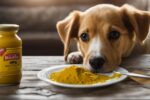
The Risks of Feeding Pepperoni to Dogs

Feeding pepperoni to dogs is a common practice among pet owners, but it may not be the healthiest choice for our furry friends. While dogs may beg for a slice of this delicious treat, it’s important to consider the potential risks and health effects it can have on them.
Pepperoni, a highly processed meat product, is often high in fat, sodium, and spices. These ingredients can pose several dangers to dogs when consumed in large quantities or on a regular basis. It’s crucial for pet owners to be aware of these risks and make informed decisions about what foods to share with their canine companions.
Key Takeaways:
- Feeding pepperoni to dogs can lead to obesity, pancreatitis, and gastrointestinal upset due to its high-fat content.
- The spices used in pepperoni, such as garlic and onion powder, can be toxic to dogs and cause damage to their red blood cells.
- The high sodium content in pepperoni can contribute to dehydration and potentially harm the kidneys and heart of dogs.
- Weight gain and obesity from consuming pepperoni can result in various health issues for dogs, including diabetes and joint problems.
- If you have concerns about your dog’s diet or their health after consuming pepperoni, consult with a veterinarian for proper guidance and advice.
Potential Risks of Pepperoni for Dogs
Pepperoni can pose various risks to dogs. It is a highly processed meat product that is often high in fat, sodium, and spices, which can be harmful to dogs. The high-fat content in pepperoni can lead to obesity, pancreatitis, and gastrointestinal upset in dogs. The spices, such as garlic and onion powder, commonly used in pepperoni can be toxic to dogs, causing damage to their red blood cells. Additionally, the high sodium content in pepperoni can cause dehydration and contribute to kidney and heart problems in dogs.
“Feeding pepperoni to dogs can potentially compromise their health and wellbeing. The excessive fat and high sodium content in pepperoni can wreak havoc on their cardiovascular system, leading to obesity, pancreatitis, and hypertension. Moreover, the presence of toxic spices like garlic and onion powder in pepperoni can result in severe anemia and organ damage. It is crucial for pet owners to be aware of these risks and prioritize the safety of their furry friends.”
Potential Risks of Pepperoni for Dogs:
| Risk | Description |
|---|---|
| Obesity | The high-fat content in pepperoni can contribute to weight gain and obesity in dogs. |
| Pancreatitis | The consumption of fatty foods like pepperoni can lead to inflammation of the pancreas in dogs. |
| Gastrointestinal Upset | The rich and spicy nature of pepperoni can cause digestive issues like vomiting and diarrhea in dogs. |
| Red Blood Cell Damage | The spices used in pepperoni, such as garlic and onion powder, can be toxic to dogs and cause damage to their red blood cells. |
| Dehydration | The high sodium content in pepperoni can lead to dehydration in dogs, particularly if not accompanied by enough water intake. |
| Kidney and Heart Problems | The excessive sodium in pepperoni can contribute to kidney and heart issues in dogs, as the organs may struggle to process and regulate the high levels of salt. |
It is essential for pet owners to be cautious and avoid feeding pepperoni to their dogs to prevent these potential risks. Instead, there are plenty of safe and healthy alternatives available that can satisfy your dog’s cravings without compromising their well-being.
Health Effects of Pepperoni on Dogs
Feeding pepperoni to dogs can have detrimental health effects. The high-fat content in pepperoni can lead to weight gain and obesity in dogs, which can contribute to various health issues including diabetes, joint problems, and decreased lifespan.
The spices and seasonings used in pepperoni, such as garlic and onion powder, can be toxic to dogs, causing anemia and other serious health complications. These ingredients can damage the red blood cells of dogs, leading to a condition known as Heinz body anemia. This can result in symptoms such as weakness, lethargy, pale gums, and even organ failure.
Furthermore, the high sodium content in pepperoni can have negative effects on dogs’ health. Excessive sodium intake can lead to increased thirst, which may result in frequent urination and dehydration. Additionally, an excess of sodium can strain the kidneys and contribute to the development of kidney disorders. The heart can also be affected, as high sodium intake can lead to hypertension and put additional stress on the cardiovascular system.
It is crucial for pet owners to understand the potential health risks and be cautious when considering feeding their dogs pepperoni. While dogs may find the taste of pepperoni appealing, the health consequences far outweigh any temporary enjoyment they may experience.

If you suspect that your dog has consumed pepperoni or is experiencing any symptoms related to pepperoni consumption, it is important to consult with a veterinarian. They can provide guidance on how to address any potential health issues and recommend a suitable diet that promotes canine well-being.
Conclusion
In conclusion, it is best to avoid feeding pepperoni to dogs due to the risks and potential health effects it can have on them. Pepperoni is high in fat, sodium, and spices that can be harmful to dogs, leading to various health complications.
Feeding pepperoni to dogs can contribute to obesity, pancreatitis, gastrointestinal issues, anemia, and kidney and heart problems. The high-fat content in pepperoni can result in weight gain and obesity, which can lead to a range of health issues in dogs, including diabetes, joint problems, and decreased lifespan.
Furthermore, the spices and seasonings used in pepperoni, such as garlic and onion powder, can be toxic to dogs, causing damage to their red blood cells and potentially leading to serious health complications. The high sodium content in pepperoni can also have negative effects on dogs’ kidneys and heart, contributing to dehydration and long-term health problems.
To ensure the health and well-being of your furry companion, it is essential to prioritize a balanced and nutritionally appropriate diet. If you have any concerns about your dog’s diet or notice any adverse health effects after consuming pepperoni, it is recommended to consult with a veterinarian for proper guidance and advice.
FAQ
Is it safe to feed pepperoni to dogs?
Feeding pepperoni to dogs is not recommended due to the risks and potential health effects it can have on them. Pepperoni is high in fat, sodium, and spices that can be harmful to dogs, leading to various health complications.
What are the risks of feeding pepperoni to dogs?
The risks of feeding pepperoni to dogs include obesity, pancreatitis, gastrointestinal upset, damage to red blood cells, dehydration, and potential kidney and heart problems.
Why is pepperoni harmful to dogs?
Pepperoni is highly processed and contains high levels of fat, sodium, and spices. The high-fat content can lead to weight gain and obesity in dogs, while the spices, such as garlic and onion powder, can be toxic and cause anemia. The high sodium content can contribute to dehydration and potentially damage the kidneys and heart of dogs.
What health effects can pepperoni have on dogs?
Pepperoni can have detrimental health effects on dogs, including weight gain, obesity, diabetes, joint problems, decreased lifespan, anemia, dehydration, and potential kidney and heart problems.
What should I do if my dog has eaten pepperoni?
If your dog has consumed pepperoni and you have concerns about their health, it is recommended to consult with a veterinarian for proper guidance and advice. They will be able to assess the situation and provide necessary treatment if needed.