The Do’s and Don’ts of Feeding Pork to Dogs
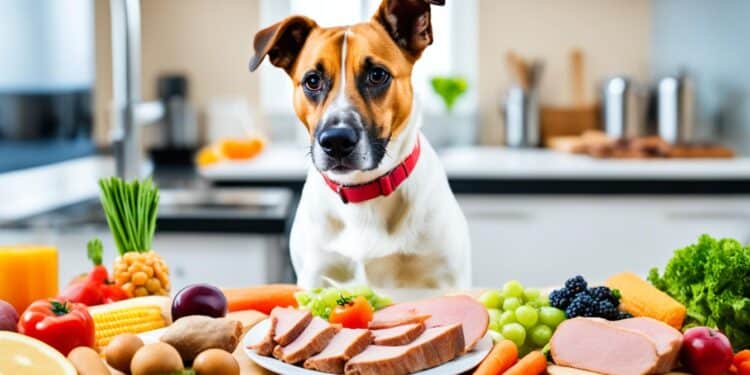
Dogs are known for their love of food, and as responsible pet owners, it’s our job to ensure that what they eat is safe and healthy for them. Pork is a popular meat that many of us enjoy, but can dogs safely indulge in this delicious treat? Let’s explore the do’s and don’ts of feeding pork to dogs.
Key Takeaways
- Plain, unseasoned pork can be given to dogs as a treat, but it should not be a staple in their diet due to its high fat content.
- Consult with a veterinarian before adding pork to a dog’s regular diet.
- Raw or undercooked pork is not recommended for dogs as it can contain parasites.
- Cooked pork bones can splinter and cause choking or internal injuries, so they should not be given to dogs.
- Bacon and ham should be given to dogs in small amounts due to their high fat and salt content.
- Pork sourced from reputable farms and prepared properly can be safely fed to dogs in moderation.
The Different Types of Pork
When it comes to feeding pork to dogs, not all sources are created equal. There are different types of pork available, each with varying impacts on the health and well-being of our canine companions. Two primary categories of pork are pastured pigs and factory-farmed pigs.
Pastured Pigs
Pastured pigs, also known as pasture-raised pigs, are raised in open spaces where they have the freedom to roam and forage. These pigs enjoy a natural lifestyle, feeding on a diverse diet that includes grass, roots, insects, and other vegetation. This type of environment promotes the pigs’ overall health and well-being.
One popular variety of pastured pig is the Mangalitsa. Originating from Hungary, Mangalitsa pigs are renowned for their hardiness and unique flavor. They are prized for their thick, woolly coats that protect them during colder weather and allow them to thrive in various climates.
Factory-Farmed Pigs
In contrast to pastured pigs, factory-farmed pigs are typically raised in crowded indoor pens. These pigs have limited space and minimal opportunity for natural behaviors. They are typically fed a diet consisting mainly of genetically modified corn and soybean meal.
The factory-farming environment and diet can have detrimental effects on the health and quality of the meat produced. These pigs may be more prone to stress, disease, and reduced nutritional value compared to their pastured counterparts.
When it comes to feeding pork to dogs, choosing the right type of pork is essential. Pasture-raised or heritage pork, such as Mangalitsa, offers several advantages for our furry friends.
Nutritional Benefits of Pastured Pork for Dogs
Feeding dogs pasture-raised or heritage pork can provide them with numerous nutritional benefits. Here are some key advantages:
- Easily Digestible Protein Source: Pastured pork offers dogs a high-quality, easily digestible protein source. This is vital for muscle development, energy production, and overall health.
- Rich in Omega-3 Fatty Acids: Omega-3 fatty acids play a crucial role in supporting dogs’ immune systems, promoting healthy skin and fur, and reducing inflammation.
- Amino Acids, Vitamins, and Minerals: Pastured pork contains essential amino acids, vitamins, and minerals that contribute to a balanced and nutritious diet for dogs. These nutrients support various bodily functions and promote overall well-being.
By choosing pasture-raised or heritage pork for our canine companions, we not only provide them with a flavorful and wholesome meal but also support ethical and sustainable farming practices.
| Pastured Pigs | Factory-Farmed Pigs |
|---|---|
| Open spaces and natural environment | Indoor pens and limited space |
| Diverse diet with natural foraging | Diet mainly composed of genetically modified corn and soybean meal |
| Healthier and more flavorful meat | Possible health risks due to stress and reduced nutrition |
When it comes to the health and well-being of our dogs, choosing the right type of pork is crucial. Opting for pasture-raised or heritage pork ensures that our furry friends receive the nutritional benefits they deserve while supporting sustainable farming practices. By providing our dogs with the best quality pork, we can contribute to their overall health and happiness.
Is Pork Bad For Dogs?
While pork can be a suitable protein source for dogs, there are several risks and considerations to keep in mind. Processed pork products, such as bacon and ham, can contain high levels of salt and fat, which can be detrimental to a dog’s health. Lean cuts of pork, like pork loin, are healthier options for dogs. It is important to avoid feeding dogs raw or undercooked pork, as it can expose them to parasites like Trichinella. Dogs with allergies or sensitivities should be monitored closely when introducing pork into their diet, as it can potentially cause adverse reactions. It is essential to know where the pork comes from and opt for pasture-raised or heritage pork, as factory-farmed pork can have negative impacts on both the dog’s health and the environment.
Risks of Feeding Pork to Dogs
Feeding pork to dogs poses certain risks that pet owners should be aware of. Processed pork, such as bacon and ham, contains high levels of salt and fat. Dogs that consume these products regularly may be at a higher risk of obesity, pancreatitis, and other health issues. Additionally, raw or undercooked pork can be contaminated with parasites like Trichinella, which can cause severe illness in dogs. Therefore, it is crucial to cook pork thoroughly before feeding it to your canine companion.
Processed Pork vs Unprocessed Pork
The difference between processed and unprocessed pork lies in the way they are prepared. Processed pork refers to products that have been cured, smoked, or seasoned, such as bacon and ham. These types of pork often contain added salt, nitrates, and preservatives, which can be harmful to dogs in large quantities. On the other hand, unprocessed pork, like lean cuts of pork loin, is a healthier option for dogs. It contains fewer additives and provides essential nutrients like protein and B vitamins.
Pork and Dog Allergies
Dogs, like humans, can develop allergies to certain foods, including pork. Common symptoms of pork allergies in dogs may include itching, skin rashes, gastrointestinal upset, and respiratory issues. If you suspect that your dog may have an allergy to pork, it is best to consult with a veterinarian. They can help determine if pork is the specific allergen and provide guidance on an appropriate diet for your furry friend.
| Risks of Feeding Pork to Dogs | Processed Pork vs Unprocessed Pork | Pork and Dog Allergies |
|---|---|---|
| High levels of salt and fat in processed pork can be detrimental to a dog’s health. | Processed pork contains additives and preservatives that may be harmful to dogs, while unprocessed pork provides essential nutrients. | Dogs can develop allergies to pork, resulting in various symptoms such as itching, rashes, and gastrointestinal issues. |
| Raw or undercooked pork can expose dogs to parasites like Trichinella. | Unprocessed pork, such as lean cuts of pork loin, is a healthier option for dogs. | If your dog shows signs of a pork allergy, consult with a veterinarian for proper diagnosis and guidance. |
| Feeding dogs processed pork regularly can increase the risk of obesity and pancreatitis. | Choose unprocessed pork over processed pork for a healthier diet for your dog. |
It is important to prioritize your dog’s health and well-being when considering including pork in their diet. Be mindful of the risks associated with processed pork, opt for lean cuts of unprocessed pork, and monitor your dog for any signs of allergies or sensitivities. By making informed choices and consulting with a veterinarian, you can ensure that your furry friend can safely enjoy the occasional pork treat.
Conclusion
In conclusion, dogs can safely consume pork as part of their diet, but certain precautions must be taken. When feeding pork to dogs, it is crucial to opt for lean cuts and avoid processed pork products that are high in salt, fat, and unhealthy additives. Furthermore, raw or undercooked pork should never be given to dogs due to the potential risks associated with parasites.
Choosing pasture-raised or heritage pork is highly recommended, as it provides dogs with superior nutrition and is raised under more ethical and environmentally friendly conditions. These types of pork offer essential amino acids, vitamins, and minerals that contribute to a well-balanced diet for dogs. However, it is important to consult with a veterinarian to determine if pork is suitable for an individual dog’s specific needs.
If pork is not an option or not well-tolerated by a dog, there are alternatives available. Wild boar, for instance, can be a viable substitute for pork and offers similar nutritional benefits. Other alternatives such as poultry, fish, or plant-based proteins can also be considered, depending on the dog’s dietary requirements and any specific allergies or sensitivities.
In summary, while dogs can eat pork, it is essential to be mindful of how pork is prepared and sourced. By making informed choices and seeking professional guidance, dog owners can provide their furry friends with safe and nutritious meals.
FAQ
Can dogs eat pork?
Yes, dogs can eat pork as long as it is plain and free from seasoning, sauces, condiments, onions, or other potentially toxic ingredients. However, pork should be given to dogs as a treat rather than a staple in their diet due to its high fat content. It is important to consult with a veterinarian before adding pork to a dog’s regular diet.
Can dogs eat raw pork?
No, it is not recommended to feed dogs raw pork as it can contain parasites such as Trichinella. Raw or undercooked pork can pose significant health risks to dogs. It is best to thoroughly cook pork before feeding it to dogs to ensure it is safe for consumption.
Can dogs eat pork bones?
No, cooked pork bones should not be given to dogs as they can splinter and cause choking or internal injuries. It is important to provide dogs with safe chew toys and treats specifically made for them to avoid any potential harm from bones.
Can dogs eat bacon or ham?
In small amounts, dogs can eat bacon or ham. However, these processed pork products are high in fat and salt, which can be detrimental to a dog’s health. It is best to limit the consumption of bacon or ham and choose leaner cuts of pork as a healthier option.
Is pork suitable for dogs with allergies?
Dogs with allergies or sensitivities should be closely monitored when introducing pork into their diet. Some dogs may have adverse reactions to pork, so it is important to observe any changes in their behavior or health. If you suspect your dog has an allergy to pork, consult with a veterinarian before feeding it to them.
What types of pork are healthier for dogs?
Pasture-raised or heritage pork is generally considered healthier for dogs. These types of pork come from pigs that are raised in open spaces and have a more natural and varied diet. Pasture-raised and heritage pork provide important amino acids, vitamins, and minerals that contribute to a healthy diet for dogs.
Can dogs eat pork chops or pork mince?
Dogs can eat pork chops and pork mince as long as they are properly cooked and free from seasonings or other additives. However, it is important to remember that pork should only be given to dogs as an occasional treat and not as a main part of their diet due to its high fat content.
Are there alternatives to pork for dogs?
If pork is not suitable for your dog, there are alternatives available. For example, wild boar can be a similar protein source to pork and provide similar nutritional benefits. Always consult with a veterinarian to ensure any dietary changes for your dog are safe and appropriate for their individual needs.