Sparkling Eyes: Grooming Your Dog’s Face with Care

As a pet parent, ensuring that your furry friend looks and feels their best is always a top priority. In addition to regular exercise and a balanced diet, proper eyes and face grooming is essential for maintaining your dog’s hygiene and overall health.
Regular canine facial care not only promotes healthy skin and fur but also helps prevent eye infections and other related issues. Proper grooming can also aid in tear stain removal and promote good eye hygiene.
In this article, we will discuss the ins-and-outs of eyes and face grooming. From understanding tear stains and their causes to choosing the right grooming products, we’ll provide expert tips and techniques for ensuring that your dog’s face is healthy, clean, and well-groomed. Read on to learn more about maintaining your furry friend’s sparkling eyes and a cleansed face with care.
Understanding Tear Stains and Their Causes
If you have noticed reddish-brown stains under your dog’s eyes, it may be due to tear stains. Tear stains are a common problem among dogs, particularly those with light-colored coats. The presence of tear stains can be unsightly, and in some cases, it can also lead to skin irritation, infection, and other health issues. Therefore, it is essential to understand the causes of tear stains to address the underlying problem effectively.
There are several factors that contribute to tear stains in dogs, including:
| Factor | Explanation |
|---|---|
| Genetics | Some dog breeds are more prone to tear stains due to their genetics. For example, breeds with flat faces such as Pugs and Shih Tzus are more likely to develop tear stains. |
| Eye anatomy | Dogs with prominent eyes or narrow tear ducts are more susceptible to excessive tear production and tear overflow, leading to tear stains around the eyes. |
| Allergies | Allergies can cause tear stains in dogs by causing eye irritation and excessive tearing. Food allergies, in particular, are a common cause of tear stains in dogs. |
| Bacterial infection | Bacterial infections on the skin around the eyes can cause tear stains in dogs. These infections could be due to improper grooming or an untreated underlying medical condition. |
Understanding the causes of tear stains can help in preventing and treating them. In the next section, we will discuss the importance of regular face cleaning for maintaining a healthy and hygienic face.
The Importance of Regular Face Cleaning
Regular face cleaning is vital for maintaining a healthy and hygienic face for your furry friend. Incorporating eyes and face grooming into your dog’s routine can help prevent problems like tear stains or infections. The benefits go far beyond just appearances, so ensure that you make it a priority.
A clean face promotes overall wellness and happiness in your dog. By removing any dirt, grime, or debris that may accumulate, you can avoid skin irritation or itching. Additionally, it is essential to clean around your dog’s eyes to avoid infections or other issues that may require veterinary attention.
| Benefits of Regular Face Cleaning: |
|---|
| Prevent tear stains and eye infections |
| Promote overall wellness and happiness |
| Minimize skin irritation and itching |
When cleaning your dog’s face, it’s vital to use the right products. Choose gentle and hypoallergenic products specifically designed for facial care to avoid irritation or reactions. Always use a soft cloth or pad and never apply too much pressure or get too close to the eyes.
Make face cleaning a regular part of your dog’s grooming routine, and you’ll see a noticeable difference in their overall comfort and appearance. Your furry friend will thank you for making regular face cleaning a priority.
Choosing the Right Grooming Products
In order to maintain your dog’s facial hygiene, it’s crucial to choose the right grooming products. This means opting for gentle, hypoallergenic products that are specifically designed for facial care.
When browsing grooming products, look for those that are formulated for your dog’s particular needs. For example, if your furry friend has sensitive skin, select a product that is fragrance-free and contains soothing ingredients like aloe vera or oatmeal.
Another important consideration is tearless shampoos and cleansers, which are specially designed to prevent eye irritation and discomfort. These products are often pH-balanced and contain mild cleansing agents that won’t strip your dog’s skin of its natural oils.
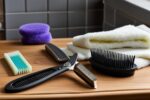
When it comes to choosing grooming tools, be sure to opt for those that are gentle and non-invasive. A soft-bristled brush or comb can be used to gently remove dirt and debris from your dog’s face, while a specially designed tear stain removal solution can help tackle stubborn stains.
Remember, the key to selecting the right grooming products is to opt for those that are safe, effective, and specifically formulated for your dog’s facial care needs.
Safe Techniques for Cleaning Around the Eyes
Cleaning around your dog’s eyes requires special care and attention to prevent discomfort or harm. Here are some safe and effective techniques for removing dirt and debris:
- Begin by carefully wiping the area around your dog’s eyes with a soft, damp cloth or cotton ball
- Gently use a comb or brush to remove any remaining debris from the fur around the eyes
- For tear stains, use a tear stain remover specifically designed for dogs. Apply the product to a clean soft cloth or cotton ball, and then gently rub around the eyes
- Be careful not to get any product or debris in the eyes, as this may cause irritation or infection
- Finally, use a clean, soft cloth or cotton ball to wipe away any remaining residue
Regular cleaning around the eyes is important for maintaining eye hygiene and preventing tear stains. If you notice any redness, swelling, or discharge from the eyes, consult with your veterinarian immediately.

Preventing and Minimizing Tear Stains
Tear stains not only look unsightly on your dog’s face but can also be a sign of underlying health issues. Here are some expert tips to help prevent and minimize tear stains:
Lifestyle Changes
Consider making some lifestyle changes to help reduce tear stains in your dog’s face. Some dietary considerations to implement include:
- Providing clean, fresh water at all times
- Avoiding giving your dog table scraps and treats containing grains and artificial ingredients
- Switching to a high-quality, grain-free diet
Dietary Supplements
Adding dietary supplements to your dog’s diet that support eye health can also help minimize tear stains:
- Vitamin C: An antioxidant that boosts immune function
- Vitamin E: Prevents damage to cell membranes and supports eye health
- Bioflavonoids: Helps reduce inflammation and boost immune function
Grooming Practices
Maintaining good grooming practices can also help reduce tear stains:
- Cleaning your dog’s face regularly with a gentle, hypoallergenic cleanser
- Trimming the hair around your dog’s eyes to prevent irritation and blockage of tear ducts
- Using a clean towel to dab around your dog’s eyes regularly
“Regular grooming practices and dietary changes can go a long way in preventing and minimizing tear stains in your dog’s face.”
The Role of Diet in Eye Health
Eating a balanced diet is not only important for your dog’s overall health but also plays a crucial role in maintaining their eye health. Several key nutrients can help support your dog’s eye health and keep their eyes clear and bright.
One such nutrient is vitamin A, which is crucial for maintaining healthy eyesight. Foods that are rich in vitamin A include liver, eggs, and leafy green vegetables like kale and spinach. Another essential nutrient for eye health is omega-3 fatty acids, which can be found in fish like salmon and tuna.
Antioxidants like vitamin C and E can also help maintain eye health by protecting cells from damage caused by free radicals. Vitamin C-rich foods like berries and sweet potatoes and vitamin E-rich foods like almonds and sunflower seeds can help meet your dog’s antioxidant needs.
It’s important to note that while diet can help support eye health, it’s not a substitute for proper eye hygiene and regular checkups with a veterinarian. A balanced diet should be combined with regular eye inspections and hygiene practices to keep your dog’s eyes healthy and free from infections.
“A balanced diet should be combined with regular eye inspections and hygiene practices to keep your dog’s eyes healthy and free from infections.”

Recommended Foods for Eye Health:
| Nutrient | Food Sources |
|---|---|
| Vitamin A | Liver, eggs, kale, spinach |
| Omega-3 Fatty Acids | Salmon, tuna |
| Vitamin C | Berries, sweet potatoes |
| Vitamin E | Almonds, sunflower seeds |
Regular Eye Inspections and Hygiene Practices
Eyes are one of the most sensitive organs in your dog’s body, so it’s essential to take good care of them. Regular eye inspections and hygiene practices will help prevent infections and keep your dog’s eyes healthy.
Step 1: Inspect the Eyes
The first step in maintaining eye hygiene is to inspect your dog’s eyes daily. Look for signs of redness, swelling, discharge or discharge that is yellow or green, which can indicate infection.
If you see anything unusual, consult with your veterinarian.
Step 2: Clean Around the Eyes
Use a soft cloth or cotton pads to wipe around your dog’s eyes gently. Be careful not to touch the eyes directly.
You could use a solution of water with a small amount of dog shampoo or a saline solution prepared for this purpose.
Be sure to change the cloth or pads frequently to avoid spreading any debris or infection.
After cleaning with a damp cloth, dry the area with a separate towel or tissue.
Step 3: Regular Grooming
Grooming your dog regularly can help prevent debris from getting into their eyes.
Trim any stray hair around the eyes or consider a shorter haircut to keep the hair from touching the eyes.
By following these simple steps, you can maintain your dog’s eye hygiene, prevent infections and ensure that your furry friend’s eyes remain healthy and sparkly!
Dealing with Common Eye Problems
While proper eye hygiene can greatly reduce the likelihood of eye problems, dogs can still develop issues with their eyes. It is important for pet owners to recognize the symptoms and know how to handle these common eye problems:
Conjunctivitis
Conjunctivitis, or pink eye, is a common eye problem in dogs. Symptoms include redness, swelling, discharge, and irritation. It can be caused by bacteria, viruses, allergies, or foreign objects in the eye. Treatment may include eye drops, antibiotics, and/or anti-inflammatory medications, as well as proper eye hygiene to prevent recurrence.
Cataracts
Cataracts are a clouding of the lens in the eye and can cause vision loss if left untreated. Symptoms include cloudy or opaque eyes, difficulty seeing in low light, and bumping into objects. While cataracts can be genetic, they can also be caused by injury, inflammation, or diseases such as diabetes. Treatment may include surgery to remove the cataracts, and it is important to monitor your pet’s eyes regularly to catch any changes.
Corneal Ulcers
Corneal ulcers are open sores on the outer layer of the eye and can be caused by scratch injuries, foreign objects, or infections. Symptoms include redness, squinting, and discharge. Treatment may include antibiotics, eye drops, and/or surgery, depending on the severity of the ulcer. It is important to seek veterinary care immediately, as untreated corneal ulcers can lead to vision loss or even require the removal of the eye.
Overall, maintaining proper eye hygiene and regular check-ups with a veterinarian are crucial for preventing and handling these common eye problems in dogs.

Grooming Tips for Dogs with Long Facial Hair
Dogs with long facial hair require special attention when it comes to grooming, as their hair can easily obscure their vision and cause hygiene issues. To ensure your furry friend’s comfort and well-being, follow these grooming tips:
“Keeping your dog’s facial hair trimmed and brushed is essential for preventing vision obstruction and promoting good hygiene.”
Trimming:
Regular trimming is important for dogs with long facial hair. It not only prevents the hair from getting into their eyes but also helps keep their face looking neat and tidy. Use a pair of scissors or clippers to cut the hair to the desired length. For better control, pull the hair gently away from your dog’s face and trim it in small sections.
Brushing:
Regular brushing is also essential for dogs with long facial hair. It not only keeps their hair tangle-free but also removes dirt and debris from their face. Use a soft-bristled brush or comb to brush your dog’s facial hair gently, starting from the top of their head and working your way down. Don’t forget to brush behind their ears, as that area can easily mat and tangle.
Moisturizing:
Long facial hair can become dry and brittle, especially in dry climates. To keep your dog’s facial hair healthy and shiny, apply a moisturizer specifically formulated for dogs. Avoid using human products, as they can irritate your dog’s skin.
Cleaning:
Clean your dog’s facial hair regularly to prevent odor and dirt buildup. Use a damp cloth or a dog-safe cleansing wipe and gently wipe their face, being careful not to get the product in their eyes. Avoid using harsh chemicals or soaps, as they can cause skin irritation.
By following these grooming tips, you can ensure that your dog’s long facial hair is well-maintained and free from vision obstruction and hygiene issues.
Additional Tips for a Well-Groomed Face
Proper canine facial care goes beyond regular cleaning and grooming. In this section, we share some additional tips to keep your dog’s face looking and feeling its best.
Maintaining Clean Ears
Maintaining clean ears is an essential part of good facial hygiene. Regularly wipe your dog’s ears with a damp cloth or cotton ball to remove dirt and debris. Avoid using Q-tips as they can push debris further into the ear canal. If you notice any discharge or foul odor, consult your veterinarian as it could indicate an infection.
Trimming Whiskers
Trimming your dog’s whiskers can enhance their facial appearance, but it’s important to do so carefully. Only trim the longest whiskers that may obstruct your dog’s vision. Use small scissors and work slowly, avoiding any sudden movements that could cause your dog discomfort.
| Tips for Trimming Whiskers | |
|---|---|
| Tip 1 | Start by trimming a little bit at a time and step back to assess the overall look. |
| Tip 2 | Hold your dog’s head steady with one hand while you trim with the other hand. |
| Tip 3 | Use a pair of blunt-nose scissors to avoid any accidental poking or stabbing. |
| Tip 4 | Give your dog a treat after each successful trimming session to reinforce good behavior. |
Keeping the Face Moisturized
Just like humans, dogs can suffer from dry skin, especially during the winter. To keep your dog’s face moisturized, apply a small amount of pet-safe moisturizer to their face, focusing on the snout and nose area. Avoid any products with fragrances or alcohol as they can irritate your dog’s skin.
By following these additional tips, you can ensure that your furry friend has the best canine facial care possible. A well-groomed and healthy face is a sure sign of a happy and well-loved dog.
Conclusion
In conclusion, proper eyes and face grooming is vital for your furry friend’s overall health and appearance. Keeping your dog’s face clean and free from tear stains not only enhances their looks but also prevents potential infections. By understanding the causes of tear stains and implementing regular face cleaning, you can promote eye hygiene and prevent other facial issues.
Choosing the right grooming products, practicing safe cleaning techniques, and incorporating a balanced diet can also contribute to maintaining a healthy face. Additionally, regular eye inspections and hygiene practices can help identify any underlying eye problems and address them promptly.
For dogs with long facial hair, trimming, brushing, and maintaining their facial hair correctly is crucial to prevent vision obstruction and hygiene issues. Lastly, maintaining clean ears, trimming whiskers, and keeping the face moisturized are additional tips for achieving a well-groomed face.
By following the expert tips and techniques outlined in this article, you can ensure your furry friend has sparkling eyes and a well-groomed face. Remember, a little grooming goes a long way in keeping your dog happy, healthy, and looking their best.
FAQ
How often should I clean my dog’s face?
It is recommended to clean your dog’s face at least once a day to remove dirt, debris, and prevent tear stains. However, the cleaning frequency may vary depending on your dog’s breed and individual needs. Consult with your veterinarian for specific recommendations.
Can I use regular soap or shampoo to clean my dog’s face?
No, it is not advisable to use regular soap or shampoo on your dog’s face. These products can be too harsh and may cause irritation or dryness. Use gentle, hypoallergenic facial cleansers or wipes specifically formulated for dogs to ensure it is safe for their sensitive facial skin.
How do I remove tear stains from my dog’s face?
To remove tear stains, use a tear stain remover solution or wipes that are specially designed for this purpose. Gently wipe the stained area, following the instructions on the product. Regular use combined with proper grooming practices can help minimize and prevent tear stains.
What should I do if my dog has an eye infection?
If you suspect your dog has an eye infection, it is important to seek veterinary care. Eye infections can be serious and may require specific treatment. Avoid using over-the-counter remedies without professional guidance, as they may worsen the condition.
Can I trim the hair around my dog’s eyes by myself?
Trimming the hair around your dog’s eyes should be done with caution. It is recommended to seek professional grooming services for this task, especially if you are inexperienced. Professionals are trained to handle delicate areas and minimize the risk of injury to your dog’s eyes.