Search and Rescue Dogs: Heroes in Disaster Relief
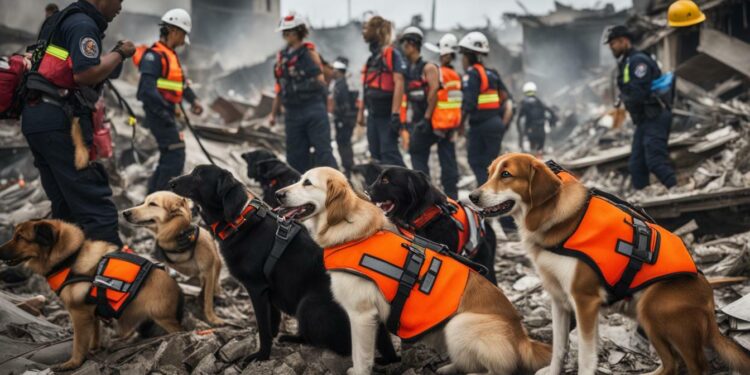
Search And Rescue Dogs: Utilizing their exceptional sensory capabilities to locate and save trapped individuals. These canine heroes possess a remarkable sense of smell and acute hearing, enabling them to detect victims in rubble or collapsed structures. With their agility and versatility, they navigate challenging areas that may be inaccessible to humans, increasing the chances of saving lives.
By being there, these dogs help injured patients and their handlers feel better. Disaster victims feel less tension and anguish with their presence. Through rigorous training, search and rescue dogs work efficiently alongside human teams, becoming reliable and vital members of rescue operations.
Dogs like Bretagne, Riley, Coby & Guinness, Apollo, Thunder, Sage, Trakr, and Jake played significant roles in the rescue efforts, demonstrating the potential of canine-human partnerships in times of crisis.
These remarkable dogs have been honored through statues, memorials, and artistic tributes, symbolizing their resilience and solidarity amidst adversity. With their exceptional sense of smell and tracking abilities, search and rescue dogs play a crucial role in locating survivors or human remains in disaster situations.
From a young age, these dogs undergo training and work alongside their handlers, who are often professionals in law enforcement or emergency response. After years of dedicated service, these canine heroes retire and enjoy a well-deserved retirement as part of their handler’s family.
Their sensory capabilities, agility, emotional support, and inherent dedication make them invaluable assets in rescue operations.
The Acute Senses of Search and Rescue Dogs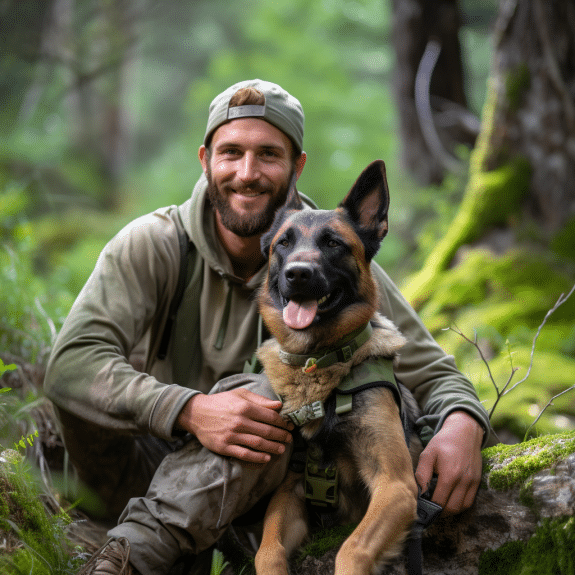
Search and rescue dogs possess remarkable sensory capabilities, including a highly developed sense of smell and acute hearing, enabling them to locate individuals in challenging environments. Their extraordinary sense of smell allows them to detect scents even in the smallest quantities, making them invaluable in locating survivors buried under rubble or trapped in collapsed structures. These dogs can pick up on faint odors that humans cannot perceive, helping search and rescue teams narrow down their efforts and increase the chances of successful rescues.
Their ears are finely tuned to detect sounds beyond the range of human perception, enabling them to identify faint cries for help or other signs of life amidst chaotic disaster scenes. This heightened auditory capability allows them to quickly pinpoint the location of individuals in need, making their search efforts more efficient and effective.
Rigorous Training
Such sensory abilities greatly improve disaster relief efforts and save lives. Search and rescue dogs are rigorously trained from a young age to use their senses in disasters.
| Remarkable Sensory Capabilities of Search and Rescue Dogs |
|---|
| Highly developed sense of smell |
| Acute hearing |
| Ability to detect scents and sounds beyond human perception |
| Efficiently locate individuals in challenging environments |
Search and rescue dogs help disaster relief efforts with their keen senses of scent and hearing. These extraordinary dogs support rescue operations and demonstrate the incredible role dogs play in saving lives in emergencies.
Navigating Challenging Areas with Agility and Versatility
With their agility and versatility, search and rescue dogs can navigate challenging areas that may be inaccessible to humans, increasing the chances of saving lives in difficult and dangerous environments. These incredible canines are trained to maneuver through rubble, collapsed structures, and other hazardous terrains with ease, making them invaluable assets in disaster relief operations.
Their physical abilities are remarkable. Search and rescue dogs are known for their nimbleness and ability to traverse unstable or confined spaces. They can squeeze through tight gaps, climb over debris, and even scale vertical surfaces if necessary. Their exceptional agility allows them to reach survivors or victims in hard-to-reach locations, where human rescuers may struggle to access.
From navigating flooded areas to balancing on unstable surfaces, search and rescue dogs possess the adaptability necessary to overcome any challenge that arises.
They are trained to remain focused, even in chaotic and high-stress environments. Their unwavering determination and resilience enable them to stay on task, aiding in the successful completion of search and rescue operations.
| Agility | Versatility |
|---|---|
| Ability to navigate unstable or confined spaces | Adaptability to various situations and obstacles |
| Squeezing through tight gaps and climbing over debris | Handling flooded areas and unstable surfaces |
| Scaling vertical surfaces if necessary | Remaining focused in chaotic and high-stress environments |
Their physical and mental capabilities make them indispensable in disaster relief operations, increasing the chances of saving lives in difficult and dangerous environments.
Providing Emotional Support and Companionship
SAR dogs help disaster victims and relief personnel cope with stress and trauma by providing mental support.
These wonderful pets can instinctively sense people’s emotions and comfort them. Being there can assist catastrophe victims in coping with the upheaval. These dogs relax and reassure people in stressful situations with gentle pushes, reassuring licks, or quiet sitting.
For victims who may be injured, trapped, or grieving the loss of loved ones, the unconditional love and warmth provided by search and rescue dogs can be a source of immense comfort. These animals are trained to approach individuals with gentleness and compassion, offering a much-needed emotional buoyancy in times of despair. Their ability to form strong bonds with humans strengthens the resilience and coping abilities of those affected, enabling them to navigate the difficult path of recovery.
Quotes:
“When I felt like I couldn’t go on, the presence of the search and rescue dogs gave me the strength to keep pushing forward. Their unconditional love was a reminder that even in the darkest of times, there is still a glimmer of hope.” – A survivor of a natural disaster
“The emotional support provided by search and rescue dogs cannot be overstated. They have an uncanny ability to sense our pain and offer comfort in ways that humans sometimes can’t. They truly are heroes in every sense of the word.” – A rescue team member
The Role of Companionship:
Human responders can get emotionally exhausted and burnt out from their intense work hours. Dogs can become trusted confidants and sources of strength for their handlers and team members. These dogs create a positive work environment that enhances teamwork and effectiveness. Search and rescue canines are heroes for their physical abilities and emotional aid.
| Benefits of Emotional Support and Companionship | Role of Search and Rescue Dogs |
|---|---|
| Alleviates stress and trauma | Provide comfort and reassurance in disaster situations |
| Strengthens resilience and coping abilities | Form strong bonds with victims and rescue teams |
| Enhances emotional well-being | Offer companionship to those involved in rescue operations |
| Promotes teamwork and camaraderie | Create a positive and supportive work environment |
Rigorous Training for Canine-Human Partnerships
Search and rescue dogs undergo rigorous training to establish efficient and effective canine-human partnerships, ensuring their seamless integration into disaster relief operations. This training begins at a young age and focuses on developing the dogs’ specialized skills and abilities for rescue scenarios. It encompasses a wide range of areas, including obedience, agility, scent tracking, and search techniques.
The training programs for search and rescue dogs are structured and rigorous, designed to simulate real-life disaster situations as closely as possible. These dogs are taught to remain calm and focused in high-stress environments, allowing them to perform their tasks effectively. They are trained to respond to specific verbal and non-verbal cues from their handlers, enabling them to work harmoniously as a team.
One of the key aspects of their training is establishing a strong bond and trust between the dog and its handler. Handlers, who are often professionals in law enforcement or emergency response, play a vital role in shaping the behavior and skills of search and rescue dogs.
Throughout their training, search and rescue dogs undergo rigorous assessments and evaluations to ensure their readiness for real-life disaster situations. Only those dogs that demonstrate exceptional skills and aptitude move on to become certified search and rescue dogs.
| Training Areas | Skills Developed |
|---|---|
| Obedience | Response to commands, discipline, and focus |
| Agility | Navigating different terrains and obstacles |
| Scent Tracking | Locating trapped individuals or human remains |
| Search Techniques | Systematic searching methods for maximum coverage |
Search and rescue dogs undergo intensive training to develop their specialized skills, creating a partnership with their handlers that is built on trust and effective communication. This training prepares them to face the challenges of disaster relief operations, where their presence can make a life-saving difference.
Canine-Human Partnerships in Action
The canine-human partnerships formed through rigorous training are essential for the success of these operations. Working side by side, search and rescue dogs and their handlers are able to cover large areas efficiently, maximize search efforts, and locate survivors or human remains with remarkable accuracy.
These partnerships exemplify the incredible bond and synergy that can be achieved between humans and dogs. Their shared goal of saving lives drives their unwavering dedication and commitment to the mission at hand.
| Benefits of Canine-Human Partnerships |
|---|
| Efficient coverage of large areas |
| Enhanced search and rescue capabilities |
| Improved accuracy in locating survivors or human remains |
| Increased chances of saving lives |
These highly trained dogs, with their specialized skills and unwavering dedication, exemplify the potential of collaboration between humans and animals. Their ability to navigate challenging terrains, locate trapped individuals, and provide support in times of crisis is a testament to the important role they play in saving lives and offering hope in the face of adversity.
9/11 Search And Rescue Dogs’ Bravery
The 9/11 attacks showcased the heroic efforts of search and rescue dogs, with dogs like Bretagne, Riley, Coby & Guinness, Apollo, Thunder, Sage, Trakr, and Jake playing significant roles in the rescue operations. These brave canine heroes fearlessly and tirelessly worked alongside human teams to locate survivors and provide hope amidst the devastation.
One such hero was Bretagne, who at the age of two, joined the search and rescue mission at Ground Zero. Working tirelessly for ten days, she helped locate and recover victims, providing comfort and solace to their families. Her story is a testament to the resilience and unwavering spirit of search and rescue dogs.
Federal Emergency Management Agency
He played a crucial role in locating trapped individuals, aiding in their safe evacuation. Riley’s acute sense of smell and agility allowed him to navigate the challenging environment with ease, helping to save countless lives.
| Dog | Role | Contribution |
|---|---|---|
| Coby & Guinness | NY Police Department | Located survivors and assisted in the recovery process |
| Apollo | Port Authority of New York and New Jersey Police Department | Assisted in search and rescue operations, providing comfort to victims |
| Thunder | NY Port Authority | Located survivors and human remains, aiding in the identification process |
| Sage | NYPD Emergency Service Unit | Found survivors and provided emotional support to victims |
| Trakr | Halifax Regional Police Department | Discovered the last survivor in the rubble, saving a life |
| Jake | Utah Task Force 1 | Assisted in the search and recovery of human remains, bringing closure to families |
These dogs, along with many others, demonstrated immense bravery and unwavering dedication in the face of adversity.
Search and rescue dogs are important in disaster relief efforts. They locate survivors and provide emotional support. These dogs are heroes who have made a big impact on the lives of many people affected by the 9/11 attacks.
Honoring Canine Heroes
Search and rescue dogs have been honored through statues, memorials, and artistic tributes, symbolizing their resilience and solidarity as canine heroes in times of crisis. These tributes serve as powerful reminders of the invaluable contributions these remarkable dogs make in disaster relief efforts.
Statues dedicated to search and rescue dogs can be found in various cities across the United States. These statues capture the strength and determination of these canine heroes, showcasing their unwavering commitment to saving lives. One such statue, located in a prominent park, depicts a search and rescue dog in action, with its head held high and a look of unwavering determination in its eyes.
“These tributes serve as powerful reminders of the invaluable contributions these remarkable dogs make in disaster relief efforts.”
These memorials provide a space for reflection and remembrance, honoring the lives that these dogs have saved and the impact they have had on countless individuals and communities. Visitors can pay their respects and learn about the heroic stories of these canine heroes through exhibits and educational displays.
Artistic tributes
Paintings, photographs, and sculptures capture the essence of these dogs’ work, portraying their courage and dedication.
As the saying goes, “A picture is worth a thousand words.” Artistic tributes allow us to capture the spirit and impact of search and rescue dogs in a visually compelling way.
| Statue | Location |
|---|---|
| Search and Rescue Dog | Central Park, New York City |
| Dedication to Heroes | Washington D.C. |
| Remembrance | San Francisco, California |
Exceptional Sense of Smell and Tracking Abilities
These dogs are trained to follow specific scents, which helps them track individuals who may be trapped or buried under debris. They can focus on the smell of a particular individual, ignoring other smells.
A study by the University of Pennsylvania’s Working Dog Center showed that search and rescue dogs can detect the odor of human remains buried 9 feet underground, even after several months.
This demonstrates the incredible capabilities of these dogs in locating victims in challenging and complex scenarios.
| Advantages of a Dog’s Sense of Smell |
|---|
| Ability to detect scents undetectable by humans |
| Capacity to differentiate between different scents |
| Tracking abilities that lead to precise location of individuals |
They are accurate and efficient in finding survivors or human remains, which is important for successful rescue operations. This ultimately saves lives.
Training and Partnership with Handlers
Dogs trained for search and rescue work closely with their handlers, who are usually police or emergency workers. The dogs undergo rigorous training to prepare them for their important role in disaster relief efforts. This training is essential to ensure that the dogs have the skills and behaviors needed to do their job well.
The training process for search and rescue dogs is rigorous and comprehensive. It begins at a young age, where they are exposed to various scenarios and environments to develop their adaptability and problem-solving skills. They are trained to follow commands and navigate through challenging terrains, including rubble, debris, and collapsed structures.
The partnership between the dogs and their handlers is built on trust, teamwork, and effective communication. Handlers work closely with the dogs to understand their behaviors, strengths, and limitations.
| Training Methods | Handler Contributions |
|---|---|
|
|
“The bond between a search and rescue dog and its handler is based on mutual respect and trust. We rely on each other in high-stress situations, and the partnership we form is essential in saving lives.” – Search and Rescue Handler
They invest countless hours in training, caring for, and developing a strong relationship with their canine partners. The handlers often have specialized knowledge in search and rescue techniques, disaster response protocols, and the coordination of rescue efforts.
Importance of Partnership in Disaster Relief
Search and rescue dogs and their walkers are crucial to crisis assistance for numerous reasons. First and foremost, the canines’ strong senses and rigorous training help them identify people in risky locations. Second, handlers’ awareness of the dogs’ skills helps them plan rescue missions and make appropriate decisions.
Search and rescue dogs are important in disasters. They help rescue people more effectively. Handlers and dogs work together as a team. They save lives and give hope.
| Benefits of the Canine-Human Partnership | Handlers’ Responsibilities |
|---|---|
|
|
Using skilled dogs and handlers together is powerful in saving lives and comforting those impacted by disasters.
Retirement and Well-Deserved Rest
Search and rescue dogs retire after years of service. They become cherished members of their handler’s family. These dogs deserve a retirement filled with love, care, and relaxation. They transition from being heroes to beloved companions. They enjoy a life of leisure and comfort. Retired search and rescue dogs form a special bond with their handlers. They receive love and care in their retirement. These dogs leave behind a legacy of courage, resilience, and dedication.
Dogs are important in disaster relief. They can go to difficult places that humans can’t go, which makes rescues more successful. Handlers and communities love them.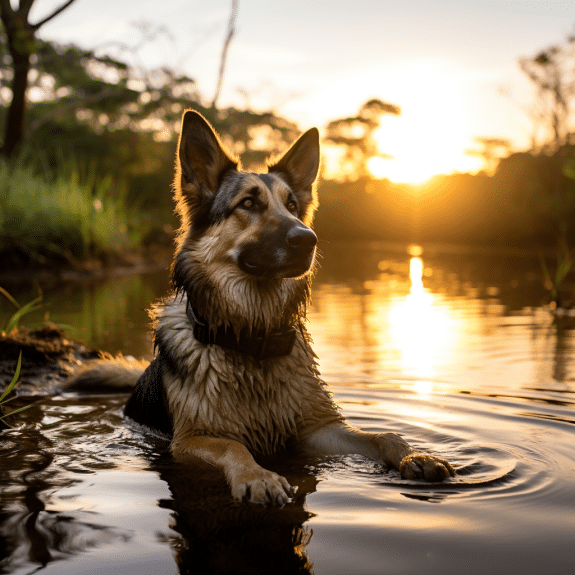
Conclusion
Their presence helps alleviate the stress and trauma associated with disaster situations, fostering a sense of calm amidst chaos.
These canine heroes undergo rigorous training to work efficiently alongside human teams. They begin training at a young age to become trustworthy and important members of rescue teams. Search and rescue dogs played a vital role in the 9/11 attacks.
These dogs have received recognition for their heroic efforts, and they represent resilience and solidarity. They possess exceptional abilities in smell and tracking, which help locate survivors and human remains.
Search and rescue dogs work closely with their handlers, who are professionals in law enforcement or emergency response. After retirement, they become part of their handler’s family. Their legacy serves as a reminder of the significant impact they have made in disaster relief and saving lives.
FAQ
Q: What role do search and rescue dogs play in disaster relief efforts?
Search and rescue dogs are important in disasters. They have special abilities that help with rescuing and finding people.
Q: What sensory capabilities do search and rescue dogs possess?
A: Search and rescue dogs can smell and hear well.
Q: How do SAR dogs handle harsh situations?
Search and rescue dogs are flexible and can move around easily. They can go to hard-to-reach places that people can’t.
Q: Do search and rescue dogs provide emotional support?
A: Search and rescue dogs are buddies and emotional support for catastrophe victims and relief personnel.
Q: How are search and rescue dogs trained?
A: Search and rescue dogs undergo rigorous training to work efficiently alongside human teams in disaster relief operations.
Q: After 9/11, which search and rescue canines stood out?
The 9/11 rescue dogs were Bretagne, Riley, Coby, Guinness, Apollo, Thunder, Sage, Trakr, and Jake.
Q: How are search and rescue dogs honored?
Sculptures, plaques, and other art celebrate search and rescue dogs. These demonstrate you value their bravery and kindness.
Q: What do search and rescue dogs do to help find people who are still alive?
Search and rescue dogs are important in disasters. They have a good sense of smell and can track well. They help find survivors or human remains.
Q: Who are the handlers of search and rescue dogs?
A: Search and rescue dogs work alongside their handlers, who are often professionals in law enforcement or emergency response.
Q: What do search and rescue dogs do when they stop working?
Rescue dogs are no longer needed. They’ve worked hard for years and earn a good reward. They become family to the person who keeps them.