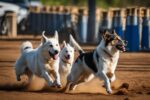
Nipping Aggression in the Bud: Strategies for Preventing Dog Aggression

Dog aggression is a common issue that can arise in various situations. Understanding the strategies for preventing aggression in dogs is crucial for fostering a safe and harmonious pet environment. By analyzing factual data from different sources, we can explore effective approaches to address and eliminate aggressive behavior in dogs.
Aggression in dogs can be triggered by a range of factors. It is essential to identify these triggers to effectively prevent aggression. According to a study published in the Journal of Applied Animal Welfare Science, common aggression triggers include fear, resource guarding, territoriality, and frustration. By recognizing these triggers, dog owners can implement preventive measures and training techniques to address the underlying causes of aggression.
Behavior modification is an integral part of preventing aggression in dogs. Positive reinforcement training methods, such as reward-based training, have been proven effective in reducing aggressive behavior. An article on the American Society for the Prevention of Cruelty to Animals (ASPCA) website suggests implementing desensitization and counterconditioning to change a dog’s negative association with aggression triggers. Consultation with a professional dog trainer or animal behaviorist can provide individualized guidance for behavior modification techniques based on the specific needs of the dog.
Preventing aggression in dogs is essential for creating a safe and harmonious living environment for both the dog and its owners. By understanding aggression triggers and implementing behavior modification techniques, aggressive behavior can be effectively addressed and minimized. It is crucial to approach the issue with patience, consistency, and appropriate professional guidance. With the right strategies and techniques, it is possible to nip aggression in the bud and foster a calm and well-behaved canine companion.
Understanding Aggression Triggers
Aggression in dogs can stem from various triggers that provoke their aggressive behavior. Identifying these triggers is crucial in preventing aggression and maintaining a safe environment for both the dog and its owners. A study published in the Journal of Applied Animal Welfare Science highlights several common aggression triggers that dog owners should be aware of.
Fear
Fear is one of the most prevalent triggers for aggression in dogs. When a dog senses a threat or feels scared, it may react aggressively as a defense mechanism. This can manifest as growling, barking, or even biting. Understanding what triggers fear in your dog is essential for preventing aggression related to fear.
Resource Guarding
Resource guarding refers to a dog’s protective behavior towards its possessions, such as food, toys, or sleeping areas. When a dog perceives a threat to its resources, it may become aggressive as a means of defending them. Recognizing signs of resource guarding and addressing it through proper training can help prevent aggression in such situations.
Territoriality
Dogs are naturally territorial, and they may exhibit aggressive behavior when they perceive intrusions into their territory. This can include their homes, yards, or even their owners. Understanding your dog’s territorial triggers and implementing appropriate training techniques can help manage and prevent territorial aggression.
Frustration
Frustration can also trigger aggression in dogs. This often occurs when a dog is prevented from achieving a desired outcome or when its expectations are not met. Dogs may display aggression as a result of their frustration. Recognizing signs of frustration in your dog and providing alternative outlets for their energy and needs can help mitigate such aggression triggers.
By understanding these common aggression triggers, dog owners can take proactive measures to prevent aggression in their pets. It is essential to create a positive and supportive environment for dogs, addressing their fears, resource guarding tendencies, territorial instincts, and frustration. Recognizing and managing these triggers through proper training and behavior modification techniques will contribute to a safer and more peaceful coexistence between dogs and their owners.
| Aggression Triggers | Description |
|---|---|
| Fear | Aggression triggered by the dog’s fear or perception of threat. |
| Resource Guarding | Aggression triggered by the dog’s protective behavior towards its possessions. |
| Territoriality | Aggression triggered by the dog’s defense of its territory. |
| Frustration | Aggression triggered by the dog’s inability to achieve desired outcomes. |
Behavior Modification Techniques
Behavior modification is an essential aspect of preventing aggression in dogs. By implementing effective techniques, dog owners can reshape their pet’s behavior and reduce aggressive tendencies. Positive reinforcement training methods, such as reward-based training, have proven to be highly effective in modifying behavior and promoting positive outcomes.
One approach that can be utilized is desensitization and counterconditioning. This technique involves gradually exposing the dog to the aggression triggers in a controlled environment while pairing it with positive experiences or rewards. For example, if a dog shows aggression towards strangers, the owner can gradually introduce the dog to unfamiliar individuals while providing treats or praise to create a positive association.
Consulting with a professional dog trainer or animal behaviorist is highly recommended when implementing behavior modification techniques. These experts can provide individualized guidance based on the specific needs of the dog and the severity of the aggression. They can design a personalized training plan to address the underlying causes of aggression and ensure consistent progress.
Key Behavior Modification Techniques for Preventing Aggression in Dogs:
- Positive reinforcement training methods
- Desensitization and counterconditioning
- Consultation with a professional dog trainer or animal behaviorist
By employing these behavior modification techniques and seeking professional guidance, dog owners can effectively prevent aggression and create a safe and harmonious environment for their furry companions. It is important to approach the process with patience, consistency, and empathy, as behavior modification takes time and dedication.
| Technique | Description |
|---|---|
| Positive Reinforcement Training | A method that rewards desired behavior to encourage its repetition. Treats, praise, and toys are used as positive reinforcers. |
| Desensitization | A technique that gradually exposes the dog to aggression triggers, allowing them to become less reactive through controlled and positive experiences. |
| Counterconditioning | The act of replacing the negative association or response to aggression triggers with a positive one by pairing them with rewards or pleasant stimuli. |
| Consultation with Professionals | Seeking guidance from professional trainers or behaviorists who can provide expert advice and develop personalized training plans. |
Implementing these behavior modification techniques in a consistent and structured manner can lead to significant improvements in a dog’s behavior. Remember, preventing aggression in dogs requires a holistic approach that addresses the underlying causes and promotes positive reinforcement.
Conclusion
Preventing aggression in dogs is crucial for creating a safe and harmonious living environment for both the dog and its owners. By understanding aggression triggers and implementing behavior modification techniques, aggressive behavior can be effectively addressed and minimized.
Aggression in dogs can be triggered by various factors, including fear, resource guarding, territoriality, and frustration. Identifying these triggers is the first step in preventing aggression. By recognizing the specific triggers for an individual dog, owners can implement preventive measures and training techniques to address the underlying causes of aggression.
Behavior modification plays a vital role in preventing aggression in dogs. Positive reinforcement training methods, such as reward-based training, have proven to be effective in reducing aggressive behavior. Desensitization and counterconditioning can also be used to change a dog’s negative association with aggression triggers.
While understanding and implementing these techniques is beneficial, it is essential to seek professional guidance to tailor behavior modification strategies to the specific needs of the dog. Consulting with a professional dog trainer or animal behaviorist can provide valuable insights and individualized guidance for preventing aggression and promoting positive behavior in dogs.
FAQ
What are some common triggers for aggression in dogs?
Common aggression triggers in dogs include fear, resource guarding, territoriality, and frustration.
How can I prevent aggression in my dog?
To prevent aggression in dogs, it is important to identify the triggers and implement behavior modification techniques. Consultation with a professional dog trainer or animal behaviorist can provide individualized guidance.
What is positive reinforcement training and how can it help reduce aggression?
Positive reinforcement training involves rewarding desired behaviors and is effective in reducing aggressive behavior in dogs. It focuses on creating positive associations and rewarding good behavior.
What can I do if my dog displays aggression towards certain triggers?
If your dog displays aggression towards certain triggers, implementing desensitization and counterconditioning techniques may help change their negative association with those triggers. Consulting a professional can provide guidance on the specific techniques to use.
How important is consistency in preventing aggression in dogs?
Consistency is crucial in preventing aggression in dogs. Dogs thrive on routine and clear guidelines, so consistent training methods and expectations help them understand boundaries and expectations.
Can aggression in dogs be completely eliminated?
While it may not be possible to completely eliminate aggression in all dogs, with proper prevention strategies, behavior modification techniques, and professional guidance, aggressive behavior can be effectively addressed and minimized.