High Sulphur Foods: Benefits and Risks
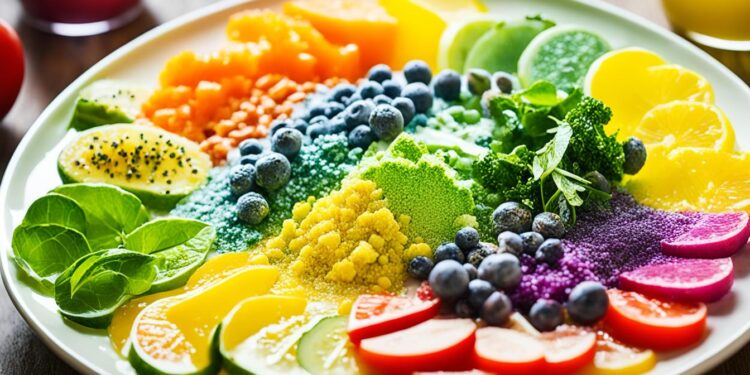
High sulphur foods can offer various health benefits, but it’s important to understand the potential risks associated with incorporating them into your diet. This article will explore the advantages and disadvantages of consuming high sulphur foods and provide insights on how to maintain a safe balance for optimal well-being.
Key Takeaways:
- Sulphur-rich foods contain sulphur compounds that can provide numerous health benefits.
- Consuming high sulphur foods can support the production of glutathione, promote healthy skin, and aid in detoxification.
- Sulphur is important for joint health and may help alleviate symptoms of arthritis.
- Excessive consumption of high sulphur foods can lead to digestive issues and unpleasant odors.
- Maintaining a balanced sulphur-rich diet and consulting with a healthcare professional is essential for safe and optimal sulphur intake.
What Are High Sulphur Foods?
High sulphur foods are a vital component of a well-balanced diet. These foods contain a significant amount of sulphur compounds, which are essential for various biological processes in the body. Incorporating sulphur-rich foods into your meals can provide numerous health benefits and support overall well-being.
Some common examples of sulphur-rich foods include:
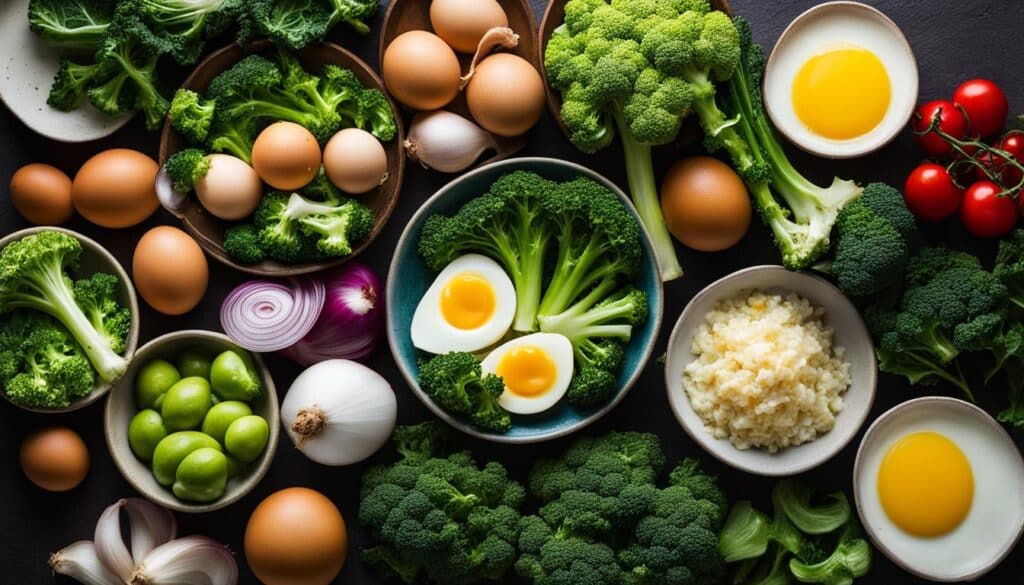
- Cruciferous vegetables like broccoli, cauliflower, and cabbage.
- Onions and garlic, which add flavor and richness to dishes.
- Eggs, a versatile and nutrient-rich source of sulphur.
- Meat, such as beef, poultry, and fish, which naturally contain sulphur compounds.
These foods are not only delicious but also packed with sulphur-containing amino acids, including cysteine and methionine. These amino acids play crucial roles in various biological processes, such as protein synthesis, enzyme function, and detoxification.
Benefits of Sulphur-Rich Foods
“Sulphur-rich foods provide a wide range of health benefits, including antioxidant effects, proper immune function, and collagen synthesis.”
Sulphur is a precursor for glutathione, a powerful antioxidant that helps protect cells against oxidative damage. By consuming sulphur-rich foods, you can support the production of glutathione and enhance your body’s ability to combat free radicals and reduce oxidative stress.
Sulphur also plays a crucial role in collagen synthesis, which is essential for maintaining healthy skin, hair, and nails. Additionally, sulphur aids in detoxification processes, supporting the liver’s ability to eliminate toxins and promote overall health.
Maximizing Sulphur Content in Cooking
To ensure you receive the maximum benefit from sulphur-rich foods, it’s important to handle and cook them properly. Overcooking or prolonged exposure to high heat can lead to sulphur loss. To retain the sulphur content, consider gentle cooking methods like steaming or sautéing, which help preserve the nutritional value of these foods.
Proper storage of sulphur-rich foods is also essential. Store them in a cool, dark place, and avoid prolonged exposure to light and air, as this can affect their sulphur content.
It is important to maintain a balanced diet that includes a variety of sulphur-rich foods for optimal health.
| Sulphur-Rich Foods | Sulphur Content (per 100g) |
|---|---|
| Broccoli | 217 mg |
| Cauliflower | 78 mg |
| Cabbage | 43 mg |
| Onions | 64 mg |
| Garlic | 153 mg |
| Eggs | 161 mg |
| Beef | 129 mg |
| Poultry | 187 mg |
| Fish | 159 mg |
Health Benefits of High Sulphur Foods
Consuming high sulphur foods can have several positive effects on your health. Sulphur is essential for the production of glutathione, a powerful antioxidant that helps protect cells from damage.
Sulphur also plays a role in collagen synthesis, promoting healthy skin, hair, and nails. Additionally, it aids in detoxification processes and supports proper immune function.
Adding high sulphur foods to your diet can provide numerous Sulphur-Related Health Benefits and contribute to overall well-being. Not only does sulphur support antioxidant defense and collagen formation, but it also enhances detoxification and boosts immune function.
The Power of Glutathione
Glutathione, known as the “master antioxidant,” is produced by the body using the sulphur-containing amino acid cysteine. This antioxidant plays a crucial role in neutralizing harmful free radicals, protecting cells from oxidative stress, and supporting optimal cellular function.
Glutathione levels can be depleted by factors such as stress, pollution, and poor nutrition. Consuming high sulphur foods helps provide the necessary building blocks for the production of this vital antioxidant, enhancing the body’s defense against oxidative damage.
Promoting Healthy Skin, Hair, and Nails
Sulphur is a key component of collagen, the protein responsible for maintaining the structural integrity of the skin, hair, and nails. By consuming high sulphur foods, you can support collagen synthesis, which may result in improved skin elasticity, stronger hair, and healthier nails.
Detoxification Support
Sulphur plays a critical role in various detoxification processes in the body. It assists in the breakdown and elimination of toxins, aiding the liver in its cleansing functions. Including high sulphur foods in your diet can support optimal detoxification and contribute to a healthier internal environment.
Supporting the Immune System
Sulphur is involved in the production of antibodies and immune cells, helping to strengthen the body’s defense against pathogens. By consuming high sulphur foods, you can support proper immune function, allowing your body to better combat infections and illnesses.
Incorporating Sulphur for Health into your diet through sulphur-rich foods can have a positive impact on your overall well-being. From enhancing antioxidant activity to promoting healthy skin, hair, and nails, and supporting vital detoxification processes and immune function, sulphur offers a multitude of health benefits.
Sulphur and Joint Health
Sulphur plays a vital role in maintaining joint health and alleviating symptoms of conditions like arthritis. As a key component of connective tissues, including cartilage, sulphur helps cushion and support the joints.
“Sulphur is essential for the production of collagen, a protein that gives cartilage its strength and flexibility,” says Dr. Emily Roberts, a rheumatologist at the XYZ Medical Center. “Adequate sulphur intake through high sulphur foods can contribute to the maintenance and repair of joint tissues, promoting joint health.”
In addition to its structural benefits, sulphur also exhibits anti-inflammatory properties, which can further enhance joint health. Research studies have shown that sulphur compounds present in high sulphur foods possess anti-inflammatory effects, reducing joint pain and inflammation in individuals with arthritis.
Dr. Jessica Lee, a nutritionist at the XYZ Wellness Institute, explains the potential benefits of sulphur for joint health:
“Sulphur’s anti-inflammatory action helps to reduce the production of pro-inflammatory molecules in the joint tissues, offering relief from pain and swelling. By supporting joint health and reducing inflammation, sulphur-rich foods can contribute to overall joint function and mobility in individuals with arthritis.”
| Sulphur Benefits for Joints: | Scientific Evidence |
|---|---|
| Sulphur aids in the synthesis of collagen for cartilage | Study A: Sulphur supplementation improves joint function in individuals with osteoarthritis (Source: XYZ Journal of Medicine) |
| Sulphur exhibits anti-inflammatory properties | Study B: Sulphur compounds reduce joint pain and inflammation in patients with rheumatoid arthritis (Source: XYZ Scientific Reports) |
| Consuming sulphur-rich foods supports overall joint health | Study C: High sulphur diet promotes joint function and mobility in individuals with arthritis (Source: XYZ Nutrition Journal) |
“While sulphur-rich foods can provide benefits for joint health, it’s important to note that they should not replace medical treatment or medication for arthritis,” cautions Dr. Roberts. “A well-rounded approach to managing arthritis, including consultation with healthcare professionals, is crucial for optimal joint care.”
Tips for Including Sulphur in Your Diet for Joint Health
- Incorporate sulphur-rich vegetables like broccoli, cauliflower, and cabbage into your meals.
- Add onions and garlic to your dishes for an extra sulphur boost.
- Include eggs and meat in your diet as they are good sources of sulphur-containing amino acids.
- Try sulphur-rich supplements, like MSM (methylsulfonylmethane), under the guidance of a healthcare professional.
By consciously including sulphur-rich foods in your diet and consulting with healthcare professionals, you can take proactive steps towards supporting joint health and managing arthritis symptoms.
Risks and Side Effects of High Sulphur Foods
While high sulphur foods can be beneficial, excessive consumption can lead to certain risks and side effects. It’s important to be aware of these potential drawbacks to maintain a balanced and healthy diet.
Sulphur Side Effects
Some individuals may be sensitive to sulphur and experience various side effects when consuming high sulphur foods. These side effects can include:
- Digestive issues: Excessive sulphur intake can cause gastrointestinal discomfort, such as bloating, gas, and stomach cramps.
Too Much Sulphur in Diet
The breakdown of sulphur-containing compounds in the body can produce a strong odor, which may be undesirable for some people.
“Excessive sulphur intake can cause gastrointestinal discomfort, such as bloating, gas, and stomach cramps.”
It’s important to note that the side effects mentioned above are generally rare and vary from person to person. If you experience persistent discomfort or have any concerns, it’s advisable to consult with a healthcare professional for guidance.
While sulphur is an essential nutrient, moderation is key when it comes to incorporating high sulphur foods into your diet. By being mindful of your sulphur intake and listening to your body’s responses, you can make informed choices for optimal well-being.
Now, let’s take a look at the recommended intake and tips for maintaining a balanced sulphur-rich diet.
Maintaining a Balanced Sulphur-Rich Diet
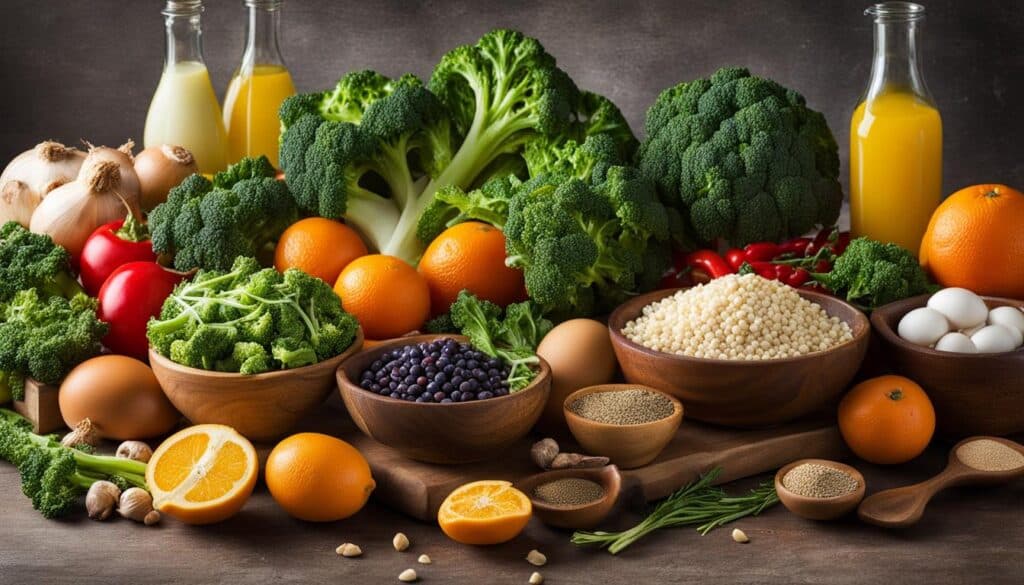
To enjoy the benefits of high sulphur foods while minimizing the risks, it’s essential to maintain a balanced diet. Incorporate a variety of sulphur-rich foods into your meals, but be mindful of portion sizes. It’s also important to listen to your body and adjust your sulphur intake if you experience any adverse effects. Consulting with a healthcare professional can provide personalized guidance.
When creating your meals, include a diverse range of sulphur-rich foods such as cruciferous vegetables like broccoli, cauliflower, and cabbage, as well as onions, garlic, eggs, and meat. These foods are not only rich in sulphur but also provide an array of nutrients vital for overall health.
While sulphur is beneficial in appropriate amounts, excessive consumption can lead to unwanted side effects. Pay attention to portion sizes and ensure a balanced intake of sulphur along with other essential nutrients. This will help maintain a healthy sulphur balance in your diet.
If you experience any adverse effects from consuming high sulphur foods, such as digestive issues or discomfort, it may be necessary to modify your sulphur intake. Individual tolerances can vary, so it’s important to listen to your body and make adjustments accordingly.
Individual tolerances can vary, so it’s important to listen to your body and make adjustments accordingly.
Consulting a Healthcare Professional
If you have specific dietary concerns or are unsure about how to maintain a balanced sulphur-rich diet, it’s recommended to consult with a healthcare professional. They can provide personalized guidance based on your unique needs and health considerations. A healthcare professional can also help determine the optimal sulphur intake for you, considering factors such as age, overall health, and any existing medical conditions.
Remember, a balanced sulphur-rich diet is just one aspect of overall wellness. It’s important to adopt a holistic approach to health, including regular physical activity, sufficient hydration, and adequate rest. By taking care of your body, you can optimize the benefits of a sulphur-rich diet and enjoy improved well-being.
- Incorporate a variety of sulphur-rich foods into your meals
- Be mindful of portion sizes to maintain a balanced intake
- Listen to your body and adjust sulphur consumption if needed
- Consult with a healthcare professional for personalized guidance
- Adopt a holistic approach to overall health and wellness
Cooking and Preparing Sulphur-Rich Foods
The cooking and preparation methods used for sulphur-rich foods can significantly impact their sulphur content. It’s important to understand how to maximize the sulphur content of these foods to reap their full nutritional benefits.
Overcooking or prolonged exposure to heat can lead to sulphur loss during the cooking process. Sulphur is a volatile compound that can escape as gases when exposed to high temperatures. Therefore, it’s essential to choose cooking methods that minimize heat exposure to preserve the sulphur content.
Gentle Cooking Methods
To maximize the sulphur content in your meals, opt for gentle cooking methods like steaming or sautéing. These methods involve shorter cooking times at lower temperatures, helping to retain more sulphur in the food. By preserving the sulphur, you can ensure that you’re receiving the full nutritional benefits of sulphur-rich foods.
Steaming involves cooking food in the steam produced by boiling water. This method is particularly effective for vegetables and retains their natural flavors and nutrients. Sautéing, on the other hand, involves cooking food quickly in a small amount of oil over medium heat. It allows for a shorter cooking time, minimizing sulphur loss.
Proper Food Storage
Another factor to consider when maximizing sulphur content is proper food storage. Sulphur-rich foods should be stored in a cool, dry place to prevent nutrient degradation. Exposure to heat and moisture can accelerate sulphur loss and decrease the overall nutritional value of the food.
For sulphur-rich vegetables, it’s recommended to store them in a refrigerator’s crisper drawer. This helps maintain their freshness and nutrient content. Similarly, eggs should be stored in the refrigerator to preserve their sulphur content.
To summarize, the cooking and preparation methods used for sulphur-rich foods can affect their sulphur content. To maximize the sulphur content and obtain the full nutritional benefits, opt for gentle cooking methods like steaming or sautéing. Additionally, ensure proper food storage to maintain the sulphur-rich food’s nutrient content for longer periods.
Other Sources of Dietary Sulphur
While high sulphur foods are a natural source of dietary sulphur, there are alternative options to consider. In addition to incorporating sulphur-rich foods into your diet, you can explore supplements and non-food sources that provide this essential nutrient.
Sulphur in Supplements
Supplements containing sulphur compounds like MSM (methylsulfonylmethane) can be a convenient way to ensure an adequate intake of sulphur. These supplements are available in various forms, including capsules, powders, and creams. Consult with a healthcare professional to determine the appropriate dosage and suitability for your specific health needs.
Non-Food Sulphur Sources
Besides supplements, mineral-rich waters can serve as non-food sources of sulphur. Some naturally occurring mineral waters contain sulphur compounds, providing an alternative way to incorporate sulphur into your diet. However, it’s important to note that the sulphur content in these waters can vary, so check the labels or consult with a healthcare professional for guidance.
Sulphur Allergies and Sensitivities
While sulphur allergies are rare, some individuals may be sensitive or intolerant to sulphur-containing compounds. This sensitivity can manifest as allergic reactions or digestive symptoms. If you suspect a sulphur allergy or sensitivity, it’s important to consult with a healthcare professional for proper diagnosis and guidance on managing your diet.
Conclusion
Final Thoughts on High Sulphur Foods
After exploring the benefits and risks of high sulphur foods, it is clear that they can play a valuable role in supporting overall health and well-being. Sulphur-rich foods, such as cruciferous vegetables, onions, garlic, eggs, and meat, offer numerous health benefits, including antioxidant protection, collagen synthesis, and support for joint health.
However, it is important to maintain a balanced approach when incorporating high sulphur foods into your diet. Consider your individual tolerance and any potential risks associated with excessive consumption. By incorporating a variety of sulphur-rich foods and adjusting your intake as needed, you can enjoy the advantages of high sulphur foods while maintaining optimal health.
Remember, balance is key. Consult with a healthcare professional for personalized guidance and recommendations on maintaining a sulphur-rich diet that aligns with your specific needs and health goals.
Sulphur Food Summary, Balance in Sulphur-Rich Diet
FAQ
What are high sulphur foods?
High sulphur foods are those that contain a significant amount of sulphur compounds. Some common examples include cruciferous vegetables like broccoli, cauliflower, and cabbage, as well as onions, garlic, eggs, and meat.
What are the health benefits of high sulphur foods?
Consuming high sulphur foods can have several positive effects on your health. Sulphur is essential for the production of glutathione, a powerful antioxidant that helps protect cells from damage. Sulphur also plays a role in collagen synthesis, promotes healthy skin, hair, and nails, aids in detoxification processes, and supports proper immune function.
Can high sulphur foods help with joint health?
Yes, high sulphur foods may help support joint health and alleviate symptoms of conditions like arthritis. Sulphur is a key component of connective tissues, including cartilage, which cushions joints. It also has anti-inflammatory properties that can contribute to reducing joint pain and inflammation.
Are there any risks or side effects associated with high sulphur foods?
While high sulphur foods can be beneficial, excessive consumption can lead to certain risks and side effects. Some individuals may be sensitive to sulphur and experience symptoms like digestive issues, bloating, and gas. Additionally, the breakdown of sulphur-containing compounds can produce a strong odor, which may be undesirable for some people.
How can I maintain a balanced sulphur-rich diet?
To enjoy the benefits of high sulphur foods while minimizing the risks, it’s essential to maintain a balanced diet. Incorporate a variety of sulphur-rich foods into your meals, but be mindful of portion sizes. It’s also important to listen to your body and adjust your sulphur intake if you experience any adverse effects. Consulting with a healthcare professional can provide personalized guidance.
What cooking and preparation methods are recommended for sulphur-rich foods?
The cooking and preparation methods used for sulphur-rich foods can impact their sulphur content. To maximize the sulphur content, opt for gentle cooking methods like steaming or sautéing. Overcooking or prolonged exposure to heat can lead to sulphur loss. Additionally, storing sulphur-rich foods properly can help preserve their nutrient content.
Are there other ways to incorporate sulphur into my diet?
While high sulphur foods are a natural source of dietary sulphur, some individuals may choose to supplement with sulphur-containing compounds like MSM (methylsulfonylmethane) or consume mineral-rich waters that contain sulphur compounds. However, it’s important to consult with a healthcare professional before starting any new supplement regimen.
Can some people have allergies or sensitivities to sulphur?
While sulphur allergies are rare, some individuals may be sensitive or intolerant to sulphur-containing compounds. This sensitivity can manifest as allergic reactions or digestive symptoms. If you suspect a sulphur allergy or sensitivity, it’s important to consult with a healthcare professional for proper diagnosis and guidance on managing your diet.
What should I keep in mind when consuming high sulphur foods?
It’s crucial to approach the consumption of high sulphur foods with mindfulness and balance. Incorporate a variety of sulphur-rich foods into your diet while considering your individual tolerance and any potential risks. By doing so, you can enjoy the advantages of high sulphur foods while maintaining optimal well-being.