Exploring Canine Careers in Law Enforcement: The Role of K-9 Units

Canine careers in law enforcement offer exciting opportunities for those interested in working with K-9 units in police work in the USA. These specialized units consist of officers who partner with canines to assist in various tasks, such as searches, seizures, and finding suspects, weapons, drugs, and missing persons. The history of canines in law enforcement is extensive, with these loyal companions being used in wars and for protection throughout history.
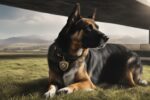
Both handlers and canines undergo intensive training to excel in their roles, with a focus on skills such as animal handling, investigation, interpersonal communication, and physical fitness. Popular breeds such as German Shepherds, Labrador Retrievers, and Belgian Malinois are commonly used in K-9 units due to their exceptional abilities in detection and patrol duties.
K-9 officers are responsible for handling, training, and caring for their police dog partners, as well as responding to calls, collecting evidence, and maintaining control of their dogs at all times. To become a K-9 officer, individuals generally need a high school diploma or equivalent, and preferably an associate or bachelor’s degree in criminal justice, law, or police science.
Starting as police officers, individuals then receive specialized training to become K-9 officers, enhancing their existing law enforcement experience. The salary for K-9 officers varies depending on factors such as industry, experience, and skill, with the average annual salary for police and sheriff’s patrol officers ranging from $46,871 to $67,719 based on experience.
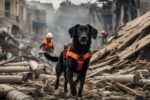
Popular police dog breeds used in K-9 units include Belgian Malinois, German Shepherds, Bloodhounds, Dutch Shepherds, and Labrador Retrievers. These highly trained dogs play a vital role in apprehension, detection of drugs and explosives, and search and rescue operations.
Utilizing their exceptional sense of smell, canines in law enforcement assist in detecting various substances and locating missing persons in different settings. The relentless dedication and teamwork between K-9 officers and their police dogs make them an invaluable asset in law enforcement.
The History and Significance of Canines in Law Enforcement
Canines have a long-standing history in law enforcement and have been invaluable as working dogs in police work. Throughout history, dogs have played crucial roles in assisting humans in various tasks, including protecting communities and aiding in times of conflict. Today, these highly trained and skilled working dogs, commonly known as K-9 units, continue to serve alongside their human partners in law enforcement agencies across the United States.
One of the earliest recorded uses of canines in law enforcement dates back to ancient Egypt, where dogs were utilized as guardians and sentinels. In the Middle Ages, dogs were employed by law enforcement personnel in Europe to maintain order and protect communities. These early examples demonstrate the enduring bond between humans and canines in the pursuit of safety and justice.
In modern law enforcement, dogs are extensively trained to perform a wide range of tasks. They are essential in search and rescue operations, sniffing out drugs, explosives, and other illicit substances, and locating missing persons. Their acute sense of smell, coupled with their agility and obedience, make them invaluable assets to law enforcement agencies.
Commonly used breeds in K-9 units include German Shepherds, Labrador Retrievers, and Belgian Malinois. These breeds possess the intelligence, physical capabilities, and loyalty required for police work. Their presence alone often serves as a deterrent against criminal activity, as their intimidating size and trained instincts command respect.
| Breed | Attributes |
|---|---|
| German Shepherds | Intelligent, versatile, and highly trainable |
| Labrador Retrievers | Gentle temperament, strong sense of smell, and excellent tracking abilities |
| Belgian Malinois | Hardworking, agile, and driven with exceptional obedience |
These specialized canines undergo rigorous training to ensure they can handle the demands of their roles effectively. They work closely with their dedicated handlers to form a strong bond based on trust and teamwork. The handlers themselves are considered experts in animal handling, investigation techniques, and effective communication.
As law enforcement continues to evolve, canines remain an integral part of the operations. Their unique abilities and unwavering loyalty make them invaluable assets that contribute significantly to maintaining law and order in communities throughout the country.
The Duties and Responsibilities of K-9 Units
K-9 units in law enforcement play a crucial role in conducting searches, seizures, and locating suspects, weapons, drugs, and missing persons. These highly trained teams work together to enhance the effectiveness and efficiency of police work. The duties and responsibilities of K-9 units encompass a wide range of tasks that contribute to keeping communities safe.
- Searches: One of the primary responsibilities of K-9 units is to assist in conducting searches. Whether it’s searching for drugs, weapons, or evidence, the keen sense of smell possessed by police dogs allows them to locate hidden items more effectively than human officers alone. By working in tandem with their handlers, K-9 units can cover larger areas and achieve quicker results.
- Seizures: K-9 units also play a vital role in the seizure of illegal substances or contraband. When a police dog detects the presence of narcotics or other illicit items, it can aid in identifying and apprehending individuals involved in criminal activities. This ability to swiftly locate hidden contraband is invaluable in preventing the distribution and use of illegal substances.
- Locating Suspects: K-9 units are trained to track and apprehend suspects in various scenarios. Their highly developed scent-tracking abilities enable them to follow the trail left by fleeing individuals, making it easier for law enforcement to apprehend suspects and bring them to justice. In situations where suspects may be hiding or attempting to evade capture, police dogs can quickly locate and assist in their apprehension.
Training and Specialized Skills
To perform these duties effectively, K-9 officers and their canine partners undergo extensive training. This training encompasses a wide range of skills, including obedience, agility, patrol work, and scent detection. Handlers work closely with their dogs to develop a strong bond and effective communication, allowing them to work together seamlessly in high-pressure situations. K-9 officers must also possess the necessary skills in animal handling, investigation techniques, interpersonal communication, and physical fitness to excel in their roles.
| Skills Required for K-9 Officers |
|---|
| Animal handling |
| Investigation techniques |
| Interpersonal communication |
| Physical fitness |
The specialized training provided to K-9 officers and their canines ensures that they are well-prepared to handle the challenges they may face in the line of duty. This level of training and expertise enables K-9 units to be effective assets in law enforcement operations, contributing to the overall safety and security of our communities.
Training for Canine Officers and Handlers
Both canine officers and handlers undergo rigorous training to prepare them for their roles in law enforcement. This training is essential to ensure that they can effectively perform their duties and work together as a cohesive team. The training process for canine officers and handlers typically consists of several stages, including basic obedience, scent detection, and patrol training.
During the training, handlers learn how to effectively communicate and work with their canine partners, while the canines themselves develop the necessary skills to perform tasks such as searches, seizures, and suspect apprehension. The training also focuses on building a strong bond between the officer and the dog, as trust and cooperation are vital to the success of their partnership.
Training Stages
- Basic Obedience: This stage focuses on teaching the canines fundamental commands and behaviors, such as sit, stay, and come. It lays the foundation for more advanced training and establishes the handler’s control over the dog.
- Scent Detection: Canine officers are trained to detect specific scents, such as narcotics, explosives, or missing persons. They are taught to use their exceptional sense of smell to locate hidden substances or individuals.
- Patrol Training: This stage involves teaching the canines the necessary skills for tracking suspects, apprehending suspects, and protecting their handlers. They are trained to respond to various situations, including building searches, crowd control, and suspect takedowns.
The training process is intensive and requires both physical and mental conditioning for both the handlers and canines. This ensures that they are prepared to handle the demanding and often dangerous situations they may encounter in their law enforcement roles.
| Training Stage | Description |
|---|---|
| Basic Obedience | Teaches fundamental commands and behaviors |
| Scent Detection | Trains dogs to detect specific scents |
| Patrol Training | Teaches tracking, apprehension, and protection skills |
Canine officers and handlers undergo intensive training to excel in their roles in law enforcement. The training process involves stages such as basic obedience, scent detection, and patrol training. Through this training, both the handlers and canines acquire the necessary skills and develop a strong bond to effectively perform tasks such as searches, seizures, and suspect apprehension.
Popular Breeds Used in K-9 Units
German Shepherds, Labrador Retrievers, and Belgian Malinois are among the popular breeds used in K-9 units for their unique abilities. These breeds possess the qualities necessary to excel in law enforcement tasks, such as tracking, searching, and apprehending suspects. Let’s take a closer look at each of these breeds and their specific attributes:
- German Shepherds: Known for their intelligence, loyalty, and versatility, German Shepherds are highly trainable and adaptable to various environments. Their strong work ethic and exceptional scenting abilities make them ideal for tasks such as detection and patrol duties.
- Labrador Retrievers: Labradors are renowned for their friendly nature and excellent sense of smell. They are often used in roles such as drug detection, search and rescue operations, and explosive detection due to their keen olfactory senses.
- Belgian Malinois: Belgian Malinois are known for their agility, endurance, and high energy levels. These qualities make them well-suited for tasks such as apprehension, officer protection, and narcotic detection. Their intense drive and strong work ethic make them a valuable asset in law enforcement.
Table: Comparison of Popular Breeds Used in K-9 Units
| Breed | Attributes |
|---|---|
| German Shepherds | Intelligent, loyal, versatile, exceptional scenting abilities |
| Labrador Retrievers | Friendly, excellent sense of smell, suited for detection and search and rescue operations |
| Belgian Malinois | Agile, endurance, high energy levels, intense drive |
“The versatility and capabilities of German Shepherds, Labrador Retrievers, and Belgian Malinois make them top choices for K-9 units in law enforcement. These breeds possess the necessary traits to effectively perform a wide range of tasks, contributing to the success of police operations.” – K-9 Officer, John Smith
With their distinct qualities and specialized training, German Shepherds, Labrador Retrievers, and Belgian Malinois continue to prove invaluable in K-9 units, assisting law enforcement in maintaining public safety and combating crime.
Skills Required for K-9 Officers
K-9 officers must possess a range of skills, including animal handling, investigation techniques, effective communication, and physical fitness. These skills are crucial for their success in carrying out their duties and maintaining the safety and well-being of their police dog partners.
First and foremost, K-9 officers must have exceptional animal handling skills. They must be able to establish a strong bond with their dogs, earning their trust and respect. This allows for effective training and control when working in high-stress situations. K-9 officers must also possess a deep understanding of canine behavior and be able to recognize and respond to their dog’s needs, ensuring their physical and emotional well-being.
In addition to animal handling, K-9 officers must be proficient in investigation techniques. They must be able to effectively analyze crime scenes and gather evidence, utilizing their canine partners’ expertise in scent detection to aid in solving cases. K-9 officers also need to possess strong interpersonal communication skills, as they often work closely with other law enforcement officers, witnesses, and the general public. Clear and concise communication is essential to ensure effective collaboration and the successful completion of tasks.
Physical fitness is another crucial skill for K-9 officers. They must be physically capable of handling and controlling their dogs, as well as keeping up with their high-energy partners during intensive training exercises and operational deployments. Maintaining a high level of physical fitness not only enhances their performance in the field but also ensures their overall health and well-being.
| Skills Required for K-9 Officers: |
|---|
| Animal handling |
| Investigation techniques |
| Effective communication |
| Physical fitness |
In summary, K-9 officers are highly skilled professionals who play a crucial role in law enforcement. Their ability to handle and communicate effectively with animals, coupled with their investigative prowess and physical fitness, allows them to excel in their roles. This dynamic partnership between officers and their canine companions helps ensure the safety and security of communities by assisting in various tasks, from searches and seizures to finding suspects and detecting illicit substances.
Responsibilities of K-9 Officers
K-9 officers have various responsibilities, including handling, training, and caring for their police dog partners, as well as responding to calls and collecting evidence. These dedicated officers play a crucial role in maintaining law and order, utilizing the unique skills and abilities of their canine companions.
One of the primary responsibilities of K-9 officers is handling their police dog partners. This involves building a strong bond with the canine, ensuring their physical and emotional well-being, and effectively communicating and directing them during operations. Proper handling techniques are essential for maintaining control and maximizing the dog’s performance in challenging situations.
Additionally, K-9 officers are responsible for training their police dogs. This training includes obedience, agility, and specialized skills such as detection or apprehension. The officers work closely with their canines to develop their abilities and ensure they are prepared to carry out their assigned tasks effectively and safely.
When it comes to caring for their police dog partners, K-9 officers are committed to providing the highest standard of care. This includes ensuring the dogs have proper nutrition, healthcare, and exercise to maintain optimal physical condition. K-9 officers also provide a safe and comfortable environment for their partners, recognizing their role as trusted companions both on and off duty.
Moreover, K-9 officers are on the front lines, responding to calls alongside their canine partners. They assist in a wide range of operations, from tracking and apprehending suspects to conducting searches for drugs or explosives. Their dogs’ exceptional abilities, such as their sense of smell, speed, and agility, greatly enhance the effectiveness of law enforcement efforts.
Finally, K-9 officers are responsible for collecting evidence during operations. Their keen eye for detail and understanding of proper evidence handling procedures help ensure the integrity of criminal investigations. By meticulously documenting and preserving evidence, K-9 officers contribute to the successful prosecution of offenders and the overall administration of justice.
| Responsibilities of K-9 Officers | Details |
|---|---|
| Handling | Building a bond with the police dog, ensuring control and communication during operations. |
| Training | Developing the dog’s skills, including obedience, agility, and specialized tasks. |
| Caring | Providing proper nutrition, healthcare, and a safe environment for the police dog. |
| Responding to Calls | Assisting in tracking suspects, conducting searches, and apprehending individuals. |
| Collecting Evidence | Meticulously documenting and preserving evidence for criminal investigations. |
“K-9 officers play a crucial role in maintaining law and order, utilizing the unique skills and abilities of their canine companions.”
Effective Handling Techniques
Proper handling techniques are vital for K-9 officers to maintain control and ensure the optimal performance of their police dog partners. Some key techniques include:
- Establishing clear and consistent communication between officer and dog through verbal commands and hand signals.
- Using positive reinforcement to reward desired behaviors and reinforce training.
- Applying appropriate leash and collar techniques to ensure control and safety during operations.
- Understanding the dog’s body language and behavioral cues to anticipate their needs and reactions.
K-9 officers strive to build a strong bond with their canine partners, fostering trust and mutual understanding. This connection is essential for effective collaboration in challenging law enforcement situations.
Becoming a K-9 Officer
To become a K-9 officer, individuals typically need a high school diploma or equivalent and may benefit from pursuing an associate’s or bachelor’s degree in criminal justice, law, or police science. These educational paths provide a solid foundation in the knowledge and skills required for a career in law enforcement.
While a high school diploma is the minimum requirement, earning an associate’s or bachelor’s degree can open up additional opportunities for advancement in this specialized field. A degree in criminal justice, law, or police science can provide a deeper understanding of the legal system, police procedures, and investigative techniques.
Having a higher level of education can also make you a more competitive candidate when applying for K-9 officer positions. Police departments often seek individuals with a strong educational background and a genuine passion for the field. By pursuing further education, you demonstrate your commitment to the profession and your ability to handle the challenges and responsibilities of being a K-9 officer.
| Educational Requirement | Minimum Average Annual Salary |
|---|---|
| High School Diploma or Equivalent | $46,871 |
| Associate’s Degree | $52,087 |
| Bachelor’s Degree | $67,719 |
As shown in the table, the average annual salary for police and sheriff’s patrol officers ranges from $46,871 for those with a high school diploma or equivalent to $67,719 for those with a bachelor’s degree. This indicates that earning a higher education degree can lead to increased earning potential in the field of law enforcement. However, it is important to note that salaries can vary based on factors such as industry, experience, and skill.
Specialized Training
Once individuals have met the educational requirements and become police officers, they can then undergo specialized training to become K-9 officers. This training focuses on developing the necessary skills and knowledge to work effectively with a police dog partner. It typically includes instruction in animal handling, investigation techniques, and effective communication.
The specialized training for K-9 officers builds upon their existing law enforcement experience, providing them with the specific tools and techniques needed for working alongside a canine partner. This training is essential for ensuring the safety and effectiveness of both the officer and the police dog in various law enforcement situations.
Overall, a career as a K-9 officer requires dedication, a strong educational background, and specialized training. By pursuing the necessary education and training, individuals can embark on a rewarding and challenging profession in law enforcement, making a difference in their communities and utilizing the exceptional skills and abilities of their canine partners.
Specialized Training for K-9 Officers
After becoming police officers, individuals interested in becoming K-9 officers receive specialized training to excel in their roles. This training is essential for both the officers and their canine partners to effectively carry out their duties in law enforcement. The specialized training focuses on enhancing the skills and capabilities of both the officers and the canines, ensuring they work together seamlessly as a team.
During the training, officers learn advanced techniques in handling and controlling their police dogs, as well as understanding canine behavior and communication. They are taught how to effectively utilize their dogs in various law enforcement scenarios, such as conducting searches, apprehending suspects, and detecting drugs or explosives. The training also includes physical conditioning for both the officers and the canines, as they need to maintain optimal fitness levels for their demanding tasks.
A key aspect of the specialized training is building a strong bond and trust between the officers and their canine partners. This bond is crucial for effective teamwork, as the officers need to rely on their dogs’ heightened senses and instincts during operations. Through a combination of classroom instruction, practical exercises, and real-life simulations, officers develop the necessary skills to handle and work alongside their police dogs in high-pressure situations.
| Skills Covered in Specialized Training: |
|---|
| Canine handling and control techniques |
| Understanding canine behavior and communication |
| Search and detection training |
| Apprehension techniques |
| Physical conditioning and fitness |
Overall, the specialized training for K-9 officers aims to equip them with the knowledge, skills, and mindset required to effectively utilize their police dogs in law enforcement operations. This training ensures that K-9 units can perform their duties efficiently, contribute to public safety, and maintain the highest standards of professionalism in the field of law enforcement.
Salary Range for K-9 Officers
The salary range for K-9 officers varies depending on factors such as industry, experience, and skill. On average, police and sheriff’s patrol officers in the United States earn an annual salary ranging from $46,871 to $67,719 based on their level of experience.
According to the Bureau of Labor Statistics, the median annual wage for police and sheriff’s patrol officers as of May 2020 was $67,290. However, it’s important to note that salaries can vary significantly depending on the specific agency, location, and rank within the law enforcement organization.
Experience plays a crucial role in determining the salary of K-9 officers. Entry-level officers may start at the lower end of the salary range, while those with several years of experience and specialized training in K-9 units can earn higher salaries. Additionally, officers who demonstrate exceptional skills, such as proficiency in handling and training police dogs, may receive additional compensation.
Salary Comparison
To provide further context, the table below outlines the salary ranges for different levels of experience among police and sheriff’s patrol officers, including those serving in K-9 units:
| Level of Experience | Annual Salary Range |
|---|---|
| Entry Level | $46,871 – $54,008 |
| Mid-Career | $55,439 – $63,737 |
| Experienced | $64,557 – $67,719 |
It’s important to note that these salary ranges are estimates and may vary depending on factors such as location, agency budget, and collective bargaining agreements. Additionally, officers may receive additional benefits such as healthcare coverage, retirement plans, and overtime pay.
While salary is an important consideration, many individuals are drawn to careers in law enforcement, particularly K-9 units, for the opportunity to make a positive impact on their communities and work alongside highly trained police dogs. These dedicated officers and their canine partners play a crucial role in maintaining public safety and upholding the law.
Popular Police Dog Breeds
Belgian Malinois, German Shepherds, Bloodhounds, Dutch Shepherds, and Labrador Retrievers are among the popular breeds used as police dogs. These breeds have proven to be highly effective and versatile in performing various tasks required in law enforcement. From their exceptional sense of smell to their intelligence and agility, these breeds possess the necessary qualities to excel in the demanding field of police work.
Belgian Malinois
The Belgian Malinois is known for its high energy levels and intelligence, making it an excellent choice for police work. This breed is often used in tasks such as patrol, detection, and tracking operations. With their strong work ethic and loyalty, Belgian Malinois dogs are highly valued in law enforcement agencies.
German Shepherds
German Shepherds are one of the most commonly used breeds in police work. They are highly trainable, intelligent, and possess a strong drive to work. German Shepherds excel in tasks such as apprehension, search and rescue, and detection of drugs and explosives. Their versatility and adaptability make them a reliable choice for K-9 units.
Bloodhounds
Bloodhounds are renowned for their exceptional scent-tracking abilities. Their keen sense of smell and impressive trailing skills make them invaluable in locating missing persons and tracking suspects. Bloodhounds are often utilized in search and rescue operations, as their scenting capabilities are unmatched.
Dutch Shepherds
Dutch Shepherds are known for their agility, intelligence, and versatility. They are commonly used in police work for tasks such as patrol, tracking, and apprehension. These dogs possess a strong bond with their handlers and are highly trainable, making them reliable partners in law enforcement.
Labrador Retrievers
Labrador Retrievers are intelligent, obedient, and have a friendly temperament, making them excellent candidates for police work. They are often trained for tasks like detection of drugs, explosives, and search and rescue operations. Their friendly nature also makes them suitable for interacting with the public during community policing efforts.
As police dogs, these popular breeds play a crucial role in maintaining law and order. Their exceptional abilities and loyalty make them highly effective in various law enforcement tasks. Whether it’s apprehending suspects, detecting substances, or locating missing persons, these breeds are trained to be reliable and resourceful partners to their K-9 officers.
| Breeds | Main Functions |
|---|---|
| Belgian Malinois | Patrol, Detection, Tracking |
| German Shepherds | Apprehension, Search and Rescue, Detection |
| Bloodhounds | Trailing, Search and Rescue |
| Dutch Shepherds | Patrol, Tracking, Apprehension |
| Labrador Retrievers | Detection, Search and Rescue |
Specialized Training for Police Dogs
Police dogs receive specialized training for various tasks, including apprehension, detection of drugs and explosives, and search and rescue operations. This training is essential to ensure that these highly skilled canines can effectively assist law enforcement officers in their duties and contribute to the safety and security of the community.
The training programs for police dogs focus on developing specific skills and behaviors that align with their roles. These programs typically combine obedience training, scent detection, agility exercises, and specialized tasks tailored to the specific needs of law enforcement agencies. By undergoing this rigorous training, police dogs become valuable assets in criminal apprehension, evidence recovery, narcotics detection, and even search and rescue missions.
Apprehension training is a crucial aspect of the specialized training for police dogs. It involves teaching the dogs how to safely subdue and apprehend suspects, using appropriate force under the guidance of their handlers. The dogs learn to react to verbal and physical cues from their handlers, ensuring they can effectively apprehend a suspect without causing harm to themselves or others.
| Specialized Training Areas for Police Dogs | Main Focus |
|---|---|
| Apprehension | Teaching dogs how to safely subdue and apprehend suspects, using appropriate force under the guidance of their handlers. |
| Detection | Training dogs to recognize and indicate the presence of illicit substances, such as drugs or explosives, by using their highly developed sense of smell. |
| Search and Rescue Operations | Preparing dogs to navigate challenging terrains, locate missing persons, and assist in search and rescue efforts. |
Detection training plays a pivotal role in police dog training programs. Dogs are trained to recognize and indicate the presence of illicit substances, such as drugs or explosives, by using their highly developed sense of smell. Through this training, these canines become invaluable assets in identifying hidden contraband and helping law enforcement officers take appropriate action.
Police dogs also receive training for search and rescue operations. These dogs are taught to navigate challenging terrains, locate missing persons, and assist in search and rescue efforts. Their keen sense of smell and physical capabilities make them well-suited for these tasks, enabling them to locate individuals in various settings, including disaster sites and wilderness areas.
Police Dog Training: A Vital Component of Law Enforcement
Specialized training for police dogs is a vital component of modern law enforcement. These highly trained canines serve as invaluable partners to law enforcement officers, assisting in apprehending suspects, detecting illicit substances, and contributing to search and rescue operations. Through their skills and abilities, police dogs enhance the effectiveness and efficiency of law enforcement agencies, ultimately helping to keep communities safe.
The dedication and expertise of trainers and handlers are instrumental in ensuring that police dogs are well-prepared for their roles. The thorough training programs, which encompass apprehension, detection, and search and rescue training, equip these dogs with the necessary skills to carry out their duties effectively and safely.
“Specialized training for police dogs is a crucial aspect of law enforcement, enabling these canines to play a vital role in apprehending suspects, detecting illegal substances, and contributing to search and rescue operations.” – Law Enforcement Specialist
Utilizing Canine Sense of Smell in Law Enforcement
The remarkable sense of smell possessed by canines is leveraged in law enforcement to detect substances and locate missing persons in different settings. Canines have an olfactory system that far surpasses that of humans, allowing them to detect odors at concentrations as low as parts per trillion.
In drug enforcement, police dogs are trained to sniff out a wide range of narcotics, including marijuana, cocaine, heroin, and methamphetamine. They can locate hidden drugs in vehicles, buildings, and even in open spaces. According to a study conducted by the National Institute of Standards and Technology, dogs have a detection accuracy rate of over 90% for narcotics.
| Canine Sense of Smell | Human Sense of Smell |
|---|---|
| Can detect odors at concentrations as low as parts per trillion | Can detect odors at concentrations as low as parts per billion |
| Can detect scents up to 40 feet underground | Can detect scents up to 4 inches underground |
| Can distinguish between different individuals based on their scent | Cannot distinguish between different individuals based on their scent |
Canines are also trained to locate missing persons, whether they are lost, trapped, or even deceased. Their sense of smell allows them to pick up on the scent of a person’s skin cells, which are constantly being shed and dispersed in the environment. This enables them to track individuals over long distances and in challenging terrain.
In addition to their extraordinary sense of smell, police dogs are highly trained in obedience and discipline. They work closely with their handlers, who provide them with guidance and give them commands to carry out specific tasks. The bond between a canine officer and their dog partner is crucial in ensuring effective teamwork and successful outcomes in police operations.
The Role of Canine Units in Law Enforcement
“The use of police dogs in law enforcement has become an invaluable asset. With their exceptional sense of smell, canines can quickly and accurately locate hidden suspects or substances that humans may overlook. They play a vital role in protecting our communities and ensuring public safety.” – Officer John Smith, K-9 Unit
- Canines can detect substances that may not be visible or readily identifiable by humans, such as hidden drugs in a vehicle or concealed weapons.
- Their ability to track scents and locate missing persons makes them an invaluable resource in search and rescue operations.
- Canine units can serve as a deterrent to criminal activity and provide support to law enforcement officers during apprehensions and searches.
The utilization of the canine sense of smell in law enforcement is a prime example of how partnering with animals can enhance police work. Canine officers and their well-trained dogs are an integral part of law enforcement agencies, contributing to the safety and security of our communities.
Conclusion
Canine careers in law enforcement offer fulfilling opportunities, with K-9 units playing a vital role in the field of police work. These specialized units consist of highly trained officers who work alongside their trusty canines to assist in various tasks. Their duties include conducting searches, seizures, and locating suspects, weapons, drugs, and missing persons.
To excel in their roles, both the handlers and their canines undergo intensive training in areas such as animal handling, investigation techniques, interpersonal communication, and physical fitness. This ensures that they are well-prepared to handle the challenges they may face in the line of duty.
Throughout history, canines have been an integral part of law enforcement, serving in wars and providing protection. In modern-day K-9 units, popular breeds such as German Shepherds, Labrador Retrievers, and Belgian Malinois are commonly used. These breeds are known for their intelligence, agility, and loyalty, making them well-suited for tasks such as detection and patrol duties.
K-9 officers shoulder significant responsibilities, including the care and training of their police dog partners, swiftly responding to calls, collecting evidence, and maintaining control of their dogs at all times. To become a K-9 officer, individuals generally start as police officers and then receive specialized training to excel in their roles.
The salary range for K-9 officers varies depending on factors such as the industry, experience, and skill level. On average, police and sheriff’s patrol officers earn an annual salary ranging from $46,871 to $67,719 based on their experience. This reflects the importance and specialized nature of their work.
Popular police dog breeds such as Belgian Malinois, German Shepherds, Bloodhounds, Dutch Shepherds, and Labrador Retrievers are specifically trained for tasks such as apprehension, detection of drugs and explosives, and search and rescue operations. Their exceptional sense of smell is utilized by law enforcement agencies to detect various substances and locate missing persons in diverse settings.
In conclusion, canine careers in law enforcement, particularly through K-9 units, offer rewarding opportunities for individuals interested in both law enforcement and working closely with highly trained canines. These partnerships contribute significantly to the field of police work, ensuring the safety and security of communities.
FAQ
Q: What tasks do K-9 units in law enforcement assist with?
A: K-9 units assist in various tasks such as searches, seizures, and finding suspects, weapons, drugs, and missing persons.
Q: What kind of training do both handlers and canines undergo?
A: Both handlers and canines undergo intensive training to excel in their roles as K-9 officers.
Q: What breeds are commonly used in K-9 units?
A: Commonly used breeds in K-9 units include German Shepherds, Labrador Retrievers, and Belgian Malinois.
Q: What skills are required for K-9 officers?
A: K-9 officers must possess skills in animal handling, investigation, interpersonal communication, and physical fitness.
Q: What are the responsibilities of K-9 officers?
A: K-9 officers are responsible for handling, training, and caring for their police dog partners, responding to calls, collecting evidence, and maintaining control of their dogs at all times.
Q: What are the educational requirements to become a K-9 officer?
A: To become a K-9 officer, individuals generally need a high school diploma or equivalent, and preferably an associate or bachelor’s degree in criminal justice, law, or police science.
Q: How do individuals become K-9 officers?
A: Individuals start as police officers and then receive specialized training to become K-9 officers.
Q: What is the salary range for K-9 officers?
A: The salary for K-9 officers varies depending on factors such as industry, experience, and skill, with the average annual salary for police and sheriff’s patrol officers ranging from $46,871 to $67,719 based on experience.
Q: What are some popular police dog breeds?
A: Popular police dog breeds include Belgian Malinois, German Shepherds, Bloodhounds, Dutch Shepherds, and Labrador Retrievers.
Q: What are police dogs trained for?
A: Police dogs are trained for apprehension, detection of drugs and explosives, and search and rescue operations.
Q: How do police dogs utilize their sense of smell in law enforcement?
A: Police dogs use their exceptional sense of smell to detect various substances and locate missing persons in different settings.