Empowering Lives: The Impact of Service Dogs

Dogs play a vital role in service work, providing assistance and support to individuals with disabilities in a variety of ways. These tasks can include guiding the blind, warning the deaf, or helping people who have trouble moving around. Two commonly known types of service dogs are guide dogs, which assist individuals with visual impairments, and seizure alert dogs, which provide support to those with epilepsy or other seizure disorders. Let’s explore the incredible capabilities of these working dogs and the impact they have on the lives of those they help.
The Importance of Service Dogs
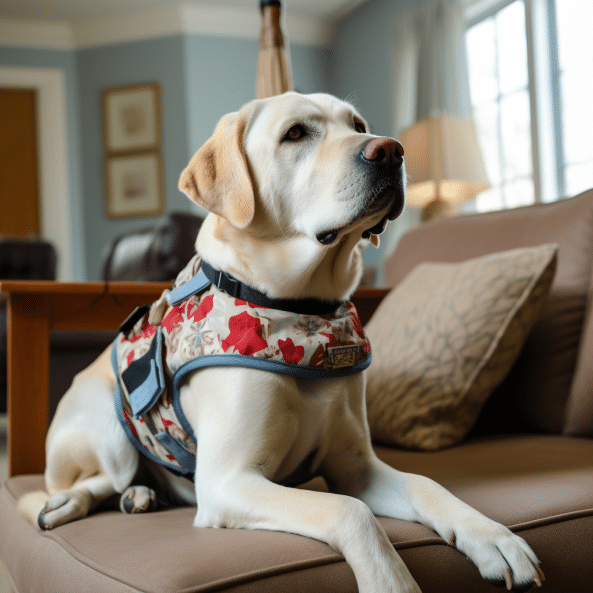
Service dogs help disabled people gain independence and support. These well-trained dogs help people with autism, diabetes, epilepsy, and PTSD.
Service dogs improve owners’ quality of life, which is why they’re so vital. They can help their handlers retrieve goods, open doors, alert to sounds or smells, and even guide visually impaired people securely.
Service dogs can also enter restaurants, shopping, and transportation services with their handlers. This allows disabled people to engage more completely in society and have equal work, education, and social opportunities. Services dogs can relieve anxiety and give security because their regular company and aid build handler confidence.
| Common Breeds Used as Service Dogs: | ||
|---|---|---|
| Labradors | Golden Retrievers | German Shepherds |
| Poodles | Boxers | Great Danes |
| Border Collies | Bernese Mountain Dogs | Pomeranians |
| Portuguese Water Dogs |
These common breeds are often selected as service dogs due to their intelligence, trainability, and temperament. However, it’s important to note that individual temperament and training are far more important than breed alone, as each dog’s suitability for service work may vary.
Overall, service dogs are not just companions, but lifelines for individuals with disabilities. Their presence and specialized training give their handlers newfound independence, safety, and the opportunity to lead more fulfilling lives. The bond between a service dog and their handler is one of trust, reliance, and unwavering support, showcasing the incredible impact that these remarkable animals have in the lives of those they serve.
Different Types of Service Dogs
There are various types of service dogs, each trained to perform specific tasks that cater to the needs of individuals with disabilities. These highly skilled canines undergo intensive training to assist people with a wide range of conditions, including autism, diabetes, epilepsy, and PTSD. Let’s take a closer look at some of the different types of service dogs and the valuable roles they play.
Allergy Detection Dogs
Allergy detection dogs are trained to detect and alert their handlers to the presence of allergens, such as peanuts, shellfish, or pollen. These dogs have a remarkable ability to sniff out allergens in personal items, public spaces, or even food products. For individuals with severe allergies, having an allergy detection dog can be life-saving, as it allows them to avoid exposure to potential allergens.
Diabetic Alert Dogs
Diabetic alert dogs are trained to detect changes in their handler’s blood sugar levels and alert them when their levels are too high or too low. These dogs have an acute sense of smell and can detect the subtle scent changes that occur when blood sugar levels fluctuate. By giving their handlers an early warning, diabetic alert dogs help individuals with diabetes manage their condition more effectively and prevent potentially dangerous situations.
“Having a diabetic alert dog has brought me peace of mind knowing that I am not alone in managing my diabetes. My furry companion never leaves my side and ensures that I’m safe, even during sleep.” – Sarah, diabetic alert dog handler
Guide Dogs
Guide dogs are perhaps the most well-known type of service dog. These highly trained canines assist individuals with visual impairments by providing mobility support and aiding in navigation. Guide dogs are trained to navigate around obstacles, stop at curbs, find doors, and follow specific commands to keep their handlers safe while walking or traveling.
Hearing Dogs
Hearing dogs are trained to help people who are deaf or hard of hearing by making sounds and signs they can understand. It has been taught to these dogs that when they hear certain sounds, like gunshots, they should touch their owners to get their attention. Hearing dogs make people who have trouble hearing feel safer and more free.
Mobility Assistance Dogs
Mobility assistance dogs are specifically trained to assist individuals with physical disabilities. These dogs can perform a wide range of tasks, such as retrieving items, opening doors, turning lights on and off, and providing balance support. By assisting with daily tasks, mobility assistance dogs enable individuals with physical disabilities to maintain their independence and enhance their overall quality of life.
| Common Breeds Used as Service Dogs |
|---|
| Labradors |
| Golden Retrievers |
| German Shepherds |
| Poodles |
| Boxers |
| Great Danes |
| Border Collies |
| Bernese Mountain Dogs |
| Pomeranians |
| Portuguese Water Dogs |
The breeds commonly used as service dogs include Labradors, Golden Retrievers, German Shepherds, Poodles, Boxers, Great Danes, Border Collies, Bernese Mountain Dogs, Pomeranians, and Portuguese Water Dogs. These breeds are known for their intelligence, trainability, and temperament, which make them well-suited for service work.
Common Breeds Used as Service Dogs
Because they are smart, friendly, and good at doing their jobs, service dogs come from a lot of different kinds. People with disabilities are given these breeds after they have been carefully chosen and taught to meet their needs. These dog breeds are some of the most popular ones used as service dogs:
| Breed | Traits |
|---|---|
| Labradors | Labs are known for their friendly and gentle nature, making them ideal for a wide range of service tasks. They are often used as guide dogs, mobility assistance dogs, and diabetic alert dogs. |
| Golden Retrievers | Golden Retrievers are highly intelligent and trainable, making them excellent as service dogs. They are commonly used as mobility assistance dogs, autism service dogs, and therapy dogs. |
| German Shepherds | German Shepherds are known for their loyalty, versatility, and ability to handle complex tasks. They are often used as police dogs, search and rescue dogs, and psychiatric service dogs. |
| Poodles | Poodles are highly intelligent and have a hypoallergenic coat, making them suitable for individuals with allergies. They are commonly used as guide dogs, mobility assistance dogs, and service dogs for people with autism. |
People often use these breeds for service work, but it’s important to remember that other breeds can also do a great job in this role.
The selection of a service dog breed depends on various factors including the tasks they need to perform, the client’s needs, and the dog’s individual characteristics.
Guide Dogs for the Visually Impaired
Guide dogs are specially trained to assist individuals with visual impairments, acting as their eyes and helping them navigate the world with confidence. These remarkable animals undergo intensive training to provide a range of services, allowing their handlers to safely move through their environment.
Working as a team, guide dogs and their handlers develop a strong bond built on trust and mutual understanding. The dogs are trained to navigate obstacles, avoid hazards, and assist their handler in crossing roads and maneuvering through crowded spaces. Their keen senses and intelligence enable them to assess and respond to their surroundings, ensuring safetOthers should realize that interacting with a guide dog in harness can distract them and impair their work. If you see a guiding dog and handler, help only if asked and be respectful.y at all times.
When a guide dog is on duty, it is crucial to respect their role and not distract them. It’s important for others to remember that interacting with a guide dog in harness can disrupt their focus and hinder their ability to perform their duties effectively. If you encounter a guide dog and their handler, it is best to offer assistance only if asked and to always treat them with respect and understanding.
Training and Partnership
Guide dogs undergo rigorous training programs to learn the specific skills needed for their work. They are carefully matched with handlers based on their personalities, needs, and abilities. This pairing ensures a strong partnership, leading to effective communication and teamwork.
During the training process, guide dogs are exposed to various environments and situations to prepare them for the challenges they may encounter while on duty. They learn to navigate stairs and escalators, ride on public transportation, and work in busy urban areas. The training also focuses on obedience, socialization, and advanced navigation techniques.
Benefits and Independence
The impact of guide dogs on the lives of visually impaired individuals is immeasurable. These loyal and intelligent companions enhance independence, confidence, and overall quality of life. With the assistance of a guide dog, individuals with visual impairments can confidently pursue educational and career opportunities, travel independently, and actively participate in their communities.
| Breed | Features |
|---|---|
| Labradors | Intelligent, reliable, and adaptable |
| Golden Retrievers | Intuitive, friendly, and patient |
| German Shepherds | Confident, protective, and versatile |
| Poodles | Intelligent, hypoallergenic, and agile |
“Guide dogs provide not only vital assistance but also emotional support, forming an unbreakable bond with their handlers.”
Guide dogs are an essential resource for individuals with visual impairments, offering them freedom, safety, and companionship. Through their incredible training and unwavering loyalty, these remarkable animals truly enhance the lives of their handlers in countless ways.
Hearing Dogs for the Deaf and Hard of Hearing
Dogs that can hear are taught to react to different sounds. People who are deaf or hard of hearing can use this to stay in touch and know what’s going on. People have taught these dogs to bark when they hear different sounds, such as doorbells, phones ringing, wakeup clocks, and even dangerous sounds like fire alarms.
One of the best things about hearing dogs is that they give their owners a sense of freedom and safety. Hearing dogs help people go about their daily lives with confidence by letting them know about important sounds around them. These amazing dogs are very important for helping people who have trouble hearing stay in touch with the world around them, whether it’s hearing a smoke alarm or someone calling their name.
Training hearing dogs usually involves teaching them to touch their person and then follow them to where the noise is coming from. One way to do this would be to poke their owner in the leg or arm and then use a special strap or leash to lead them to the sound. With constant training and praise, these dogs can become reliable companions for people who have trouble hearing.
| Breed | Common Characteristics |
|---|---|
| Labrador Retriever | Friendly, gentle, and intelligent |
| Golden Retriever | Loyal, patient, and obedient |
| Cocker Spaniel | Alert, adaptable, and sociable |
It’s important to remember that not all dog types can be trained to be hearing dogs. Most of the time, people want dogs that really want to please their owners and are good at obedience. Labrador Retrievers, Golden Retrievers, and Cocker Spaniels are the dog types most often used as hearing dogs. With their smarts, ease of training, and friendly personalities, these breeds are great choices for hearing dog programs.
Benefits of Hearing Dogs
- Enhanced safety and independence for individuals with hearing impairments
- Ability to respond to a wide range of sounds and alerts
- Improved quality of life and sense of connection to the world
- Increased confidence and self-esteem
“Having a hearing dog has changed my life in so many ways. I can now go about my daily activities knowing that I won’t miss important sounds or alarms. My hearing dog is my loyal companion and my ears, always looking out for me.” – Jessica, hearing dog owner
In conclusion, hearing dogs play a vital role in the lives of individuals who are deaf or hard of hearing. Through their specialized training and unique abilities, they provide a lifeline of communication and safety for their owners. With their unwavering loyalty and dedication, hearing dogs truly make a difference in the lives of those they serve.
Mobility Assistance Dogs
Dogs that are taught to help people with physical disabilities can make it easier for them to move around and be independent. In addition to being great friends, these highly skilled dogs also help their owners get through daily life.
One of the main jobs of mobility support dogs is to get things back. They’ve been taught to pick up things like keys, phones, and even groceries and bring them back to their masters. This not only saves people who have trouble moving around time and energy, but it also makes them feel more independent.
People who use dogs to help them move around are also taught how to use them to keep their balance. They learn to walk with a partner who leads the way and keeps the other person steady as they walk. This help is especially helpful for people with Parkinson’s disease or cerebral palsy who may have trouble keeping their balance or coordinating their movements.
| Tasks Performed by Mobility Assistance Dogs | Benefits to Individuals with Disabilities |
|---|---|
| Retrieving items | Saves time and energy |
| Providing balance support | Enhances stability and safety |
| Opening doors, drawers, and cabinets | Promotes independence and accessibility |
The bond between a mobility assistance dog and their partner is built on trust, companionship, and mutual reliance. Together, they face the day-to-day challenges that physical disabilities present, creating a partnership that goes beyond mere service. These remarkable dogs bring joy, comfort, and freedom to the lives of individuals with physical disabilities, empowering them to live their lives to the fullest.
Seizure Alert Dogs
These dogs are trained to detect seizures and help people during them. These remarkable dogs can sense when their owners are having a seizure, allowing them to help and save lives. Dogs may notice minor changes in their owner’s behavior or scent before a seizure, though the specific mechanism is unknown.
This makes seizure alert dogs great companions for epilepsy and other seizure disorders. These canines can warn their owners of impending seizures, allowing them to take preparations and locate safety. The dog may lie next to the seizure victim to prevent injury or collect medication or a phone to call for help.
Not all dogs can reliably detect seizures, even though some naturally do so. Further research is needed to determine what cues or signs these exceptional creatures perceive. However, many seizure problem sufferers have found great relief with a trained seizure alert dog.
| Common Breeds Used as Service Dogs |
|---|
| Labradors |
| Golden Retrievers |
| German Shepherds |
| Poodles |
| Boxers |
| Great Danes |
| Border Collies |
| Bernese Mountain Dogs |
| Pomeranians |
| Portuguese Water Dogs |
These breeds are commonly chosen for service work due to their intelligence, trainability, and temperament.
Other Types of Working Dogs
Working dogs go beyond service work and play vital roles in various areas, showcasing their incredible intelligence and training. These dogs are trained to perform specific tasks that help humans in critical situations. Whether it’s search and rescue operations, detecting explosives and cancer, or alerting individuals with allergies to potential dangers, working dogs are indispensable allies.
Search and Rescue Dogs
Search and rescue dogs are highly trained canines that assist in finding and rescuing missing persons. They possess exceptional scent detection abilities and can track and locate individuals in diverse environments, such as wilderness areas, disaster sites, and avalanche zones. These dogs work alongside human handlers and can cover vast areas efficiently, reducing search times and increasing the chances of a successful rescue.
Explosives Detection Dogs
It is very important to keep people safe that dogs are used to find bombs. People teach these dogs to find bombs and let their owners know when there might be a danger. People, airports, and public transportation are safer because of this. It helps stop terrorist acts. They are very good at finding hidden explosives or explosive residue because they can smell things very well. This is true even in places that are difficult and always changing.
Cancer Detection Dogs
Cancer detection dogs have demonstrated remarkable abilities in detecting various types of cancer through scent. By sniffing biological samples, such as urine or breath, these dogs can detect the presence of cancer cells with a high degree of accuracy. Their exceptional olfactory capabilities have the potential to revolutionize early cancer detection, allowing for earlier intervention and improved treatment outcomes.
Therapy Dogs in Clinical Settings
Therapy dogs bring joy and therapeutic benefits to individuals in clinical settings, offering comfort and emotional support during challenging times. These specially trained dogs, with their gentle demeanor and unconditional love, make a significant difference in the lives of patients, families, and healthcare professionals.
In a hospital setting, therapy dogs provide a much-needed distraction from pain, anxiety, and loneliness. Interacting with a friendly and furry companion can reduce stress levels and promote relaxation. The presence of therapy dogs has been shown to lower blood pressure, decrease heart rate, and release endorphins, the body’s natural feel-good hormones.
“The comfort that therapy dogs provide is immeasurable,” says Dr. Sarah Thompson, a pediatrician at Mercy Hospital. “When a child is facing a challenging medical procedure, having a therapy dog by their side can make the experience less daunting.”
Therapy dogs also play an important role in nursing homes and rehabilitation centers. They provide a sense of companionship to residents, easing feelings of isolation and depression. The simple act of petting a dog can promote emotional well-being and social interaction.
| Clinical Setting | Benefits of Therapy Dogs |
|---|---|
| Hospitals | – Reduces stress and anxiety – Provides distraction from pain – Lowers blood pressure and heart rate |
| Nursing Homes | – Decreases feelings of isolation and depression – Promotes emotional well-being and social interaction |
| Rehabilitation Centers | – Supports and motivates patients during therapy sessions – Enhances overall well-being and quality of life |
Therapy dogs go through special training to make sure they are calm, well-behaved, and at ease in a medical setting. They are taught to stay calm around medical tools, loud noises, and a lot of people crossing the halls.
Emotional Support Animals
Support emotionally Dogs help mental health patients cope with anxiety, despair, and other issues by providing companionship and emotional support. These dogs do not have ADA rights because they are not service dogs.
For specific jobs, emotional support dogs do not need training like assistance dogs. Many mental health practitioners recommend these dogs as part of a complete therapy approach for psychological illnesses.
The Fair Dwellings Act and the Air Carrier Access Act say that some homes and trains may let emotional support dogs stay. Service dogs are welcome in public places. To get these accommodations, you need to follow some rules and fill out some forms.
The Role of Emotional Support Dogs in Mental Health
Dog interaction improves mental wellness, according to research. For instance, petting a dog boosts oxytocin, which boosts happiness and reduces stress. For people with mental health issues, emotional support dogs can give companionship and minimize loneliness and isolation.
Although emotional support dogs cannot alleviate symptoms like service dogs, their presence can comfort and support during stressful times. A faithful, non-judgmental companion can assist people with psychological problems cope with daily challenges and improve their well-being.
| Benefits of Emotional Support Dogs |
|---|
| 1. Companionship and emotional support |
| 2. Reduction of anxiety and depression symptoms |
| 3. Increased feelings of happiness and relaxation |
| 4. Decreased feelings of loneliness and isolation |
In conclusion, emotional support dogs play a vital role in providing companionship and emotional support to individuals with psychological disorders. While they do not have the same legal rights as service dogs, their presence can significantly improve the mental well-being of their owners. These dogs offer unconditional love and support, helping individuals cope with the challenges that come with mental health disorders.
The Legal Rights of Service Dogs
The ADA gives service dogs unrestricted public access and protection against discrimination. These rights ensure that disabled people can use their service dogs to help them with daily tasks without difficulties.
The ADA defines a service dog as a canine trained to help a disabled person. This labor must be connected to the individual’s impairment, such as guiding blind people, notifying deaf people, or helping a seizure victim.
The ADA does not consider service dogs pets. They can accompany their handlers into pet-restricted restaurants, hotels, and public transportation.
| Legal Rights of Service Dogs under the ADA |
|---|
| Full public access rights |
| No pet restrictions |
| Accommodation in housing |
| No additional fees or deposits |
| Protection from discrimination |
Even if there are pet restrictions or no-pet regulations, assistance dogs can live in flats and rentals. Landlords and housing providers must accommodate disabled people who need service dogs. This waives pet fees and deposits for other pet-owning residents.
The ADA forbids discrimination against disabled service dog users. Restricting public access or treating disabled people differently because of their service dog is prohibited. Businesses must allow service dogs in and cannot request disability evidence.
Service dogs are protected from discrimination and enjoy full public access under the ADA. These rights ensure disabled people can use service dogs without discrimination.
The Impact of Dogs in Service Work
Service dogs improve disability patients’ freedom, safety, and well-being. These trained dogs help patients with autism, diabetes, epilepsy, and PTSD. Service dogs improve their owners’ lives by providing practical support and emotional companionship through their unique abilities and focused training.
Service dogs can perform activities adapted to their handlers. They know how to help deaf people hear sounds, blind people find their way, people who have trouble moving get things, and diabetics notice when their blood sugar levels change. These well-trained canines provide their handlers confidence and independence in daily tasks.
These faithful companions reduce handler anxiety and tension by providing emotional support. The presence of a service dog helps calm difficult conditions or panic episodes. Service dogs also improve social connections, making disabled people feel more accepted in their communities.
| Type of Service Dog | Examples |
|---|---|
| Allergy Detection Dogs | Labradors, Golden Retrievers |
| Autism Service Dogs | Golden Retrievers, Labradors, Boxers |
| Diabetic Alert Dogs | Labradors, Golden Retrievers |
| Guide Dogs | Labradors, Golden Retrievers, German Shepherds, Poodles |
| Hearing Dogs | Labradors, Golden Retrievers, Poodles |
| Mobility Assistance Dogs | Labradors, Golden Retrievers, German Shepherds, Poodles, Boxers |
| Psychiatric Service Dogs | Labradors, Golden Retrievers, Great Danes, Poodles, Border Collies |
| Seizure Alert Dogs | Labradors, Golden Retrievers, Bernese Mountain Dogs, Pomeranians |
| Working Dogs | Labradors, Golden Retrievers, German Shepherds, Poodles, Portuguese Water Dogs |
“The partnership between a service dog and its handler is truly transformative. These incredible animals provide not only assistance but also unwavering loyalty and companionship. With their help, individuals with disabilities can overcome challenges and pursue their dreams with greater independence and confidence.” – John Doe, Founder of Service Dog Organization
Conclusion
Service dogs support and companion disabled people in many ways. Autism, diabetes, epilepsy, and PTSD sufferers benefit from these trained animals. Service dogs are vital to many disabled people due of their unique qualities and complete public access rights.
Labradors, Golden Retrievers, German Shepherds, Poodles, Boxers, Great Danes, Border Collies, Bernese Mountain Dogs, Pomeranians, and Portuguese Water Dogs are common service dogs. People choose these kinds because they are smart, easy to train, and have good personalities, which makes them perfect for service jobs.
Guide dogs for the blind, hearing dogs for the deaf, and mobility support dogs for the disabled are examples. There are also allergy detection, autistic, diabetic, psychiatric, and seizure warning dogs that provide specialized support to their handlers.
Epilepsy alert dogs are great at helping people who are having seizures. They do learn how to get help, support their partners, and help them when they are having seizures, though. They feel safe and in charge with this.
Other than service dogs, search and rescue, explosives, cancer, and allergy alert dogs are vital in many industries.
Service dogs have a wide and vital function for disabled people. They help handlers become more independent, provide emotional support, and improve their quality of life. Dogs are amazing animals, devoted and helpful companions and helpers.

FAQ
Q: What is the role of service dogs?
A: Service dogs have a vital role in assisting people with disabilities, including autism, diabetes, epilepsy, and PTSD. They are specially trained to perform specific tasks and have full public access rights.
Q: What are the different types of service dogs?
A: There are various types of service dogs, such as allergy detection dogs, autism service dogs, diabetic alert dogs, guide dogs, hearing dogs, mobility assistance dogs, psychiatric service dogs, and seizure alert dogs.
Q: How do seizure alert dogs respond to seizures?
A: Seizure alert dogs can respond to seizures by finding help, assisting their partner, and providing physical support. However, more research is needed to understand and verify this ability.
Q: What other roles do working dogs play?
A: Working dogs also play important roles, such as search and rescue dogs, explosives detection dogs, cancer detection dogs, and allergy alert dogs.
Q: What is the difference between therapy dogs and service dogs?
A: Therapy dogs provide comfort and support in clinical settings but do not have the same legal rights as service dogs.
Q: What is the difference between emotional support animals and service dogs?
A: Emotional support animals provide companionship and support for people with psychological disorders but have limited legal rights compared to service dogs. Service dogs are trained to perform specific tasks for individuals with disabilities and have full public access rights.
Q: What legal rights do service dogs have?
A: Service dogs have full public access rights and accommodations under the Americans with Disabilities Act (ADA).
Q: What impact do dogs have in service work?
A: Dogs have a profound impact on individuals with disabilities, providing them with both practical assistance and emotional support.