Dog Grooming for Anxiety-Prone Dogs: Calm Canines with Effective Grooming Strategies
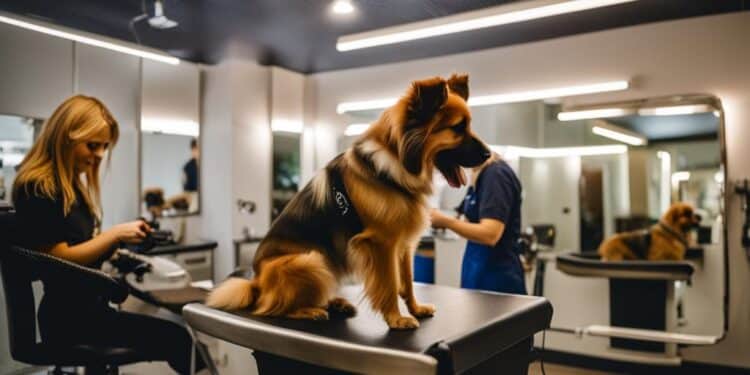
Grooming your furry companion may seem like a simple task, but for pet owners of anxiety-prone dogs, it can be a challenging and overwhelming experience. Unfortunately, when these dogs become stressed, it can complicate the grooming process, making it unpleasant for both you and your pet. However, with the right grooming strategies, you can create a calming environment and make grooming a stress-free spa day for your beloved pet.
Through this guide on “Dog Grooming for Anxiety-Prone Dogs,” we will explore how to recognize signs of anxiety, review calming techniques, and examine various tools and products that can reduce stress during the grooming process. With the help of our expert tips, you can ease your dog’s anxiety and create a positive grooming experience. So let’s dive in and discover effective grooming strategies for anxiety-prone dogs.
Understanding Canine Anxiety
Dogs are beloved pets and companions, but they can also experience anxiety just like humans.
Canine anxiety is a condition that affects many dogs, and it can be triggered by various factors such as loud noises, changes in routine, or unfamiliar environments. Anxiety in dogs can manifest in different forms, including:
- Aggression: dogs may become more aggressive or bite when they feel anxious
- Trembling or shaking: dogs may visibly shake or tremble when anxious
- Pacing or restlessness: dogs may wander or pace around more when feeling anxious
- Whimpering or barking: dogs may vocalize more when they feel anxious
It’s important for pet owners to be able to recognize signs of anxiety in their dogs, particularly during grooming sessions. A grooming session can be particularly stressful for dogs due to the unfamiliar sights, smells, and sounds involved.
Causes of Canine Anxiety
There can be various causes of anxiety in dogs, including:
| Cause | Symptoms |
|---|---|
| Loud noises | Shaking, barking, hiding, restlessness |
| Separation anxiety | Destructive behavior, excessive barking or howling, pacing |
| Illness or injury | Changes in appetite, lethargy, excessive licking or grooming |
| Past traumatic experiences | Avoidance behavior, hiding, aggression, fearfulness |
It’s important to consult with a veterinarian to rule out any underlying medical conditions causing anxiety in dogs. In some cases, medication may be necessary to manage anxiety symptoms.
Next, we’ll explore how to create a stress-free environment for grooming anxious dogs.
Creating a Stress-Free Environment
Creating a stress-free environment is key to making grooming a positive experience for dogs. Whether you’re grooming your pup at home or taking them to a professional salon, there are several things you can do to create a calm and relaxing atmosphere.
Choose the Right Location
When setting up your grooming station, it’s important to choose a location that is quiet and free from distractions. This could be a spare room in your home or an isolated area of your yard. Avoid busy areas or rooms with loud noises and consider using white noise machines or calming music to help drown out any distracting sounds.
Use Calming Scents
Another way to create a stress-free environment is to use calming scents. Essential oils like lavender, chamomile, and vanilla have been proven to reduce stress and anxiety in dogs. You can use a diffuser or spritz a calming spray in the grooming area to help your dog relax.
Provide Comfortable Amenities
Dogs are more likely to feel at ease in a calming environment that offers comfortable amenities. Provide a non-slip mat for your pup to stand on during grooming and consider using a comfortable grooming table with a non-slip surface. You may also want to offer your dog a few treats throughout the grooming session as positive reinforcement.
Minimize Time Spent in a Crate
For dogs who experience crate anxiety, it’s important to minimize the time they spend in a crate during grooming sessions. Instead, try using a calming wrap or sweater to provide your dog with a sense of security and comfort. If necessary, you can also break up the grooming process into shorter sessions to prevent your dog from feeling overwhelmed.
Preparing for Successful Grooming
Preparing your dog for grooming is key to ensure a successful and stress-free experience. Start by setting the grooming environment in a calm and peaceful setting to help your furry friend relax and remain calm throughout the process.
Before the grooming session, ensure that your dog’s coat is free from knots, tangles, or mats by thoroughly brushing it. Use a soft brush to avoid causing any discomfort to your pet. If your dog is anxious about being brushed, start by desensitizing it to the sensation by brushing it gently and rewarding it with treats. Repeat the process regularly to make your dog comfortable with this grooming tool.
Tip: If your dog has a sensitive coat, consider using a detangling spray to make the process gentler and more pleasant for your pet.
Another important aspect of grooming preparation is desensitizing your dog to other grooming tools. Introduce the clipping sound to your pet by exposing it to the noise gradually and at a low volume. Increase the volume gradually as your dog becomes more accustomed to the sound, offering treats or toys as a reward. Once your dog is comfortable with the sound, introduce it to the clipper by letting it sniff and inspect the tool before turning it on.
Tip: Use a low-noise clipper to minimize the sound and vibration, making the experience less stressful for your dog.
Helpful Tips for Successful Grooming Preparation
| Tips | Description |
|---|---|
| Introduce grooming tools early | The earlier your pet is exposed to grooming tools, the more comfortable it will be with them. Introduce grooming tools gradually to desensitize your pet to their use, rewarding good behavior with treats or toys. |
| Schedule grooming sessions regularly | Establish a grooming routine that suits your pet’s needs. Regular grooming sessions can be shorter and less stressful for your dog than longer, irregular ones. Plus, it helps to keep your dog’s coat healthy and clean throughout the year. |
| Maintain a calm environment | Creating a calm and peaceful grooming environment can help reduce anxiety in your pet. Play soft, calming music or use aromatherapy sprays to set the tone. Ensure a stress-free environment by reducing noise and distractions and keeping the grooming area clean and organized. |
By following these tips, you can ensure that your dog is ready for a successful grooming session, and the grooming process becomes a bonding and relaxing experience for both you and your furry friend.
The Power of Positive Reinforcement
Positive reinforcement is a proven method for training and behavior modification, and it can be just as effective when used during grooming sessions with anxiety-prone dogs. This technique involves rewarding your furry friend for good behavior, such as staying calm during brushing or allowing you to trim their nails without fuss. By using treats, praise, or playtime as rewards, you can help build your dog’s confidence and establish a positive association with grooming.
It’s important to note that positive reinforcement should only be used in conjunction with other anxiety-reducing techniques, such as creating a stress-free environment and using anxiety-friendly grooming tools. When used together, these methods can create a calming and enjoyable grooming experience for both you and your furry friend.
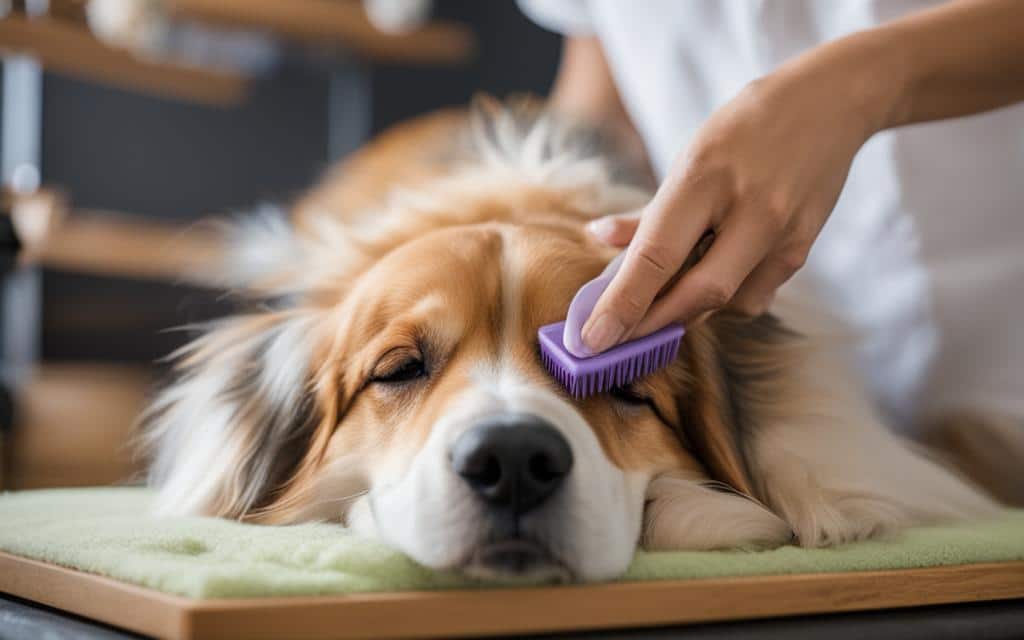
One effective way to use positive reinforcement during grooming is to start small and gradually work up to more challenging tasks. For example, you can reward your dog for sitting still while you brush their fur, then move on to rewarding them for letting you trim their nails. This gradual approach can help your pooch feel more comfortable and confident with each grooming session.
Remember to stay patient and consistent with positive reinforcement. Over time, your dog will come to enjoy grooming sessions and may even look forward to them as a fun activity!
Anxiety-Friendly Grooming Tools and Products
When grooming an anxiety-prone dog, it’s important to choose the right tools to ensure a stress-free experience. Luckily, there are plenty of anxiety-friendly grooming tools and products on the market to help soothe your furry friend. Here are some options to consider:
| Grooming Tool/Product | Description |
|---|---|
| Gentle Brushes | Soft-bristled brushes can help ease anxiety in dogs by providing a gentle and comfortable grooming experience. |
| Low-Noise Clippers | Loud clippers can be overwhelming for dogs with anxiety, so opt for clippers specifically designed to emit minimal noise. |
| Calming Sprays | Calming sprays containing natural ingredients like lavender and chamomile can help relax dogs during the grooming process. |
Pro Tip: When selecting grooming tools and products, be sure to read reviews and consult with your veterinarian or professional groomer to ensure you’re using the most effective and safe products for your dog’s individual needs.
“Choosing the right grooming tools and products can make all the difference in creating a positive grooming experience for your anxious dog.”
Step-by-Step Grooming Process
While grooming can be stressful for anxiety-prone dogs, following a step-by-step process can help ease their anxiety and make the experience more comfortable for them. Here’s how you can approach each task:
- Brushing: Begin by gently brushing your dog’s coat with a soft-bristled brush to remove any tangles or mats. Use slow, deliberate strokes, and give your dog plenty of positive reinforcement throughout the process.
- Bathing: Fill a tub with warm water and use a gentle dog shampoo to lather up your pup. Be careful not to get any soap in their eyes or ears. Rinse thoroughly, and consider using a calming spray or aromatherapy diffuser during the bath.
- Drying: Use a low-heat blow dryer or a soft towel to dry your dog’s coat, being careful not to overheat them. Use a brush to fluff their fur as you dry them and offer lots of praise and treats throughout the process.
- Nail Trimming: Use sharp, anxiety-friendly nail trimmers to clip the tips of your dog’s nails, being careful not to cut the quick. Take breaks as needed and offer plenty of praise and treats to keep your dog calm.
- Ear Cleaning: Use a gentle ear-cleaning solution and cotton balls to clean your dog’s ears. Take your time and be gentle to avoid causing any discomfort.
Remember to take breaks as needed and provide plenty of treats and positive reinforcement throughout the process to keep your dog relaxed and happy.

Calming Techniques During Grooming
Grooming can be a stressful experience for dogs, especially for those prone to anxiety. Fortunately, there are several techniques you can implement to help soothe your furry friend during grooming sessions.
Massage
A gentle massage can work wonders in calming an anxious dog during grooming. Start by petting your dog and gradually move into gentle massage strokes. Focus on areas where your dog holds tension, such as the neck, shoulders, and back. This technique helps to release endorphins, which can boost your dog’s mood and reduce anxiety levels.
Aromatherapy
The use of essential oils can have a calming effect on anxious dogs. For example, lavender oil has been shown to lower heart rate and blood pressure, promoting relaxation. Simply add a few drops of the oil to a diffuser near your grooming area or add it to a spray bottle with water to create a mist.
Music Therapy
Soft, soothing music can help to distract an anxious dog and create a calming environment during grooming. Consider playing classical music or natural sounds such as rain, ocean waves, or birds chirping. The goal is to create a quiet and peaceful atmosphere that encourages relaxation and reduces stress.
By incorporating these calming techniques into your grooming routine, you can help to create a stress-free experience for your anxious dog. Remember to take your time and be patient, giving your furry friend all the love and care they need to feel safe and comfortable.
Professional Help: Groomers Experienced with Anxious Dogs
If you are struggling to groom your anxious dog or are looking for ways to help minimize their stress, seeking professional help from a groomer experienced with anxiety-prone dogs might be your best option.
Not all groomers are created equal and it’s important to find a groomer who understands the needs of anxious dogs. Look for a groomer who is patient, gentle, and has experience working with dogs who have anxiety.
Ask for referrals from friends or family who also have anxiety-prone dogs, and search for reviews online to find a skilled and professional groomer in your area.
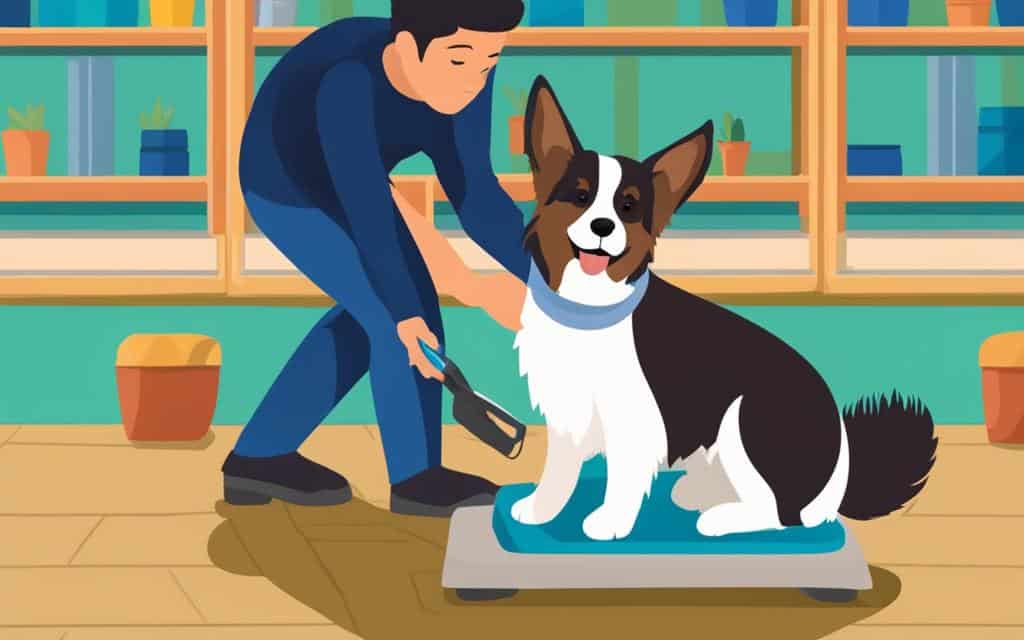
Remember, a groomer’s job is not just to make your dog look good, but to also ensure they feel safe and comfortable throughout the grooming process. By finding a skilled groomer experienced with anxious dogs, you can give your furry friend the stress-free spa day they deserve.
Maintenance and Routine for Anxiety-Prone Dogs
Establishing a consistent grooming routine can do wonders for reducing anxiety in your furry friend. By making grooming a regular part of their routine, you can help them become more comfortable with the process. Here are some tips for maintaining a low-stress grooming routine:
- Brushing: Brush your dog’s coat regularly to prevent matting and tangling that can be painful and stressful to remove.
- Bathing: Bathe your pup no more than once a month, as over-bathing can strip their coat of essential oils.
- Nail Trimming: Trim your dog’s nails every few weeks to prevent them from becoming too long and uncomfortable.
- Teeth Cleaning: Brush your dog’s teeth regularly to promote good dental hygiene and prevent tartar buildup.
- Ear Cleaning: Clean your dog’s ears with a gentle solution to prevent infection.
Remember to always reward your pup with treats and praise after each grooming session.
Conclusion
Overall, grooming can be a stressful experience for anxiety-prone dogs, but there are several soothing techniques pet owners can use to make the process more comfortable for their furry friends.
Understanding the signs of anxiety in dogs and creating a stress-free environment are key steps in setting up a successful grooming session. Additionally, preparing both your dog and yourself for the grooming process and incorporating positive reinforcement techniques can help reduce stress and build confidence.
Choosing anxiety-friendly grooming tools and products, such as low-noise clippers and calming sprays, can also go a long way in making the experience more pleasant for your pet.
During the actual grooming process, it’s important to take things slowly and incorporate calming techniques like massage and aromatherapy to soothe anxious dogs. Seeking professional help from a groomer experienced with anxious dogs can also provide valuable guidance and support.
By implementing these anxiety-friendly grooming techniques, pet owners can provide their dogs with a stress-free spa day and ensure their furry friends look and feel their best.
FAQ
Can grooming trigger anxiety in dogs?
Yes, grooming can sometimes trigger anxiety in dogs, especially if they have had negative experiences in the past or are generally prone to anxiety. It’s important to take steps to create a calm and soothing environment during grooming to help alleviate their anxiety.
How can I tell if my dog is experiencing anxiety during grooming?
There are several signs to look out for that may indicate that your dog is experiencing anxiety during grooming. These signs can include panting, trembling, trying to escape, excessive barking or whining, and showing signs of aggression or fear. It’s important to monitor your dog’s behavior and recognize these signs to adjust your grooming approach accordingly.
What can I do to create a stress-free grooming environment for my dog?
To create a stress-free grooming environment for your dog, you can start by choosing a quiet and peaceful location for the grooming session. It’s also helpful to use calming techniques such as playing soft music, using aromatherapy, and providing reassuring touch. Additionally, introducing your dog to the grooming tools gradually and offering treats or rewards can help create a positive association with grooming.
How can I prepare my dog for a successful grooming session?
Preparing your dog for a successful grooming session involves desensitizing them to the grooming tools, introducing them to the grooming area gradually, and establishing a brushing routine early on. It’s important to be patient and positive throughout the process, rewarding your dog for good behavior and gradually increasing the length and intensity of the grooming sessions.
What role does positive reinforcement play in grooming anxiety-prone dogs?
Positive reinforcement is crucial when grooming anxiety-prone dogs as it helps build their trust and confidence. By using treats, praise, and rewards, you can reinforce positive behaviors during grooming, making it a more positive and enjoyable experience for your dog.
Are there any grooming tools or products that can help reduce anxiety in dogs?
Yes, there are grooming tools and products specifically designed to reduce anxiety in dogs. These may include gentle brushes with soft bristles, low-noise clippers, and calming sprays or pheromone diffusers. These tools and products can help create a more comfortable and soothing grooming experience for your dog.
How can I approach the grooming process step-by-step with an anxious dog?
When grooming an anxious dog, it’s important to break the grooming process into smaller steps. Start by introducing them to the grooming area and tools without actually performing any grooming tasks. Gradually progress to brushing, bathing, and trimming, always ensuring that your dog is comfortable and at ease before moving on to the next step.
What are some calming techniques that can be used during grooming?
There are several calming techniques that can be used during grooming to help alleviate anxiety in dogs. These techniques can include gentle massage, using aromatherapy oils, playing soothing music, and providing distractions like interactive toys or treats. Experiment with different techniques to find what works best for your dog.
How can I find a groomer experienced with anxious dogs?
To find a groomer experienced with anxious dogs, you can ask for recommendations from friends, family, or your veterinarian. It’s important to communicate your dog’s anxiety issues and ask the groomer about their experience and strategies for working with anxious dogs. You can also arrange a visit or consultation with the groomer to see if they’re a good fit for your dog’s needs.
How often should I groom my anxiety-prone dog to maintain their well-being?
The frequency of grooming for an anxiety-prone dog may vary depending on their individual needs and coat type. However, establishing a regular grooming routine is essential to maintaining their well-being. This routine can include brushing sessions every 1-2 days, bathing every 4-6 weeks, and regular nail trims. Consistency and maintaining a predictable schedule can help reduce stress during grooming.
How can I ensure a stress-free spa day for my anxious dog?
To ensure a stress-free spa day for your anxious dog, it’s important to implement calming techniques, create a relaxing environment, and use anxiety-friendly grooming tools and products. By focusing on your dog’s comfort, using positive reinforcement, and seeking professional help when needed, you can help make the grooming experience enjoyable and stress-free for your beloved pet.