Clear Ears, Happy Pup: Proper Techniques for Ear Cleaning
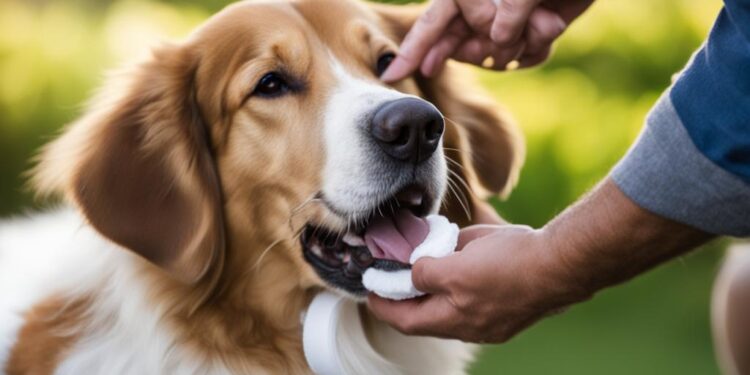
Your furry friend’s overall health is crucial, and proper ear care is an essential part of it. Ear infections are common in dogs, but they can be prevented by regular cleaning. In this article, we’ll guide you through some expert ear cleaning techniques that will ensure your dog’s ears stay clean, healthy, and infection-free.
Ear cleaning not only prevents infections but also helps in the early detection of any potential ear problems. In this article, we will cover everything you need to know about dog ear care and how to prevent ear infections through proper cleaning techniques.
So, let’s dive into the essential ear cleaning techniques and tips for your furry pal.
Understanding the Importance of Ear Cleaning
Dogs rely heavily on their sense of hearing to navigate the world around them, making ear care a crucial aspect of their overall health. By maintaining proper ear hygiene, you can prevent potential infections and discomfort in your beloved pet.
Ear infections are a common issue in dogs, particularly those with long floppy ears. Other factors that can increase the likelihood of ear infections include allergies, moisture accumulation, and foreign objects in the ear canal.
Regular cleaning is an effective way to prevent infection and ensure your dog’s comfort. It’s recommended to clean your dog’s ears at least once a month, although some breeds may require more frequent cleaning.
Signs of Ear Problems in Dogs
Preempting an ear infection in your dog requires paying attention to their behavior and habits. When left untreated, ear infections can cause pain and discomfort for your furry friend. To keep your dog’s ears healthy and prevent any potential issues, keep an eye out for these common symptoms:
| Symptoms of Ear Problems in Dogs | Description |
|---|---|
| Head shaking or tilting | Your dog may be trying to clear debris or fluid from their ears |
| Ear Discharge | Brown, yellow, or bloody discharge may be a sign of an ear infection |
| Foul odor | A rotten smell coming from the ear is a sign of infection |
| Redness and swelling | The ear canal may appear red, swollen, or inflamed |
| Excessive scratching or rubbing | Your dog may be trying to relieve itchiness caused by an infection or irritation |
| Visible debris or foreign objects | Dirt, wax, or even small objects can get stuck in your dog’s ears, causing discomfort or infection |
If you notice any of these symptoms or any other unusual behavior, consult your veterinarian immediately to discuss proper treatment. Early detection and intervention can prevent future complications and keep your dog’s ears healthy.
Getting Started with Ear Cleaning
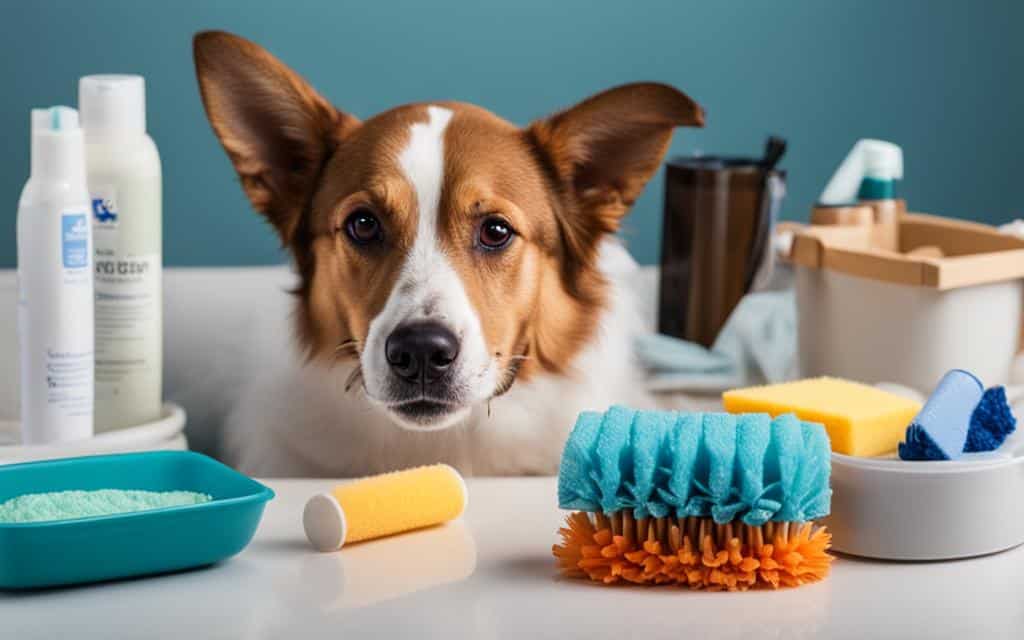
Proper ear cleaning requires the right supplies and a comfortable environment for your dog. To get started, you’ll need:
- Ear cleaning solution: Choose a gentle, veterinarian-recommended cleaning solution that is free from harsh chemicals, such as alcohol.
- Cotton balls or pads: Use these to apply the cleaning solution and gently wipe away debris from your dog’s ears. Avoid using cotton swabs, as they can push debris further into the ear canal.
- Treats and positive reinforcement: Make ear cleaning a positive experience for your dog by rewarding them with treats and praise throughout the process.
It’s a good idea to choose a location for ear cleaning that is calm and quiet to help ease your dog’s nerves. Consider playing soothing music or using aromatherapy to create a relaxing environment. Remember to always approach ear cleaning with patience and a gentle touch.

Tips for Comfortable Ear Cleaning
Gently massage your dog’s ears before beginning the cleaning process to help them relax. Be sure to stop if your dog becomes agitated or uncomfortable and try again later when they are more relaxed. Additionally, avoid cleaning your dog’s ears too frequently, as this can cause irritation and inflammation.
Step-by-Step Guide to Proper Ear Cleaning
Proper ear cleaning is crucial to prevent ear infections and keep your dog comfortable. Follow these simple steps to effectively clean your pet’s ears:
- Gather supplies: You will need ear cleaning solution, cotton balls, and treats to reward your dog for good behavior.
- Prepare the environment: Choose a quiet area where your dog feels relaxed and comfortable. Place a towel or mat on the floor to catch any spills or drips.
- Examine the ears: Look inside your dog’s ears for any signs of redness, discharge, or foul odor. If you notice any of these symptoms, consult with your veterinarian before cleaning the ears.
- Apply ear cleaning solution: Squeeze a few drops of the ear cleaning solution into your dog’s ear canal. Gently massage the base of the ear for 10-20 seconds to help dislodge any debris.
- Clean the ear: Use a cotton ball to wipe away any excess cleaning solution and debris from the ear. Be gentle and avoid pushing debris deeper into the canal.
- Reward your dog: Give your dog a treat and plenty of praise for cooperating during the ear cleaning process.
Tips for Handling Resistant Dogs
If your dog is resistant to ear cleaning, try these tips to make the process a little easier:
- Use a calming voice and reassure your dog throughout the cleaning process.
- Start slowly, cleaning one ear at a time, and gradually increase the time spent cleaning each ear.
- If your dog becomes too agitated, take a break and try again later.
With patience and consistency, your dog will become more comfortable with ear cleaning over time.
Preventing Ear Infections
Ears are a sensitive area for dogs, making them vulnerable to infection-causing bacteria. By incorporating regular ear cleaning into your dog’s grooming routine, you can help prevent ear infections.
Here are some ear cleaning tips to keep your pup’s ears healthy:
- Clean your dog’s ears at least once a week.
- Use a gentle ear cleaning solution specifically designed for pets.
- Avoid using cotton swabs or Q-tips, as they can push debris further into the ear canal.
- Always dry your dog’s ears thoroughly after cleaning.
- Check for any signs of infection or discomfort, such as redness, swelling, or discharge.
Remember, prevention is key when it comes to ear infections. By following these ear cleaning tips, you can help keep your dog’s ears clean and free from infection-causing bacteria.
Special Considerations for Different Breeds
If you own a dog with floppy ears or long hair, you may need to take special precautions when it comes to ear cleaning. Certain breeds are more prone to ear infections due to their unique anatomy and hair growth patterns. Here are some breed-specific considerations to keep in mind:
| Breed | Considerations |
|---|---|
| Cocker Spaniel | Check for ear infections regularly, especially during summer months |
| Basset Hound | Clean ears weekly, keeping them free of hair and debris |
| Poodle | Have ears plucked and cleaned professionally every 6-8 weeks |
Additionally, dogs with a history of ear infections may require more frequent cleaning and preventative measures. Consult your veterinarian if you have any concerns about your dog’s ear health.
Remember, proper ear care is essential in preventing infections and promoting your dog’s overall health and comfort.
Seeking Veterinary Advice
While regular ear cleaning is crucial for your dog’s ear health, there may be times when seeking professional veterinary advice is necessary. Below are some scenarios where consulting a vet is recommended.
| Scenario | Action |
|---|---|
| Your dog is experiencing severe ear pain or discomfort | Consult your vet immediately as this may signal a more serious condition that requires prompt intervention. |
| There is discharge, redness, swelling or a foul smell coming from your dog’s ears | These are signs of an ear infection. Your vet can properly diagnose and prescribe medication to treat the infection. |
| Your dog has a history of chronic ear infections or other ear issues | In some cases, your vet may recommend a specific ear cleaning routine tailored to your dog’s unique needs. |
During a vet visit for ear problems, expect a thorough examination of the ears, including a visual inspection and possibly a swab to check for bacterial or yeast infections. Your vet may also recommend a cytology test, which involves examining cells from the ear to identify the type of infection present. Depending on the severity of the issue, your vet may prescribe medication or recommend additional treatments.
Always consult with your vet if you have any concerns about your dog’s ear health. With proper care and timely intervention, you can help ensure your dog’s ears stay clean and healthy.
Conclusion
Proper ear cleaning is a crucial aspect of dog ear care that can help prevent ear infections and ensure your pet’s comfort. By following the ear cleaning techniques we have provided in this article, you can keep your furry friend’s ears clean and healthy. Remember to watch out for signs of ear problems in dogs and seek veterinary advice if necessary.
Implementing ear cleaning tips and strategies can go a long way in preventing ear infections. Regular ear cleaning is the key to preventing infections caused by bacteria, yeast, or other microorganisms. Use appropriate ear cleaning solutions and techniques to make the process comfortable for your dog.
It’s also important to consider unique breed requirements when it comes to ear cleaning. Dogs with floppy ears, long hair, or a history of ear issues may require special care.
If you have any concerns about your dog’s ear health, consult a veterinarian. They can provide professional advice and treatment for any ear problems your dog may be experiencing. With proper ear care, you can ensure a happy, healthy pup.
FAQ
Why is ear cleaning important for dogs?
Ear cleaning is important for dogs because it helps remove dirt, debris, and excess wax that can accumulate in their ears. By keeping their ears clean, you can prevent ear infections and promote overall ear health.
How often should I clean my dog’s ears?
The frequency of ear cleaning varies from dog to dog. Some dogs may require more frequent cleaning, especially those prone to ear infections. It is best to consult with your veterinarian who can recommend an appropriate ear cleaning schedule for your dog based on their specific needs.
What are the signs of ear problems in dogs?
The signs of ear problems in dogs may include constant scratching or rubbing of the ears, redness or inflammation of the ear canal, excessive wax or discharge, foul odor, sensitivity or pain when the ears are touched, and hearing loss. If you notice any of these symptoms, it is important to consult with your veterinarian for proper diagnosis and treatment.
How do I clean my dog’s ears?
To clean your dog’s ears, you will need a veterinarian-approved ear cleaning solution and some cotton balls or gauze pads. Gently lift the ear flap and apply a few drops of the cleaning solution into the ear canal. Massage the base of the ear for a few seconds to help loosen any debris. Then, use a cotton ball or gauze pad to gently wipe away the dirt, wax, and excess solution. Be sure to avoid using cotton swabs or inserting anything deep into the ear canal, as this can cause damage.
My dog is not cooperating during ear cleaning. What should I do?
If your dog is resistant to ear cleaning, it’s important to approach the process with patience and gentle handling. You can try distracting your dog with treats or engaging them in a favorite activity to help keep them calm. If the resistance persists, consider seeking the assistance of a professional dog groomer or veterinarian who can provide guidance and help make the experience less stressful for your dog.
Are there any breed-specific considerations for ear cleaning?
Yes, different dog breeds may have specific considerations when it comes to ear cleaning. Breeds with floppy ears, such as Cocker Spaniels or Basset Hounds, may need more frequent cleaning due to reduced air circulation. Breeds with long hair around the ears, like Poodles or Shih Tzus, may require extra attention to ensure that hair does not block the ear canal. Additionally, some breeds may have a higher predisposition to ear infections, so regular cleaning and monitoring are crucial. Consult with your veterinarian to understand any breed-specific considerations for your dog.
When should I seek veterinary advice for my dog’s ear health?
It is recommended to consult a veterinarian if you notice any signs of ear problems in your dog or if they are experiencing persistent discomfort, pain, or recurrent infections. Additionally, if you are unsure about how to properly clean your dog’s ears or if there are any specific concerns, a veterinarian can provide guidance, perform a thorough ear examination, and recommend appropriate treatment or further testing if needed.