Green Peas for Dogs: Healthy or Harmful?
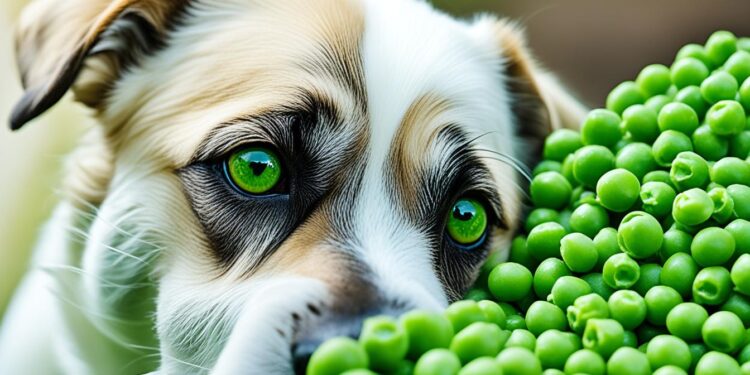
Dogs are known for their love of food, and as pet owners, we want to ensure that we are feeding them the right things. Green peas, with their vibrant color and delicious taste, may seem like a healthy option to add to our dogs’ diet. But are they really safe? Let’s explore the nutritional benefits, safety precautions, and potential risks of feeding green peas to our furry friends.
Key Takeaways:
- Green peas are safe for dogs and can offer several nutritional benefits.
- They are rich in vitamins, minerals, fiber, and protein, supporting your dog’s immune system, digestion, and overall health.
- Certain types of peas, like snap peas and black-eyed peas, as well as frozen peas, are safe for dogs.
- Moderation is key, as excessive pea consumption can lead to digestive issues.
- Consulting with a veterinarian is essential before introducing any new food into your dog’s diet.
Peas and the Link to Dilated Cardiomyopathy in Dogs
Recent research has raised concerns about the link between peas as a primary ingredient in dog food and dilated cardiomyopathy (DCM) in dogs. DCM is a heart disease that can be genetic or caused by various factors, including diet. The FDA has received cases of DCM in dogs associated with diets containing high levels of legume seed ingredients like peas. However, it is important to note that the cause-effect relationship between peas and DCM is still being investigated, and more research is needed to establish a definitive link.
DCM is characterized by an enlarged heart muscle, which can lead to decreased heart function and potential heart failure. Some dog breeds, such as Golden Retrievers, Doberman Pinschers, and Boxers, are genetically predisposed to DCM. However, the recent instances of DCM in dogs without a genetic predisposition have raised concerns about the potential role of diet, particularly diets high in peas and other legume seed ingredients.
The inclusion of peas as a main ingredient in dog food has increased in recent years due to their nutritional benefits and alternative protein sources. Peas are a good source of dietary fiber, vitamins, and minerals. They also provide essential amino acids and can be a valuable protein source for dogs with certain dietary sensitivities or allergies. However, the potential link between peas and DCM has raised questions about their safety as a primary ingredient in dog food.
To address these concerns, the FDA has been investigating the potential connection between diet and DCM in dogs. The ongoing investigation aims to understand the role of various factors, including ingredients like peas, in the development of the disease. While the investigation is still underway, it is advisable for dog owners to discuss their dog’s diet and food options with a veterinarian.
In the meantime, dog owners can consider several factors when choosing dog food that includes peas as an ingredient. Look for dog food brands that follow established guidelines for nutritional adequacy, as set by the Association of American Feed Control Officials (AAFCO), and have a balanced formulation that meets your dog’s specific nutritional needs. Additionally, consulting with a veterinarian can help ensure that your dog’s nutritional requirements are met while minimizing the potential risk of DCM.
It is important to note that DCM is a complex disease with multiple factors at play, and diet is just one potential contributing factor. Dog owners should remain vigilant and monitor their dogs for any signs of heart disease, such as coughing, difficulty breathing, fatigue, or exercise intolerance. If any concerning symptoms are observed, prompt veterinary attention should be sought.
Key Takeaways:
- Research has raised concerns about the link between peas as a primary ingredient in dog food and dilated cardiomyopathy (DCM) in dogs.
- DCM is a heart disease that can be genetic or caused by various factors, including diet.
- While the cause-effect relationship between peas and DCM is still being investigated, the FDA has received cases of DCM in dogs associated with diets high in legume seed ingredients like peas.
- Dog owners are advised to consult with a veterinarian to discuss their dog’s diet and food options to ensure nutritional needs are met and to monitor for any signs of heart disease.
- Choosing dog food brands that follow established nutritional guidelines and consulting with a veterinarian can help minimize potential risks.
“The potential link between peas and DCM in dogs is currently under investigation, and dog owners should stay informed and discuss their dog’s diet with a veterinarian.”
Feeding Peas to Dogs: Precautions and Recommendations
When serving peas to dogs, it is crucial to take certain precautions and follow recommended practices to ensure their safety and well-being.
First and foremost, it is important to serve peas to dogs in their plain form, without any added ingredients such as salt, butter, or spices. These additives can be harmful to dogs and may lead to digestive issues or other health problems.
Cooking or steaming peas until tender is advisable, especially for dogs with difficulty chewing or swallowing. This ensures that the peas are easily digestible and reduces the risk of any discomfort or choking hazards.
Dogs should be introduced to peas gradually, incorporating them into their diet slowly. This approach helps their digestive system adapt to this new food item and minimizes the chances of any digestive upset, such as gas or diarrhea.
As a general guideline, peas should constitute no more than 10% of a dog’s overall calorie intake. It is essential to maintain a well-balanced diet for your furry friend, with the majority of their nutrition coming from high-quality dog food. The appropriate serving size of peas varies based on the dog’s weight, ranging from 1 teaspoon to 3 tablespoons per day. However, it is crucial to consult with a veterinarian for personalized recommendations tailored to your dog’s specific needs and health conditions.
Feeding peas to dogs can be a healthy addition to their diet, providing valuable nutrients and fiber. By following these precautions and recommendations, you can ensure that your canine companion enjoys the benefits of peas while maintaining their overall health and well-being.
FAQ
Can dogs eat green peas?
Yes, dogs can eat green peas. They are safe for dogs and provide several nutritional benefits.
What nutritional benefits do green peas offer for dogs?
Green peas are a rich source of vitamins, minerals, fiber, and protein, which can support your dog’s immune system, digestion, and overall health.
Are there any precautions to take when feeding peas to dogs?
Yes, it is important to feed peas to dogs in moderation and serve them plain without added ingredients. Peas should be introduced slowly to avoid digestive issues.
Are all types of peas safe for dogs?
Frozen peas and certain types of peas like snap peas and black-eyed peas are safe for dogs. However, canned peas that are high in sodium should be avoided.
Can peas cause digestive issues in dogs?
Yes, excessive consumption of peas can lead to digestive issues like gas and diarrhea in dogs. It is important to feed peas in moderation.
How much peas should I feed my dog?
The appropriate serving size of peas for dogs depends on their weight and should make up no more than 10% of their overall calorie intake. It is best to consult with a veterinarian for personalized recommendations.
Is there a link between peas and heart disease in dogs?
Recent research has raised concerns about the link between peas as a primary ingredient in dog food and dilated cardiomyopathy (DCM) in dogs. However, more research is needed to establish a definitive link.
What precautions should I take when serving peas to my dog?
Peas should be served cooked or steamed until tender, especially for dogs with difficulty chewing or swallowing. It is best to consult with a veterinarian for personalized recommendations based on your dog’s specific needs and health conditions.
Can I add salt, butter, or spices to peas for my dog?
No, peas should be served plain without any added ingredients like salt, butter, or spices when feeding them to dogs.
Should I consult with a veterinarian before feeding peas to my dog?
Yes, it is always recommended to consult with a veterinarian before introducing any new foods to your dog’s diet to ensure their nutritional needs are met and to monitor for any signs of allergies or digestive issues.