Managing Hyperactivity in Dogs through Training
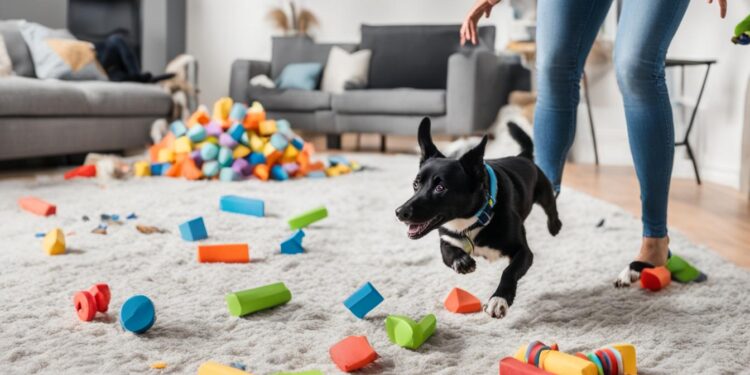
Dogs can bring joy and companionship to our lives, but sometimes their boundless energy and hyperactivity can become overwhelming. Understanding how to manage their hyperactivity is crucial for their well-being and your sanity. In this article, we will explore effective techniques for managing hyperactivity in dogs through training.
Hyperactivity in dogs is often a result of under-exercise and a lack of appropriate reinforcement for calm behavior. To address this, a successful hyper dog behavior modification program consists of physical exercise, energy management, and behavior modification.
Providing sufficient exercise, both mentally and physically, is key to managing hyperactive dogs. This can include activities like hiking, fetch, socialization, and long walks. Indoor games like “Find It” and “Hide and Seek” can also help redirect their energy. Positive-reinforcement training techniques can teach dogs self-control and calmness, ensuring they understand what is expected of them.
In the following sections, we will delve deeper into the importance of exercise, explore games for hyperactive dogs, discuss positive-reinforcement training methods, and identify signs of hyperactivity in puppies. By implementing these techniques consistently and patiently, you can help transform your hyperactive dog into a calm and well-behaved companion.
Exercise is Key for Managing Hyper Dogs
Regular exercise plays a crucial role in managing hyper dogs and promoting their overall well-being. By providing them with ample physical activity, we can effectively drain their excess energy and enable them to focus during training sessions. Engaging hyper dogs in various physical exercises offers not just mental and physical stimulation, but also an outlet for their boundless energy.
Here are some recommended activities to help manage hyper dogs and promote energy management:
- Hiking: Taking your hyper dog for hikes allows them to explore their surroundings, challenge their senses, and experience the joys of nature. It provides them with a stimulating and energy-draining adventure.
- Fetch: This classic game not only provides physical exercise but also engages your hyper dog mentally by stimulating their chasing and retrieving instincts.
- Dog Parks and Playdates: Allowing hyper dogs to socialize and play with their furry friends at dedicated dog parks or arranging playdates can offer both mental and physical stimulation. These interactions encourage healthy energy release and positive social behaviors.
- Leashed Walks and Long Lines: If outdoor exercise options are limited, a long walk on a leash or using a long line can provide hyper dogs with the opportunity to explore their surroundings and channel their energy through physical movement.
- Pack and Cart Activities: Consider engaging your hyper dog in activities that involve carrying a pack or pulling a cart. These activities give them a sense of purpose and allow them to utilize their excess energy positively.
| Activity | Description |
|---|---|
| Hiking | Takes hyper dogs on nature adventures, stimulating their senses and providing energy-draining opportunities. |
| Fetch | Engages hyper dogs mentally and physically by tapping into their chasing and retrieving instincts. |
| Dog Parks and Playdates | Offers hyper dogs socialization opportunities and promotes healthy energy release through play and interaction with other dogs. |
| Leashed Walks and Long Lines | Allows hyper dogs to explore their surroundings and burn off energy, even in restricted outdoor environments. |
| Pack and Cart Activities | Engages hyper dogs in purposeful tasks, such as carrying a pack or pulling a cart, to channel their energy positively. |
Additionally, it’s important to provide variety and adapt the exercise routine to suit your hyper dog’s individual needs and abilities. Always prioritize their safety and be mindful of any physical limitations they may have. Remember, exercise is not just about physical exertion but also about mental stimulation and energy management.
Exercise alone cannot fully address hyperactivity in dogs; it should be supplemented with behavior management and positive-reinforcement training techniques. These approaches, when combined, provide a well-rounded strategy for managing hyper dogs and creating a harmonious home environment.
Games for Hyperactive Dogs
When outdoor exercise is not possible, there are several indoor activities that can help manage hyperactive dogs and provide them with the mental stimulation they need. These games are not only fun for your furry friend, but they also help redirect their energy in a positive way.
1. “Find It”
Engaging their sense of smell with hidden treats
The game of “Find It” is a great way to engage your hyperactive dog’s sense of smell and provide mental stimulation. Simply hide treats around the house and encourage your dog to use their nose to find them. This activity not only keeps them physically engaged, but it also taps into their natural instincts and provides a rewarding challenge.
2. “Hide and Seek”
Fun variation with a mental twist
Another game that can provide mental stimulation for hyperactive dogs is “Hide and Seek.” In this game, the owner hides and the dog has to find them. It not only requires them to use their smell but also challenges them mentally as they search for their favorite human. This game is also a great bonding activity between you and your dog.
3. Treat-Dispensing Toys
Mental stimulation and rewards for calm behavior
Treat-dispensing toys, such as the Manners Minder, can be a lifesaver when it comes to managing hyperactive dogs. These toys require the dog to interact with them in order to retrieve treats. Not only does this provide mental stimulation, but it also rewards calm behavior as they learn to patiently work for their rewards.
4. Interactive Tug
Bonding and redirecting intense energy
Playing tug with your hyperactive dog can help redirect their intense energy in a positive way. This interactive game allows you to engage with your dog, have fun together, and also provide an outlet for their excitement. Just make sure to establish clear rules and boundaries to prevent overstimulation.
5. Learning to Catch
Physical coordination and mental focus
Teaching your hyperactive dog to catch can be a great way to channel their energy and improve their physical coordination. Start with soft toys or treats and gradually increase the difficulty level. This game not only engages them physically but also requires mental focus and timing.
6. Canine Exercise Equipment
Supervised physical exercise indoors
If you have the space and resources, using canine exercise equipment like treadmills or canine exercise wheels can provide a controlled and supervised way for your hyperactive dog to burn energy indoors. It is important to introduce such equipment gradually and under proper supervision to ensure safety and prevent any injuries.
By incorporating these indoor activities into your hyperactive dog’s routine, you can provide them with the mental stimulation they crave, while also redirecting their energy in a positive way. Remember to always supervise your dog during playtime and adjust the activities to their individual needs and abilities.

How to Calm Your Dog with Positive-Reinforcement Training
Positive-reinforcement training techniques can be highly effective in calming hyperactive dogs. By using rewards and positive reinforcement, you can encourage calm behavior and help manage their excessive energy. Here are some key tips for using positive-reinforcement training to calm your dog:
- Use appropriate behavior management tools: Crates and exercise pens can be valuable tools in preventing your dog from engaging in undesirable behaviors. These tools create a controlled environment that limits their ability to practice hyperactive behavior.
- Reward calm behavior: When your dog displays calm behavior, be sure to acknowledge and reward them. This can include verbal praise, treats, or even physical affection. By reinforcing calm behavior, you are reinforcing the understanding that this is the desired state of behavior.
- Ignore excited behavior: Conversely, it is important to avoid rewarding or reinforcing excited behavior. If your dog becomes overly excited or hyperactive, simply ignore their behavior. By not providing any attention or reinforcement, you can discourage this type of behavior.
- Utilize clicker training: Clicker training is a popular positive-reinforcement technique that can be used to teach commands and tricks. By associating the sound of a clicker with rewards, you can further reinforce calm behavior and encourage your dog to focus and respond to your commands.
- Consistency and patience: Training a hyperactive dog to be calm requires consistency and patience. It may take time for your dog to fully grasp the desired behavior, so it is important to remain consistent in your training methods and expectations. Stay patient and persistent, and over time, you will see progress.
By implementing positive-reinforcement training techniques and using appropriate behavior management tools, you can successfully calm your hyperactive dog and foster a more well-behaved and balanced companion.
| Technique | Description | Effectiveness |
|---|---|---|
| Positive Reinforcement | Rewards and reinforces calm behavior | Highly effective |
| Punishment | Uses aversive methods to discourage hyperactivity | Less effective, can have negative side effects |
| Consistency | Sticking to a consistent training routine | Essential for long-term success |
| Applied Behavior Analysis | Utilizes scientific principles to modify behavior | Effective, but requires professional guidance |
Signs To Tell Your Puppy Is Hyperactive
Recognizing signs of hyperactivity in puppies is crucial for addressing and managing their behavior effectively. By understanding the indications of hyperactivity, you can provide the necessary training and attention to help your puppy develop into a well-behaved companion.
- Restlessness: Hyperactive puppies often display restlessness, constantly moving around and struggling to settle down.
- Excessive Barking: Puppies with hyperactivity tend to engage in excessive barking, even in situations where there is no apparent reason.
- Being Clingy: Hyperactive puppies may exhibit clinginess, constantly seeking attention and struggling to be alone.
- Getting into Trouble Frequently: Due to their high energy levels, hyperactive puppies may frequently get into trouble, such as chewing on household items or engaging in destructive behavior.
- Short Attention Span: Hyperactive puppies have difficulty maintaining focus and often struggle to pay attention for extended periods.
By observing these signs, you can identify if your puppy is displaying hyperactive tendencies. Addressing hyperactivity in puppies requires appropriate training and behavior management techniques designed to redirect their energy towards more productive activities.
Important Note: While it’s essential to address hyperactivity, it’s equally important to ensure that puppies receive adequate rest and downtime. Encouraging hyperactive behaviors in puppies can lead to long-term behavior issues.
| Signs of Hyperactive Puppies |
|---|
| Restlessness |
| Excessive Barking |
| Being Clingy |
| Getting into Trouble Frequently |
| Short Attention Span |

Conclusion
Managing hyperactivity in dogs requires a comprehensive approach that combines physical exercise, behavior management, and positive-reinforcement training. By providing ample opportunities for exercise and mental stimulation, as well as reinforcing calm behavior, owners can effectively redirect their dog’s excess energy.
Consistent training is key in transforming hyperactive dogs into well-behaved companions. Positive-reinforcement techniques, such as clicker training and rewarding calm behavior, can help dogs develop self-control and become more attentive. Patience and consistency are essential throughout the training process to achieve long-term success.
Appropriate management tools, like crates and exercise pens, can aid in preventing the dog from practicing undesirable behaviors, while also creating a safe and structured environment for training. By combining exercise, behavior management, and positive-reinforcement training techniques, dog owners can effectively manage hyperactivity and promote better dog behavior.
FAQ
How can I manage hyperactivity in my dog?
Managing hyperactivity in dogs involves a combination of physical exercise, behavior management, and positive-reinforcement training.
What is the importance of exercise for managing hyper dogs?
Regular exercise is crucial for managing hyper dogs as it helps drain their excess energy and allows them to focus during training sessions.
What are some indoor games for hyperactive dogs?
Indoor games like “Find It,” “Hide and Seek,” and using treat-dispensing toys can help redirect their energy and provide mental stimulation.
How can positive-reinforcement training help calm hyperactive dogs?
Positive-reinforcement training techniques, such as clicker training and rewarding calm behavior, can teach dogs self-control and calmness.
How can I tell if my puppy is hyperactive?
Signs of hyperactivity in puppies include restlessness, excessive barking, being clingy, getting into trouble frequently, and having a short attention span.
What are the key points to remember for managing hyperactive dogs?
Managing hyperactive dogs requires a combination of physical exercise, behavior management, and positive-reinforcement training. Consistency and patience are key in achieving long-term success.