Snow-Ready Pups: Winter Coat Care for Your Canine
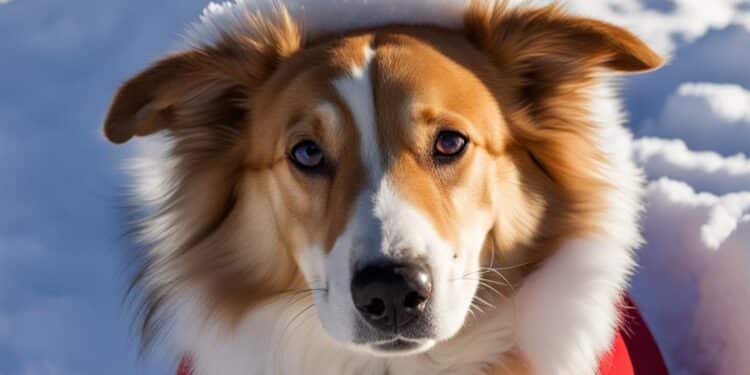
Winter grooming has much more to do than keeping your canine companion looking good. Cold weather coat care is essential to protect your dog from the harsh conditions that come along with snowy adventures. Proper winter coat care involves more than just a warm coat; it’s important to maintain a healthy coat, paws, and skin. In this article, we’ll show you how to keep your furry friend warm and happy during cold weather outings with essential winter grooming tips.
Winter Coat Care is much more than just ‘putting a jacket on your dog.’
Understanding Canine Coats
Canine coats come in a variety of types, and each has its own unique characteristics. Understanding your pup’s coat is vital in determining the appropriate winter coat care routine.
The main types of canine coats are:
| Coat Type | Description |
|---|---|
| Single Coats | These coats have a single layer of hair and do not require as much grooming. They provide minimal protection against the cold and are common in breeds such as Boxers and Greyhounds. |
| Double Coats | These coats have two layers of fur: a dense undercoat and a soft topcoat. They offer better insulation and provide superior protection against the cold. Breeds such as Huskies and Golden Retrievers have double coats. |
| Wool Coats | This type of coat is curly or wavy and provides excellent insulation. They require regular grooming to prevent matting and tangling. Breeds such as Poodles and Bichon Frises have wool coats. |
| Wire Coats | Wire-haired dogs have a coat that is rough, thick, and water-resistant. These coats need regular hand-stripping to remove old hair, and the fur requires regular clipping. Breeds such as Terriers and Schnauzers have wire coats. |
| Curly Coats | Curly-coated breeds have tightly curled or wavy fur that provides excellent insulation. The coat requires regular grooming to prevent tangling and matting. Breeds such as Poodles and Irish Water Spaniels have curly coats. |
| Hairless Coats | Some breeds, such as Chinese Cresteds, have a hairless coat. These dogs require extra care to prevent their skin from getting dry and cracked during the winter months. |
Understanding your dog’s coat type is essential in creating a successful winter grooming routine and preventing discomfort during the cooler months.
Assessing Your Dog’s Coat Needs
Winter coat care is not a one-size-fits-all approach. Different dog breeds have varying coat types and different needs. Assessing your dog’s coat will help you determine which winter grooming routine is best for them.
Start by examining your dog’s coat. Check for any matting, tangles, or knots. Look for any dry or flaky areas on their skin. Understanding their current coat condition will help you tailor your winter grooming plan.
If your dog has a long, thick coat, they may require extra attention during the winter months. These dogs are prone to tangles and matting and may benefit from more frequent brushing and combing. If your dog’s coat is shorter and thinner, they may require less maintenance but still need protection from the cold.
Remember, a healthy coat is an important indicator of overall health. Regular grooming and proper nutrition are essential to maintaining a lustrous winter coat.
Consider your dog’s lifestyle when assessing their coat needs. Does your dog spend more time indoors or outdoors? Are they active and prone to sweating? Are they exposed to harsh weather conditions? These factors can affect your dog’s coat and determine the level of care they require during the winter months.
| Coat Type | Winter Care |
|---|---|
| Short, thin coat | Protect from cold and wet conditions using appropriate winter gear, perform regular coat maintenance |
| Long, thick coat | More frequent brushing and combing, trimming, may require professional grooming, protect from cold and wet conditions using appropriate winter gear |
| Double coat | Maintain the undercoat to provide adequate insulation, protect from cold and wet conditions using appropriate winter gear, perform regular coat maintenance |
Daily Coat Maintenance
During the chilly winter months, daily coat maintenance is essential for keeping your canine companion healthy and comfortable. The following steps offer a straightforward routine that can help maintain your dog’s coat health.
- Regular brushing and combing: Remove any matted fur and tangles, which can be uncomfortable for your dog and lead to skin infections. Use a high-quality brush for your dog’s coat type to prevent damage.
- Prevent matting: Keep your dog’s fur short to prevent matting, but don’t go too short, as the longer hair can provide outstanding insulation when the temperatures outside drop.
- Wipe your dog’s coat: After outdoor activities, wipe off your dog’s coat with a damp towel. This helps remove any snow build-up and prevent matting and tangling.
Remember to be gentle during brushing, especially around sensitive areas, and reward your dog with praise and treats.
By taking a few minutes each day to care for your dog’s coat, you can ensure their fur stays clean, healthy, and tangle-free throughout the winter season, making for a happy pup that’s ready to enjoy snowy adventures.
Bathing Your Dog in Winter
While winter grooming is essential, bathing your dog during the colder months requires special care. It’s important to keep your pup clean and hygienic, but also maintain their coat’s natural oils and protection.
| DOs | DON’Ts |
|---|---|
|
|
When bathing your dog in the winter, remember to do so in a warm and draft-free area. Afterward, towel dry your dog and use a blow dryer on a low setting or air dry them to avoid hypothermia. Ensure to use gentle shampoos and avoid cold water, as it can lead to chills and sickness.
If your dog has a long coat, consider trimming it to avoid matting and tangles. Additionally, always brush your dog’s coat after bathing to ensure even drying and to prevent matting.
“Proper grooming and bathing during winter are crucial to keeping your furry friend healthy and hygienic.”
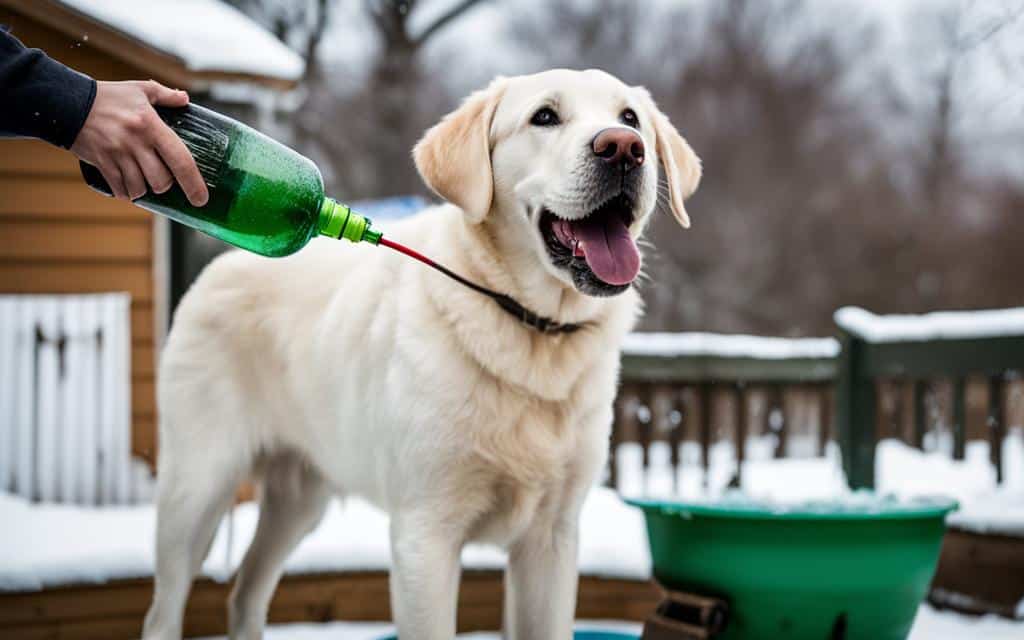
Can I Bathe My Dog in the Snow?
No. Bathing your dog in the snow is not recommended, as it can cause hypothermia and other health issues. Stick to bathing them indoors or in a warm, enclosed area to prevent exposing them to the elements.
Moisturizing Your Dog’s Skin
The cold, dry winter air can strip your dog’s skin of essential oils, leading to dryness, itching, and irritation. To prevent this, it’s crucial to moisturize your dog’s skin regularly. Here are some tips to keep your dog’s skin healthy and hydrated:
- Choose the Right Products: Look for dog-friendly moisturizers that contain natural ingredients like aloe vera, coconut oil, or oatmeal. Avoid using human moisturizers as they may contain ingredients that are harmful to dogs.
- Apply the Moisturizer: Apply the moisturizer to your dog’s skin after bathing or as needed. Be sure to massage it into the skin so that it gets absorbed properly.
- Protect Sensitive Areas: Some areas of your dog’s skin are more prone to dryness, such as the paws, nose, and ears. Apply a thin layer of petroleum jelly or a moisturizing balm to these areas to offer extra protection.
- Monitor Your Dog’s Skin: Keep an eye out for any signs of dryness, flaking, or redness on your dog’s skin. If you notice any changes, consult your veterinarian as soon as possible.
Moisturizing your dog’s skin can go a long way in keeping them comfortable and healthy during the winter months. Remember to choose products that are safe for dogs, apply the moisturizer regularly, and protect sensitive areas of the skin.
Protecting Paws and Legs
Snow and ice can cause discomfort and damage to your dog’s delicate paws and legs. Taking protective measures can help avoid problems during winter outings. Here are some tips to keep in mind:
- Moisturize: Just like with human skin, dog paws can benefit from moisturizing during dry winter months. You can use a natural paw balm or petroleum jelly to prevent cracking.
- Wipe down: After a winter walk, wipe down your dog’s paws and legs to remove any snow or ice buildup. This helps prevent irritation and matting.
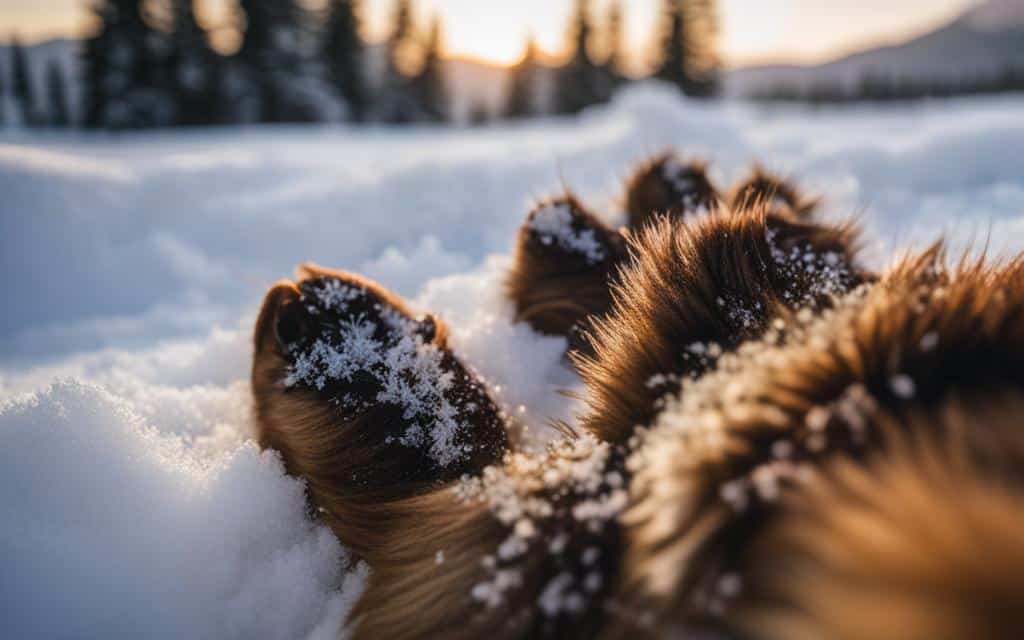
- In-between paw pads: Ice, salt and gravel can get stuck in the in-between of your dog’s paw pads, causing discomfort. Use dog boots or gently wipe them away with a warm towel to prevent discomfort.
- Trim or file down nails: Long nails can cause your dog’s toes to splay, making it harder to walk on slippery surfaces and leading to injury in their legs and paws. Keep nails trimmed or file them down regularly.
Remember, the proper winter gear can also help protect your dog’s paws and legs. Consider investing in boots for winter walks and make sure to clean and dry them properly. A good paw care routine can ensure your dog doesn’t miss out on winter fun.
Choosing the Right Winter Gear
Winter adventures with your furry friend are exciting, but it’s important to keep them safe and comfortable with the proper winter gear. Here are some tips for choosing the right gear:
- Winter Coat: Look for a coat that fits well and covers your dog’s back, chest, and belly. Insulated and waterproof materials are crucial for warmth and protection from the cold and snow. Don’t forget to check if the coat has reflective material for visibility during walks in low-light conditions.
- Boots: Protect your dog’s paws with boots that have sturdy soles and a secure fit. Insulated and waterproof materials are essential for warmth and protection from cold and sharp objects hiding in the snow. Make sure the boots have good traction to prevent slips and falls.
- Accessories: Consider adding a scarf, hat, or ear warmers to your dog’s winter outfit for extra warmth and protection. Just make sure the accessories fit comfortably and don’t restrict your dog’s movement or breathing.
Remember to choose gear that is appropriate for your dog’s size and breed and consider their activity level during winter adventures. When in doubt, consult with your veterinarian or a professional dog trainer for recommended gear.
Nutrition for a Healthy Coat
A shiny coat not only looks great but also indicates good health. While proper grooming is essential for a healthy coat, nutrition plays a significant role too. To keep your dog’s coat lustrous during winter, ensure they receive essential nutrients in their diet.
A balanced diet rich in protein, vitamins, and healthy fats is critical for a healthy coat. Protein is the building block of hair, and a lack of it can cause hair to become brittle and prone to breakage. Vitamins A, B, C, D, and E are crucial for healthy skin and hair. Omega-3 and omega-6 fatty acids provide essential oils that keep your dog’s coat moisturized and shiny.
| Key Nutrients | Benefits | Food Sources |
|---|---|---|
| Protein | Strengthens hair, promotes growth, and prevents breakage | Chicken, lamb, fish, eggs, Greek yogurt |
| Vitamin A | Prevents dry skin, promotes hair growth, and strengthens hair | Carrots, sweet potatoes, spinach, liver, eggs |
| Vitamin E | Helps repair damaged hair follicles and promotes hair growth | Sunflower seeds, almonds, peanut butter, spinach, broccoli |
| Omega-3 Fatty Acids | Reduces inflammation, prevents dry skin and dandruff, and promotes shiny coat | Fish, chia seeds, flaxseed, kale, spinach |
Supplements can also provide additional nutrients to support a healthy coat. However, always consult with your veterinarian before adding any supplements to your dog’s diet.
To promote a healthy coat during winter, ensure your dog’s diet is rich in protein, vitamins, and healthy fats. Focus on providing a well-balanced diet that is tailored to their nutritional requirements. With the right diet and grooming routine, your furry friend will have a shiny coat ready for all their winter adventures.
Dealing with Coat Shedding
Shedding is a natural process for dogs, but it can be a nuisance for pet owners, especially during the colder months. However, there are several steps you can take to manage excessive shedding and keep both your home and your pet’s coat clean.
Regular Brushing
The most straightforward method to minimize shedding is regular brushing. Daily brushing can prevent mats from forming and remove dead hair, minimizing the amount of hair your pup sheds. An effective tool such as the Furminator can help remove loose hair without damaging your dog’s coat. Brush in the direction of the hair growth to avoid pulling or tugging, causing discomfort or skin irritation.
Proper Nutrition
A healthy diet can significantly affect your dog’s coat shedding. A well-balanced diet rich in vitamins and essential fatty acids can promote healthy skin and fur, reducing excessive shedding. Ensure that your dog’s diet includes an adequate amount of protein, and avoid overfeeding to maximize the benefits.
Bathing and Grooming
Regular bathing and grooming can also help manage excessive shedding. A good warm bath, followed by a thorough rinse and conditioner, can help remove loose fur and keep your pup’s coat healthy. Ensure that you use a gentle, pet-friendly shampoo that does not strip your dog’s coat of its natural oils.
Trimming your dog’s hair, particularly the longer parts, can help reduce shedding. Shorter hair is less likely to get tangled and matted, which reduces the amount of hair your dog will shed. Additionally, keep your dog’s nails trimmed to minimize the scratches, which can lead to more shedding.
Overall, excessive shedding can be managed with a combination of daily brushing, proper nutrition, and regular grooming. Minimizing shedding will keep your home cleaner and your pup’s coat healthy and shiny throughout the winter months.
Professional Grooming for Winter
While regular coat maintenance is essential, there may come a time when professional grooming services are necessary for your furry companion. Professional grooming services can provide a deep clean and trim or cut your dog’s hair, enabling them to stay warm and dry during the colder months.
One of the benefits of professional grooming is that it can help prevent matting, which can be especially problematic during winter. Mats are clumps of tangled fur, which can be quite uncomfortable for your dog. Additionally, mats can trap moisture close to your dog’s skin, causing irritation or even infections.
Professional grooming services can also help you identify any skin irritation or health problems in your pup. They are equipped to spot any abnormalities and suggest appropriate treatments, ensuring your dog’s overall health and well-being.
When deciding whether to seek professional grooming services, it’s essential to consider your dog’s breed, coat type and individual needs. Some breeds may require regular clipping, while others may not need grooming as often. Also, consider your dog’s level of activity; if they spend a lot of time outdoors or have a thick coat, they may need more frequent grooming. It’s always a good idea to consult with a professional groomer to get a better idea of your pup’s unique grooming needs.
Benefits of Professional Grooming Services
| Benefits | Description |
|---|---|
| Prevent matting | Professional groomers are trained to prevent matting, which can be uncomfortable and harmful to your dog’s skin. |
| Deep clean | Professional grooming services provide a thorough cleaning, which can help keep your dog’s coat free from dirt and debris. |
| Identify skin problems | Professional groomers can help you identify any skin issues or abnormalities and suggest effective treatments. |
| Trim and cut hair | Professional grooming services can help you maintain the proper length and style of your dog’s coat, providing insulation during colder months. |
| Overall health and well-being | Professional grooming can contribute to the health and well-being of your dog, which is especially important during the winter season. |
Conclusion
Winter coat care is an essential aspect of pet ownership that requires attention and effort to maintain your dog’s comfort and health. By understanding your dog’s coat type, assessing their individual needs, implementing daily maintenance, and providing the right gear, you can ensure your dog remains warm, healthy, and happy during the colder months.
It is important to note that grooming routines should be tailored to your dog’s coat type and lifestyle. Regular grooming sessions will help you monitor any skin or coat issues that may arise during the winter months, preventing potential health problems.
Professional grooming services can be invaluable during the winter season, especially for dogs with long coats or specific grooming needs. Experts have the necessary tools and knowledge to provide specialized care, ensuring your dog’s coat is healthy, clean, and free of tangles, mats, and shedding.
Remember to provide your dog with a healthy diet and supplements that promote a lustrous, healthy coat. Ensure your dog has access to clean water and a warm, dry environment, especially after outdoor activities or during bathing.
By following these winter coat care tips, you can enjoy the winter season with your furry friend to the fullest. Be mindful of your dog’s needs, and take the necessary steps to keep them happy, healthy, and comfortable during snowy adventures.
FAQ
Why is winter coat care important for dogs?
Winter coat care is essential for dogs because it helps keep them warm and protected during the cold weather. A well-maintained coat can provide insulation and shield them from the elements, ensuring their comfort and preventing potential health issues.
How often should I groom my dog’s coat during winter?
The frequency of grooming your dog’s coat during winter will depend on their breed and coat type. Generally, it is recommended to brush your dog’s coat at least once or twice a week to remove any tangles or mats and distribute natural oils that keep their coat healthy.
Can I bathe my dog in winter?
Yes, you can bathe your dog in winter, but it’s important to take certain precautions. Use lukewarm water and a gentle, moisturizing shampoo specifically designed for dogs. Ensure a warm and comfortable environment for drying, and avoid prolonged exposure to the cold after bathing to prevent your dog from getting chilled.
How can I protect my dog’s paws in snowy conditions?
To protect your dog’s paws in snowy conditions, consider using dog-friendly booties or paw wax. Booties provide insulation and prevent contact with freezing surfaces, while paw wax forms a protective barrier and moisturizes their paw pads. Regularly check their paws for ice build-up and clean them as needed.
Should I trim my dog’s coat during winter?
It depends on your dog’s coat type and the activities they participate in during winter. Long-haired breeds may require some trimming to prevent excessive snow and ice buildup. However, it’s important to consult a professional groomer to determine the appropriate length and style that will still provide insulation and protection.
Can I use human moisturizers on my dog’s skin?
No, it’s not recommended to use human moisturizers on your dog’s skin. Human products may contain ingredients that are harmful or irritating to dogs. Instead, choose a moisturizer specifically formulated for dogs, preferably one recommended by a veterinarian, to ensure it is safe and suitable for their skin.
Are there any dietary supplements that can improve my dog’s coat health?
Yes, certain dietary supplements can promote a healthy coat in dogs. Omega-3 fatty acids, such as fish oil, are commonly recommended to improve coat condition and reduce shedding. However, it’s important to consult with your veterinarian before introducing any supplements to your dog’s diet to ensure they are appropriate and safe.