Collar Considerations: Selecting the Perfect Collar for Your Dog
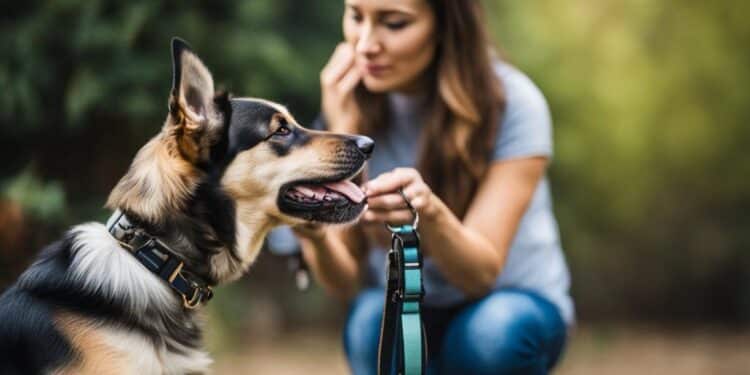
Choosing the right dog collar is an important decision that can greatly impact the well-being and safety of your furry friend. To ensure you make the best choice, it’s crucial to consider various factors such as dog collar types, proper fit, and collar safety. By understanding these key elements, you can provide your dog with the ideal collar that meets their specific needs.
First and foremost, you need to determine the type of collar that suits your dog. There are several options available, including flat collars, martingale collars, harnesses, and head collars. Each type has its own advantages and is suitable for different purposes. Flat collars are perfect for everyday use, while martingale collars provide extra control and prevent dogs from slipping out. Harnesses are ideal for small breeds or dogs with respiratory issues, as they distribute pressure evenly. Head collars offer maximum control and are often used for training purposes.
Once you’ve chosen the type of collar, ensuring a proper fit is crucial. The collar should be snug enough to prevent slipping over the dog’s head, but not too tight to cause discomfort or restrict breathing. A general rule of thumb is being able to fit two fingers between the collar and your dog’s neck. This guarantees both comfort and safety during walks and other activities.
Remember, collar safety should always be a top priority. Regularly check the collar for any signs of wear and tear, and replace it if necessary. Additionally, it’s important to monitor your dog while wearing the collar to prevent any accidents or choking hazards. Every dog is unique, so taking into account their size, breed, and specific requirements is essential when selecting a collar.
Choosing the right dog collar may seem like a small decision, but it can make a big difference in your dog’s overall comfort, control, and safety. By considering the different collar types, ensuring a proper fit, and prioritizing collar safety, you can select the perfect collar for your beloved companion. So, take the time to evaluate your options and make an informed decision that enhances your dog’s well-being.
Understanding the Different Dog Collar Types
When it comes to choosing the right dog collar, it’s important to understand the different types available and their unique advantages. Each type of collar serves a specific purpose, so selecting the right one for your furry friend is crucial. Let’s take a closer look at some popular dog collar types:
1. Flat Collars: Flat collars are the most common and basic type of collar. They are typically made of nylon or leather and are suitable for everyday use. Flat collars are easy to put on and take off, but they may not provide enough control for dogs that tend to pull on the leash.
2. Martingale Collars: Martingale collars are designed to provide more control over dogs that are prone to slipping out of their collar. They feature a loop that tightens when the dog pulls, preventing escape. Martingale collars are especially suitable for dogs with narrower heads, such as Greyhounds.
3. Harnesses: Harnesses are an excellent alternative to collars, especially for small breeds or dogs with respiratory issues. Unlike collars that put pressure on the neck, harnesses distribute the pressure evenly across the chest and back. This helps reduce strain and provides better control and comfort.
4. Head Collars: Head collars, such as the Gentle Leader or Halti, offer the highest level of control. They are typically used for training purposes or with dogs that are strong pullers. Head collars work by gently guiding the dog’s head, discouraging pulling behavior.
Comparison Table: Dog Collar Types
| Collar Type | Main Characteristics | Best Suited For |
|---|---|---|
| Flat Collars | Simple and easy to use | Dogs that don’t pull excessively on the leash |
| Martingale Collars | Prevent dogs from slipping out of collar | Dogs with narrow heads (e.g., Greyhounds) |
| Harnesses | Distribute pressure evenly across chest and back | Small breeds or dogs with respiratory issues |
| Head Collars | Provide the most control | Dogs that are strong pullers or require training |
By understanding the different dog collar types, you can make an informed decision based on your dog’s unique needs and behavior. Remember to prioritize their comfort, safety, and training goals when selecting the right collar. If unsure, consult with a professional trainer or veterinarian to ensure the best fit for your furry friend.
Ensuring a Proper Fit and Prioritizing Collar Safety
Once you have chosen the type of collar that is best for your dog, it is important to ensure a proper fit. Collar safety and comfort are crucial for your furry friend’s well-being. In order to achieve the right fit, follow these guidelines:
- Measure your dog’s neck: Use a flexible tape measure to determine the circumference of your dog’s neck. Make sure to measure at the base, where the collar will sit.
- Choose the right size: When selecting a collar, refer to the manufacturer’s sizing guide. Collars typically come in different sizes, so it’s important to choose the one that matches your dog’s neck measurement.
- Adjust the collar: Once you have the collar, adjust it to fit your dog properly. The collar should be snug enough that it cannot slip over the dog’s head, but not so tight that it causes discomfort or restricts breathing. You should be able to fit two fingers between the collar and your dog’s neck.
Remember, a collar that is too loose may lead to your dog slipping out of it, while a collar that is too tight can cause discomfort or even injury. It’s important to regularly check the fit of your dog’s collar and make any necessary adjustments as they grow or change. Additionally, always ensure that the collar is securely fastened and that there are no loose threads or sharp edges that could cause harm to your dog.
“Proper fit is essential for your dog’s safety and comfort. A collar that is too tight can restrict your dog’s breathing, while a collar that is too loose may result in your dog slipping out of it. Take the time to measure your dog’s neck accurately and adjust the collar accordingly.”
Collar safety extends beyond just the fit. It’s also important to consider the materials used in the construction of the collar. Opt for high-quality, durable materials that are unlikely to break or fray easily. Avoid collars with excessive adornments or tags that could get caught on objects or pose a choking hazard. Regularly inspect the collar for any signs of wear and tear, and replace it if necessary. By prioritizing collar safety, you can ensure that your dog remains secure and comfortable during walks and other activities.
| Benefits of Ensuring a Proper Fit | Importance of Collar Safety |
|---|---|
|
|
By prioritizing a proper fit and collar safety, you can ensure that your dog’s collar not only looks stylish but also serves its intended purpose effectively. Remember, every dog is unique, so take into account their size, breed, and specific requirements when selecting a collar. A well-fitted and safe collar will provide you with peace of mind knowing that your furry companion is comfortable, secure, and protected.

Conclusion
Choosing the right dog collar is crucial for the comfort, control, and safety of your beloved pet. By understanding the different dog collar types and prioritizing proper fit and collar safety, you can ensure that your dog is well-equipped for walks and other activities.
When selecting a dog collar, consider the specific needs and characteristics of your dog. Take into account their size, breed, and any unique requirements they may have. This will help you choose the collar type that best suits their individual needs.
Remember, there are various collar options available, each with its own advantages. Flat collars are great for everyday use, while martingale collars provide extra control. Harnesses are ideal for small breeds or dogs with respiratory issues, and head collars offer maximum control during training.
Once you have chosen the right collar, ensure a proper fit. The collar should be snug enough to prevent slipping, but not so tight that it causes discomfort or restricts breathing. Aim to fit two fingers between the collar and your dog’s neck to ensure a comfortable and safe fit.
By taking these factors into consideration and making an informed decision, you can select the perfect collar for your dog. With the right collar, you can enhance their comfort, control, and overall well-being, allowing for enjoyable walks and activities together.
FAQ
What are the different types of dog collars?
The different types of dog collars include flat collars, martingale collars, harnesses, and head collars.
What is a flat collar and when is it best used?
A flat collar is the most common type of dog collar and is suitable for everyday use.
What is a martingale collar and when is it best used?
A martingale collar is designed to provide more control and prevent dogs from slipping out of their collar. It is a good choice for dogs with narrow heads, such as Greyhounds.
What is a harness and when is it best used?
A harness is a popular option, especially for small breeds or dogs with respiratory issues. It distributes the pressure evenly across the chest and back, reducing strain on the neck.
What is a head collar and when is it best used?
A head collar, such as the Gentle Leader or Halti, provides the most control and is often used for training purposes.
How do I ensure a proper fit for my dog’s collar?
The collar should be snug enough that it cannot slip over the dog’s head, but not so tight that it causes discomfort or restricts breathing. You should be able to fit two fingers between the collar and your dog’s neck.
Why is collar safety important?
Collar safety is important to ensure the well-being and comfort of your dog. A properly fitted and appropriate collar can enhance your dog’s comfort, control, and safety during walks and other activities.
What factors should I consider when selecting a collar for my dog?
When selecting a collar for your dog, you should consider their size, breed, and specific requirements. Every dog is unique, so taking these factors into account will help you choose the right collar that meets their needs.