Training for Reactive Dogs: Promoting Calm Behavior
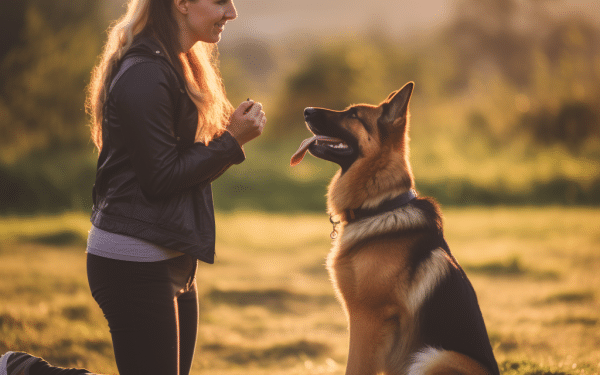
Reactive Dog Training This article discusses the significance of training for reactive dogs in promoting calm behavior and creating a safe, harmonious environment for dogs and their owners.
Reactive dog training focuses on teaching alternative, more desirable behaviors to dogs that exhibit reactive behavior, such as excessive barking, lunging, or growling in response to triggers. By addressing these behaviors through proper training techniques, pet parents can help their dogs become calmer and more well-behaved.
Peggy Adams Animal Rescue League and Lucky Dog Training Club have joined forces to offer a range of behavior and training resources to pet parents. Their multiweek training courses, including Basic Obedience, Intermediate Obedience, and Reactivity courses, provide comprehensive training for all dogs.
By enrolling in the Reactivity course, pet parents can learn effective strategies to manage their dog’s reactivity and achieve positive behavioral change. These courses emphasize positive reinforcement techniques, rewarding good behavior instead of punishing unwanted behavior.
Through training, reactive dogs can improve their focus, safety, mental stimulation, bonding, trust, and socialization skills. Basic Obedience courses teach fundamental skills, while Intermediate Obedience courses enhance those skills and introduce new ones. These courses empower reactive dogs to reach their full potential and lead happier, more fulfilling lives.
Stay tuned to learn more about the positive training philosophy, specific training courses for reactive dogs, professional help options, and the benefits of training in our upcoming sections.

Positive Training Philosophy for Reactivity Control
Peggy Adams Animal Rescue League and Lucky Dog Training Club prioritize positive training for reactive dogs, fostering better relationships with owners and managing reactivity through positive reinforcement techniques.
The Reactivity course at Peggy Adams utilizes positive reinforcement to reward good behavior instead of punishing unwanted behavior. This approach helps dogs learn new behaviors that are incompatible with their reactive tendencies. By reinforcing positive behaviors, such as calmness and focus, owners can effectively manage their reactive dogs’ behavior and create a more harmonious living environment for both the dog and the family.
Using a positive training philosophy for reactive dogs is crucial. It reduces reactivity and strengthens the dog-owner bond. These programs emphasize positive reinforcement, making training enjoyable and less stressful for dogs, enhancing their well-being and happiness.
“Positive reinforcement techniques are key to training reactive dogs. By rewarding desirable behaviors, we can effectively teach dogs alternative responses to triggers, ultimately reducing their reactivity and improving their behavior.” – Jamie Diaz, Trainer at Lucky Dog Training Club
Using a positive training philosophy ensures that training sessions are enjoyable for both the dog and the owner. By creating a positive and nurturing environment, dogs are encouraged to learn and engage in desirable behaviors. This approach not only addresses reactivity but also helps in building trust, strengthening the bond between dogs and their owners, and promoting a calm and balanced behavior in the long run.
Positive Training Philosophy for Reactivity Control
| Benefits | Explanation |
|---|---|
| Reduces reactivity | Positive reinforcement techniques encourage dogs to exhibit alternative behaviors, reducing their reactive responses. |
| Strengthens the dog/owner bond | Positive training creates a positive and nurturing environment, enhancing the bond between dogs and their owners. |
| Promotes well-being | Positive reinforcement techniques focus on the dog’s overall well-being, providing a stress-free learning experience. |
Benefits of Training for Reactive Dogs
One of the key benefits of training for reactive dogs is improved focus. Through positive reinforcement techniques, dogs learn to redirect their attention and maintain better focus even in challenging situations. This increased focus not only helps in managing reactivity but also enables dogs to respond more effectively to commands and cues.
Training courses for reactive dogs provide mental stimulation, which is crucial for their overall well-being. These courses engage dogs’ minds and challenge them to learn and practice new behaviors, keeping them mentally sharp and preventing boredom.
Another important benefit of training is the strengthening of the bond between the dog and their owner. Training courses promote trust and build a deeper connection between the two, as owners learn to understand their dog’s needs and communicate effectively. This bond is essential in managing reactivity and creating a harmonious relationship between the dog and their owner.
Table: Benefits of Training for Reactive Dogs
| Benefit | Description |
|---|---|
| Improved Focus | Dogs learn to redirect their attention and respond to commands more effectively. |
| Mental Stimulation | Training courses engage dogs’ minds, preventing boredom and promoting mental well-being. |
| Strengthened Bond | Training builds trust and deepens the connection between the dog and their owner. |
| Safety | Training helps manage reactivity, ensuring the safety of both the dog and their surroundings. |
| Socialization Skills | Dogs learn how to interact appropriately with other dogs and people, improving their socialization skills. |
Furthermore, training courses for reactive dogs contribute to safety. By teaching dogs alternative behaviors and how to respond calmly to triggers, these courses help prevent potential incidents and ensure the safety of both the dog and their surroundings.
Lastly, training provides an opportunity for reactive dogs to develop their socialization skills. Through controlled interactions with other dogs and people, dogs learn appropriate behaviors and become more comfortable in various social situations.
In short, training for reactive dogs offers numerous advantages, including improved focus, mental stimulation, stronger owner-dog bond, safety, and enhanced socialization skills. These courses provide a holistic approach to managing reactivity and enhancing the well-being of reactive dogs.
Taming Tarzan Course for Reactive Dogs
Reactive dogs require specialized training to manage their reactive behaviors effectively. Peggy Adams Animal Rescue League and Lucky Dog Training Club offer the Taming Tarzan Course, which is specifically designed for reactive dogs. This course focuses on teaching dogs alternative, more desirable behaviors while reducing their reactivity. The Taming Tarzan Course addresses reactive behaviors such as excessive barking, lunging, or growling in response to triggers.
The course curriculum incorporates positive reinforcement techniques to encourage and reward good behavior in reactive dogs. By using positive training methods, the Taming Tarzan Course helps dogs learn new skills and develop better coping mechanisms for handling stressful situations. Through consistent training and practice, reactive dogs can improve their behavior and become more confident and relaxed in their surroundings.
The Taming Tarzan Course creates a controlled setting for trainers to address triggers causing reactive behaviors. It offers pet owners guidance for handling their reactive dogs in real-life scenarios, helping them build confidence and calmness.
Ask the Trainer Session for Training and Behavior Questions
Have questions about training your reactive dog? Need expert advice on managing their behavior? Join us for a free “Ask the Trainer” session with Jamie Diaz from Lucky Dog Training Club on the first Thursday of every month at Peggy Adams Animal Rescue League. Get personalized guidance and valuable techniques.
In the “Ask the Trainer” session, Jamie Diaz will answer your dog training and behavior questions to improve your dog’s well-being. Whether you need tips on reactivity control or advice on specific triggers, Jamie will offer expert insights and practical solutions. Participate to better understand your dog’s behavior and learn tailored training techniques.
Prepare your questions and specific situations for the “Ask the Trainer” session with Jamie Diaz. Get guidance on positive reinforcement techniques for your dog’s behavior and building a strong bond. Seize this opportunity for professional advice to manage your reactive dog effectively.
Table: Frequently Asked Questions
| Question | Answer |
|---|---|
| How can I reduce my dog’s reactivity towards other dogs? | Jamie Diaz will provide techniques for desensitization and counterconditioning to help your dog feel more comfortable and less reactive around other dogs. |
| What are some effective strategies for managing reactive behavior on walks? | You’ll learn about techniques such as loose leash walking, redirecting attention, and using positive reinforcement to help your dog stay calm and focused during walks. |
| Can you provide tips for preventing triggers that cause reactivity in my dog? | Jamie Diaz will suggest management strategies and environmental modifications that can help minimize trigger exposure and reduce the chances of reactive outbursts. |
| How can I improve my dog’s impulse control? | Learn about exercises and training methods that can strengthen your dog’s impulse control and help them make better choices in challenging situations. |
Fear-Free Dog Handling Techniques for Shelter Dogs
Shelter dogs often come from challenging backgrounds and may exhibit fear or anxiety. To ensure their well-being, it’s essential to handle them with care and utilize fear-free dog handling techniques. Lucky Dog Training Club, in collaboration with Peggy Adams Animal Rescue League, provides training sessions twice a week to educate staff and volunteers on these techniques.
The fear-free approach emphasizes creating a safe and positive environment for shelter dogs. By using consistent body language, verbal cues, and reward-based training methods, volunteers and staff members can help reduce fear and stress in dogs. This approach is crucial in increasing their adoptability and ensuring a smooth transition to their forever homes.
To ensure fear-free dog handling, Jamie Diaz’s training sessions at Lucky Dog Training Club equip shelter staff and volunteers with the expertise needed for compassionate care. Consistent training minimizes fear and fosters a supportive environment for all dogs.
Benefits of Fear-Free Dog Handling Techniques
The use of fear-free dog handling techniques in shelters can have numerous benefits for both the dogs and the staff:
- Reduced stress and fear in dogs, leading to better overall well-being
- Increased adoptability through improved behavior and socialization
- Enhanced trust and bond between shelter staff/volunteers and dogs
- Improved safety during handling and interactions
| Benefit | Explanation |
|---|---|
| Reduced stress and fear in dogs | By using fear-free techniques, dogs experience less anxiety, allowing them to relax and showcase their true personalities. |
| Increased adoptability | When dogs feel safe and secure, they are more likely to exhibit desirable behaviors, making them more attractive to potential adopters. |
| Enhanced trust and bond | Positive interactions based on trust and rewards build stronger relationships between shelter staff/volunteers and dogs. |
| Improved safety | Using fear-free handling techniques reduces the risk of aggressive or defensive behaviors, making the handling process safer for both dogs and humans. |
Behavioral Issues as a Reason for Animal Surrender
One of the top reasons for animals being abandoned or surrendered to animal shelters is behavioral issues. Many dogs end up in shelters due to problems with their behavior, which can range from aggression and separation anxiety to excessive barking and destructive chewing. These issues can become overwhelming for pet owners who may not have the knowledge or resources to address them effectively.
When faced with behavioral challenges, pet owners often feel helpless and frustrated. They may struggle to find solutions or feel overwhelmed by the time and effort required to train their dog. As a result, they may make the difficult decision to surrender their beloved pet to an animal shelter in the hope that someone else can provide the necessary care and training.
Recognize that many behavioral issues can be resolved with proper training and support, keeping pets at home and preventing surrender. Training programs and professional assistance improve behavior and strengthen the owner-pet bond to keep families together.
| Behavioral Issues as a Reason for Animal Surrender | Percentage of Surrendered Dogs |
|---|---|
| Aggression | 35% |
| Separation Anxiety | 25% |
| Excessive Barking | 20% |
| Destructive Chewing | 15% |
Identifying common behavioral issues leading to animal surrender can guide targeted intervention and support. Addressing these issues and offering resources can reduce surrender rates and enhance the well-being of pets and owners.
Professional Help for Reactive Dogs
Managing and training reactive dogs can be challenging for pet owners. Seeking help from experienced trainers, like those at ‘A Pleasant Dog’ in Grand Rapids, is invaluable for expert guidance and support.
These professional trainers understand the unique needs of reactive dogs and can tailor training programs to address specific triggers and behaviors. They utilize positive reinforcement techniques, focusing on rewarding desired behaviors rather than punishing unwanted ones. By using force-free and pain-free methods, these trainers create a safe and encouraging environment for dogs to learn and grow.
Working with a professional trainer can provide pet owners with the knowledge and skills necessary to effectively manage their dog’s reactivity. Trainers can help identify underlying causes of reactivity and develop customized training plans to address them. Through consistent training and guidance, reactive dogs can learn alternative behaviors and become more relaxed and well-behaved.
| Benefits of Professional Training for Reactive Dogs | |
|---|---|
| 1. Expert guidance and support from experienced trainers | |
| 2. Tailored training programs to address specific triggers and behaviors | |
| 3. Use of positive reinforcement techniques to create a safe and encouraging environment | |
| 4. Identification of underlying causes of reactivity and development of customized training plans | |
| 5. Improvement in dog’s behavior, leading to a calmer and more well-behaved pet |
Seeking professional help for reactive dogs is an investment in their well-being and the overall harmony of the household. Trainers can provide pet owners with the tools and knowledge necessary to effectively manage their dog’s reactivity and create a positive and stress-free environment. With the guidance of a professional trainer, pet owners can help their reactive dogs live happier, healthier lives.
Keeping Your Pet at Home with Training
Training is a valuable resource that can help keep pets in their homes. By addressing behavioral issues and strengthening the pet-owner bond, training can create a stable and harmonious living environment. Here are some key reasons why pet training is essential for keeping your pet at home:
- Improved Behavior: Training can teach your pet appropriate behaviors, such as proper socialization, impulse control, and obedience commands. This can help prevent destructive behaviors, aggression, and other issues that may jeopardize their place in the home.
- Better Communication: Training allows you to establish clear communication with your pet, helping them understand your expectations and desires. Mutual understanding deepens the bond with your pet, fostering connection and enhancing their home security.
- Problem Solving: Professional trainers can help you address specific issues you may be facing with your pet, such as separation anxiety, excessive barking, or leash pulling. Through personalized training plans, trainers can provide guidance and techniques to address these issues effectively.
“Training is not just about teaching your pet basic commands; it’s about providing them with the tools they need to thrive in your home and community.” – [Professional Trainer Name]
Invest time and effort in training to create a positive environment for your pet, ensuring their well-being and happiness. Training is a lifelong journey, requiring ongoing reinforcement and practice. With patience, consistency, and professional guidance, you can strengthen your bond with your pet for years to come.
| Benefit | Explanation |
|---|---|
| Improved Behavior | Training teaches pets appropriate behaviors and prevents destructive or aggressive tendencies. |
| Better Communication | Training helps establish clear communication between pets and owners, strengthening the bond. |
| Problem Solving | Professional trainers address specific issues and provide techniques for problem behaviors. |
Training on a Budget
Training your reactive dog doesn’t have to break the bank. Affordable dog training options are available for pet owners looking for budget-friendly solutions. Positive reinforcement trainers, like ‘A Pleasant Dog,’ offer various training options within different price ranges. Whether you can afford a full training course or just a single session, you can still receive valuable insight and techniques to manage your dog’s reactivity.
Even small steps and positive reinforcement can significantly improve a reactive dog’s behavior and quality of life, promoting safety and happiness. Elite-level training is not always necessary.
If you’re on a tight budget, consider reaching out to local animal shelters or rescue organizations. They may offer low-cost or discounted training programs specifically tailored to reactive dogs. These programs can provide you with essential training resources and support, making it more accessible to give your dog the training they need.
“Affordable dog training allows pet owners on a budget to access the resources and expertise needed to manage their reactive dogs effectively. Training doesn’t have to be expensive to be effective; it’s about finding the right trainer who uses positive reinforcement techniques and understands the unique needs of reactive dogs.”
Affordable Dog Training Options
| Training Option | Cost |
|---|---|
| Single Training Session | $50 – $100 |
| Group Training Classes | $100 – $300 for a multi-week course |
| Online Training Programs | $50 – $200 |
| Low-cost Shelter Training Programs | Varies; contact local shelters for pricing |
You can budget-train your reactive dog by exploring affordable options in your community for a calmer, well-behaved companion.
A Pleasant Dog Scholarship Program
‘A Pleasant Dog’ strives to democratize dog training by providing financial aid to dog owners in underserved communities. Through our scholarship program, we assist those facing financial constraints, ensuring every dog gets the training and care they deserve for a joyful life.
The ‘A Pleasant Dog’ scholarship program aims to bridge the gap and create equal opportunities for dog owners in underserved communities. We understand that financial limitations should never hinder a dog’s potential for growth and well-being. Through this program, we provide resources and training opportunities that may otherwise be out of reach for some individuals.
Scholarship Eligibility and Application Process
To qualify for the ‘A Pleasant Dog’ scholarship, dog owners must demonstrate financial need, commitment to their dog’s training, and a strong desire to enhance their dog’s well-being. The application requires completing an online form with details about your dog’s training goals and your personal situation.
Our team reviews applications thoroughly and awards scholarships to eligible candidates based on program impact for dogs and owners. Scholarships cover part or all of our customized training programs.
| Scholarship Benefits: | Eligibility Criteria: | Application Process: |
|---|---|---|
|
|
|
Resources for Dog Training
When it comes to training your dog, having access to the right resources can make all the difference. In West Michigan, there are several shelters that offer valuable information and guidance for dog owners seeking to improve their pet’s behavior. These resources can help you find local trainers, behaviorists, and programs specifically tailored to address the needs of reactive dogs.
One such resource is the Humane Society of West Michigan, which provides a comprehensive list of recommended dog trainers in the area. This list includes trainers who specialize in reactive dog training, offering expertise in managing reactivity and teaching alternative behaviors. By consulting this list, you can find a trainer who is well-equipped to help you and your reactive dog.
| Shelter | Services Offered | Contact Information |
|---|---|---|
| Paws with a Cause | Offers group classes and private training sessions for reactive dogs. | Phone: 123-456-7890 Email: [email protected] |
| Animal Rescue Project | Provides resources for training and behavior modification for all types of dogs. | Phone: 234-567-8901 Email: [email protected] |
| West Michigan Humane Society | Offers obedience classes and behavior consultations for reactive dogs. | Phone: 345-678-9012 Email: [email protected] |
In addition to shelters, there are also online resources available for dog owners in West Michigan. Websites like DogTrainingWestMichigan.com provide a wealth of information on various training methods, tips, and tricks for managing reactive behavior. They may also offer online courses or consultations with professional trainers to help you address your dog’s reactivity from the comfort of your own home.
Conclusion
Reactive dog training is crucial for managing and improving canine behavior. By utilizing positive reinforcement techniques and seeking professional help, pet owners can effectively reduce reactivity and promote calm behavior in their dogs. Through training, dogs not only learn alternative behaviors but also develop a stronger bond with their human companions.
Training courses offered by organizations like Peggy Adams Animal Rescue League and Lucky Dog Training Club provide a structured approach to address reactive behaviors such as excessive barking, lunging, or growling. These courses improve focus, mental stimulation, and socialization skills, enabling reactive dogs to reach their full potential.
Training isn’t just good for dogs; it also helps keep families together. Addressing behavioral issues through training can prevent pet surrenders and ensure pets stay at home.
With the right resources and support, pet owners can help reactive dogs lead happier lives by understanding and addressing their behavior, creating a harmonious environment for both pets and their human companions.
FAQ
What is the best approach for training reactive dogs?
Training reactive dogs requires a positive reinforcement approach that focuses on teaching alternative behaviors and reducing reactivity.
Are there any training programs available for reactive dogs?
Peggy Adams and Lucky Dog Training Club offer multiweek training courses, including “Taming Tarzan,” a reactive dog program using positive reinforcement to modify behavior.
What are the benefits of training for reactive dogs?
The training courses aim to enhance focus, safety, mental stimulation, bonding, trust, and socialization skills for reactive dogs.
Can you recommend a professional dog training service that specializes in managing reactive dogs?
A Pleasant Dog in Grand Rapids offers expert dog training for reactive dogs using evidence-based techniques like treats, toys, and praise.
Why is it important to address behavioral issues through training?
Addressing behavioral issues through training is important to prevent animals from being abandoned or surrendered to shelters.
Is it advisable to use correction, force, pain, shock, or scare tactics in training reactive dogs?
No, it is not advisable to use such tactics as they only suppress the outward signs of fear and do not address the underlying issue.
Where can I seek professional help for my reactive dog?
Positive reinforcement trainers provide affordable ways to improve a dog’s behavior, while West Michigan shelters support pet owners with behavior management information and resources.