Effective Dog Training Tips for Responsible Pet Owners
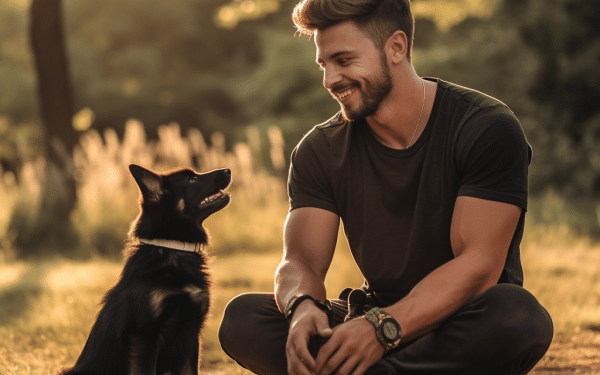
Dog training tips for responsible pet owners is an essential part of being a responsible pet owner. Whether you have a new puppy or an older dog, these training tips will help you establish a strong foundation for good behavior.
When it comes to dog training, it’s important to start with a basic obedience program. Teaching commands like sit, stay, and come will help your dog understand what is expected of them and improve their overall obedience. Remember to be patient and consistent in your training sessions.
While obedience training is essential, it’s also important to make the training process fun for both you and your furry friend. Incorporating games into your training routine can make the experience more enjoyable and engaging for your dog. It’s a great way to bond with your pet and keep them motivated.
Positive reinforcement is widely regarded as the best training method for dogs. By rewarding your dog’s good behavior with treats, praise, or play, you can encourage them to repeat that behavior. This positive approach builds trust and strengthens the bond between you and your dog.
House training is another crucial aspect of dog training. Teaching your dog where and when to eliminate will help prevent accidents and keep your home clean. Crate training can be a useful tool in this process, as it provides your dog with a safe and comfortable space while they learn to control their bladder and bowel movements.
Leash training is a must for every dog owner. It not only ensures your dog’s safety but also allows you to have better control over their behavior during walks. Teaching your dog to walk calmly on a leash will make your walks more enjoyable and stress-free.
Socialization plays a vital role in preventing behavior problems and fears in dogs. Exposing your dog to different people, animals, and environments from an early age will help them become well-adjusted and confident. It’s important to introduce new experiences gradually and positively reinforce good behavior during socialization.
Clicker training is a simple yet effective method for teaching your dog new behaviors. By using a clicker to mark desired actions, you can communicate clearly with your dog and facilitate their learning process. Clicker training is especially useful for shaping precise behaviors and capturing moments of success.
Teaching your dog basic commands like come and stay is crucial for establishing structure and ensuring their safety. These commands provide a foundation for more advanced training and help you maintain control in various situations. Practice these commands regularly and reward your dog for their compliance.
Once your dog has mastered the basics, you can move on to teaching them more advanced tricks. From rolling over to going to bed on command, these tricks not only impress others but also provide mental stimulation for your dog. Remember to break down each trick into smaller steps and reward your dog’s progress along the way.
As you continue training, it’s important to proof behaviors and address any behavior problems that may arise. Consistency, patience, and positive reinforcement are key to managing and modifying unwanted behaviors. Seek professional guidance if needed to ensure the success of your training efforts.
Training is a lifelong journey for both you and your dog. Ongoing training throughout their life will keep their skills sharp and reinforce good behavior. It’s an opportunity to continue bonding with your dog and deepen your relationship.
Finally, there’s a wide range of different tricks you can teach your dog, ranging from sitting and staying to fetching and shaking hands. These tricks provide mental stimulation and entertainment for your dog while showcasing their intelligence and abilities.
In conclusion, training your dog is an essential responsibility as a pet owner. By following these easy and effective training tips, you can establish a strong foundation for good behavior and create a harmonious relationship with your furry friend. Happy training!
Starting with Basic Obedience Training
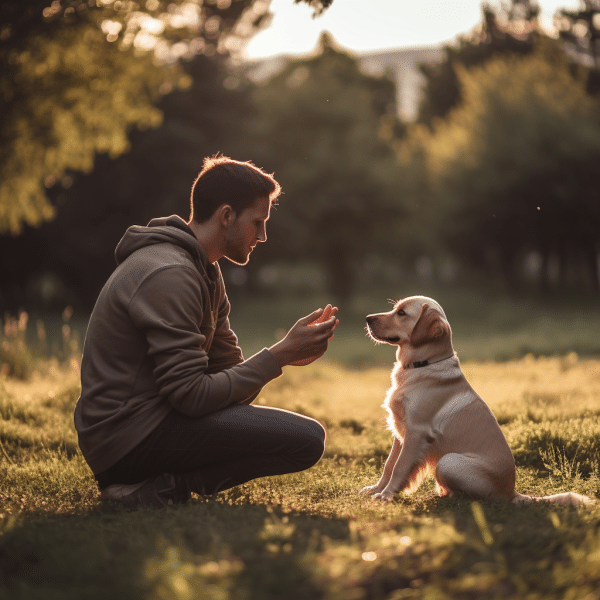
A basic obedience training program is the first step in teaching your dog essential commands and ensuring they understand your expectations. This program focuses on teaching commands like sit, stay, and come, which form the foundation for further training.
During the training sessions, it’s important to maintain a positive and patient attitude. Start by using treats or rewards as incentives to encourage your dog to follow the commands. As they begin to understand and respond correctly, gradually reduce the frequency of treats and transition to verbal praise as positive reinforcement.
Consistency is key in obedience training. Set aside short, regular training sessions to reinforce the commands. Keep the training environment free from distractions initially, and as your dog becomes more proficient, gradually introduce distractions to help them generalize the commands to different situations.
Teaching the Commands: Sit, Stay, and Come
The first command to teach your dog is ‘sit.’ Start by holding a treat close to their nose, then raise your hand towards the back of their head. As they follow the treat with their eyes and nose, their bottom will naturally lower into a sitting position. Once they are seated, say “sit” and give them the treat. Repeat this command and reward sequence several times until they consistently sit on command.
The next command is ‘stay.’ Begin by having your dog sit, then extend your hand in front of them, palm facing towards them like a stop sign. With a firm voice, say “stay” and take a small step back. If your dog stays in place, return to them and reward them with praise and a treat. Gradually increase the distance and duration of the ‘stay’ command as their understanding and compliance improve.
The final basic command is ‘come.’ Start by kneeling down and opening your arms while saying “come.” Encourage your dog to approach you by using an enthusiastic tone. When they come to you, reward them with praise, petting, and a treat. Practice this command in a secure and enclosed area to prevent your dog from running away during the training process.
| Command | Description |
|---|---|
| Sit | Teach your dog to lower their rear end to the ground. |
| Stay | Train your dog to remain in a specific position until released. |
| Come | Teach your dog to approach you on command. |
Remember, every dog learns at their own pace. Be patient, consistent, and always end training sessions on a positive note. With time and practice, your dog will master these basic commands and be ready to move on to more advanced training.
Making Training Fun with Games
Training doesn’t have to be dull and repetitive; incorporating games into your training sessions can make it enjoyable for both you and your furry friend. Games provide mental stimulation and help reinforce obedience commands in a fun and interactive way. Whether you have a puppy or an adult dog, these games can be a great addition to your training routine.
Hide and Seek
A popular game that dogs love, hide and seek can be a fun way to reinforce the “come” command. Start by having your dog sit and stay, then go hide in another room or behind furniture. Once you’re hidden, call your dog’s name and use the “come” command. Reward your dog with treats and praise when they find you. This game not only strengthens the “come” command but also encourages problem-solving skills.
Tug of War
A classic game that taps into a dog’s natural instinct to pull, tug of war can be a great way to practice the “drop it” or “leave it” commands. Start by teaching your dog to take a toy in their mouth and then use the command to release it. Engage in a gentle game of tug of war, making sure to let your dog win occasionally to keep them motivated. This game helps build impulse control and reinforces obedience.
Obstacle Course
Set up a mini obstacle course in your backyard or living room using everyday objects like hula hoops, cones, and tunnels. Guide your dog through the course using commands like “sit,” “stay,” and “come.” This game helps improve agility, coordination, and listening skills. Reward your dog with treats and praise for successfully completing each obstacle. It’s important to start with simple obstacles and gradually increase the difficulty as your dog becomes more confident.
Remember, training should always be positive and rewarding for your dog. Incorporating games into your training sessions not only makes it more enjoyable but also strengthens the bond between you and your furry friend. So, grab some treats, get creative, and have fun while teaching your dog valuable obedience skills!
| Game | Objective | Benefits |
|---|---|---|
| Hide and Seek | Reinforce “come” command | Problem-solving skills, recall |
| Tug of War | Practice “drop it” or “leave it” command | Impulse control, obedience |
| Obstacle Course | Improve agility and listening skills | Coordination, obedience |
The Power of Positive Reinforcement
Positive reinforcement, which involves rewarding desired behaviors, is widely regarded as the most effective and humane training method for dogs. By providing rewards such as treats, praise, or toys when your dog exhibits the desired behavior, you reinforce that behavior and increase the likelihood of it being repeated.
This method focuses on encouraging your dog’s good behavior rather than punishing undesirable behavior. Positive reinforcement creates a positive association in your dog’s mind and helps build a strong bond between you and your furry friend.
When using positive reinforcement, it’s important to be consistent and timely with rewards. Immediately reward your dog when they perform the desired behavior so they can associate the reward with their action. This will help them understand what you expect from them and motivate them to continue behaving in the desired way.
| Benefits of Positive Reinforcement |
|---|
| 1. Builds trust and strengthens the bond between you and your dog. |
| 2. Increases your dog’s motivation to learn and cooperate. |
| 3. Reduces stress and anxiety in your dog, creating a positive training environment. |
| 4. Helps prevent unwanted behaviors by focusing on teaching and reinforcing desired behaviors. |
“Positive reinforcement is a powerful tool in dog training. It’s about rewarding the behavior you want to see more of, rather than punishing the behavior you want to eliminate.” – Dog Trainer
Using Positive Reinforcement in Training
Incorporating positive reinforcement in your training sessions is relatively simple. Start by choosing a reward that your dog finds motivating, whether it’s a tasty treat, verbal praise, or a favorite toy. Then, follow these steps:
- Clearly define the desired behavior you want to teach your dog.
- Break down the behavior into small, manageable steps.
- Wait for your dog to perform the desired action naturally or use a command to prompt them.
- Immediately reward your dog when they exhibit the behavior.
- Gradually reduce the frequency of treats or rewards as your dog becomes more proficient in the behavior.
Remember, consistency and patience are key when using positive reinforcement. It may take time for your dog to fully understand what you’re asking of them, so be patient and celebrate their progress along the way.
By incorporating positive reinforcement into your dog training routine, you will create a positive and enjoyable learning experience for both you and your furry companion. Not only will you see improvements in your dog’s behavior, but you will also strengthen the bond between you, leading to a happier and well-trained dog.
| Summary |
|---|
| Positive reinforcement is widely regarded as the most effective and humane training method for dogs. It involves rewarding desired behaviors, creating a positive association, and strengthening the bond between you and your dog. This method builds trust, increases motivation to learn, reduces stress, and helps prevent unwanted behaviors. Consistency and timing are crucial in using positive reinforcement, and breaking down behaviors into manageable steps will aid in the training process. By incorporating positive reinforcement, you can create a positive learning experience and enjoy a well-behaved and happy dog. |
House Training and Crate Training
House training your dog is essential for a harmonious household, and crate training can be an effective way to support this process. When it comes to house training, consistency and positive reinforcement are key. Establish a routine for your dog, taking them outside at regular intervals, such as after meals, naps, and playtime. Use verbal cues, like “go potty,” to let them know what is expected.
In addition to regular outdoor trips, crate training can be a valuable tool in house training your dog. A crate mimics a den-like environment, providing a safe and secure space for your dog. Introduce your dog to the crate gradually, making it a positive experience by using treats or toys. Start with short periods of time in the crate, gradually increasing the duration as your dog becomes more comfortable.
| Key Tips for House Training and Crate Training: |
|---|
| Establish a consistent routine for outdoor trips. |
| Use verbal cues to communicate expectations. |
| Introduce the crate gradually, using positive reinforcement. |
| Start with short periods of time in the crate, increasing duration gradually. |
It’s important to remember that accidents may happen during the house training process. If your dog has an accident indoors, avoid punishment and instead calmly clean up the mess and continue with your training routine. Consistency, patience, and positive reinforcement will help your dog understand what is expected of them and achieve successful house training.
Common Mistakes to Avoid:
- Avoid punishing your dog for accidents.
- Do not use the crate as a form of punishment.
- Avoid leaving your dog in the crate for extended periods without breaks.
By implementing a consistent routine, using positive reinforcement, and incorporating crate training, you can successfully house train your dog and create a harmonious living environment for both you and your furry friend.
The Importance of Leash Training
Leash training is crucial for ensuring your dog’s safety during walks and preventing them from running off or engaging in unwanted behaviors. A leash provides you with control and allows you to guide your dog’s movements, keeping them safe from potential dangers in the environment. It also helps establish boundaries and reinforce obedience. By teaching your dog to walk calmly on a leash, you can enjoy peaceful and enjoyable walks together.
The Benefits of Leash Training
There are several benefits to leash training your dog. Firstly, it allows you to have better control over their actions, ensuring they don’t wander off or approach potentially dangerous situations. This is particularly important in areas with heavy traffic or unfamiliar surroundings. Leash training also helps prevent your dog from pulling on the leash, which can cause strain on their neck and lead to injuries. It promotes proper walking etiquette and reduces the risk of tripping or falling.
Furthermore, leash training promotes good behavior and obedience. When your dog learns to walk calmly on a leash, they are more likely to listen to your commands, making it easier to redirect their attention and prevent unwanted behaviors such as jumping on people or chasing after other animals. This creates a positive walking experience for both you and your furry friend.
Tips for Leash Training
When starting leash training, it’s important to use a suitable leash and collar/harness that fits comfortably on your dog. Begin in a quiet and familiar environment, gradually introducing distractions as your dog becomes more comfortable walking on a leash. Use positive reinforcement techniques, rewarding your dog with treats and praise when they walk beside you or exhibit desired behaviors. Start with short walks and gradually increase the duration, always focusing on maintaining a loose leash. Remember to be patient and consistent in your training efforts, as every dog learns at their own pace.
| Tips for Leash Training | |
|---|---|
| 1. | Start in a quiet and familiar environment. |
| 2. | Use a suitable leash and collar/harness. |
| 3. | Introduce distractions gradually. |
| 4. | Use positive reinforcement techniques. |
| 5. | Start with short walks and increase duration gradually. |
| 6. | Be patient and consistent in your training. |
Leash training is a vital part of your dog’s overall training and development. By teaching them to walk calmly on a leash, you can ensure their safety, reinforce obedience, and create positive walking experiences. Remember to always prioritize your dog’s comfort and well-being during the training process, and enjoy the benefits of a well-behaved and well-trained canine companion.
Socialization for Behavior Prevention
Proper socialization is key to raising a well-adjusted dog who is comfortable in various environments and with different people and animals. Socializing your dog from a young age helps to prevent behavior problems and fears that may arise later in life. By exposing your dog to different sights, sounds, smells, and experiences, you can help them become confident and adaptable.
One effective way to socialize your dog is to enroll them in puppy classes or playgroups. These controlled environments allow your dog to interact with other dogs and people, learning appropriate behavior and boundaries. It’s important to ensure that these interactions are positive and supervised to avoid any negative experiences that may lead to fear or aggression.
Additionally, exposing your dog to different environments such as parks, public spaces, and busy streets can help them become more comfortable in new situations. Gradually increasing the level of difficulty and introducing new stimuli will help your dog develop resilience and adjust to various environments.
| Benefits of Proper Socialization | Consequences of Poor Socialization |
|---|---|
|
|
Remember, socialization is an ongoing process that should continue throughout your dog’s life. Regular exposure to new experiences and reinforcing positive interactions will help maintain their social skills. By prioritizing socialization, you can help your dog become a well-rounded, confident, and happy companion.
Clicker Training Made Simple
Clicker training is a popular and effective method that uses a clicker sound to mark and reinforce desired behaviors in dogs. It provides clear communication between you and your furry friend, making training sessions more efficient and enjoyable. Whether you have a new puppy or an older dog, clicker training can be a valuable tool in shaping their behavior and teaching them new tricks.
The process of clicker training is straightforward. You start by associating the sound of the clicker with a reward, such as a treat or praise. This creates a positive association, and the clicker becomes a signal for the dog that they have performed the desired behavior correctly. By using the clicker as a precise marker, you can capture and reinforce specific actions or commands.
One of the key benefits of clicker training is its clarity. The clicker sound is consistent and distinct, which helps your dog understand exactly what behavior is being rewarded. This makes it easier for them to learn new commands and behaviors. Additionally, clicker training allows for precise timing of reinforcement, which helps strengthen the connection between the behavior and the reward.
To get started with clicker training, follow these simple steps:
- Introduce your dog to the clicker by clicking and immediately giving them a reward. Repeat this several times to create a positive association with the sound.
- Begin by teaching basic commands, such as sit or stay. Click the moment your dog performs the desired behavior, and then reward them with a treat or praise.
- Consistently use the clicker to mark and reinforce desired behaviors during training sessions. Be patient and consistent, and gradually increase the difficulty of the commands as your dog progresses.
| Benefits of Clicker Training | Training Tips |
|---|---|
| 1. Clear communication between you and your dog | 1. Use high-value rewards to keep your dog motivated |
| 2. Precise timing of reinforcement | 2. Keep training sessions short and frequent for better results |
| 3. Helps in teaching complex behaviors | 3. Be consistent and patient with your dog’s progress |
Remember, clicker training is just one method of dog training, and it may not be suitable for every dog or every situation. It’s important to tailor your training approach to your dog’s individual needs and temperament. If you’re unsure about clicker training or need assistance, consider consulting a professional dog trainer who can guide you through the process and provide personalized advice.
Teaching Basic Commands for Structure and Safety
Teaching your dog basic commands such as come and stay is essential for their safety and provides a foundation for more advanced training. These commands create structure and establish boundaries that help your dog understand what is expected of them. Here are some tips on how to effectively teach these basic commands:
- Start with short training sessions: Dogs have short attention spans, so it’s important to keep the training sessions brief and focused. Aim for 5-10 minutes at a time, several times a day.
- Use positive reinforcement: Reward your dog with treats, praise, and affection when they successfully follow the command. This positive reinforcement reinforces their understanding that they are doing the right thing.
- Be consistent: Use the same verbal cues and hand signals every time you give a command. Consistency helps your dog associate the command with the desired action.
- Practice in different environments: Once your dog has mastered the command in a familiar environment, gradually introduce distractions and practice in different locations to ensure they can follow the command in any situation.
In addition to come and stay, there are other basic commands that are useful for your dog’s safety and well-being. These include sit, lie down, and leave it. Teaching these commands will provide you with greater control over your dog’s behavior and prevent situations that could potentially be dangerous.
Teaching Sit Command
The sit command is one of the most basic and essential commands. Here’s how you can teach your dog to sit:
- Hold a treat close to your dog’s nose, then move your hand upwards and towards the back of their head. As your dog follows the treat with their nose, their bottom should naturally lower into a sitting position.
- Once your dog is in a sitting position, say the word “sit” and immediately reward them with the treat and praise.
- Repeat this process several times, gradually reducing the use of the treat as your dog becomes more comfortable and responsive to the command.
Remember to always be patient and positive during the training process. Consistent practice and reinforcement will help your dog understand and respond to these basic commands, setting the stage for more advanced training in the future.
| Command | Description |
|---|---|
| Come | Teaches your dog to come to you when called, promoting safety and control. |
| Stay | Teaches your dog to remain in a specific position until given further instruction, preventing unwanted behaviors and ensuring safety. |
| Sit | Teaches your dog to sit on command, providing control and preventing jumping up on people or other unwanted behaviors. |
| Lie Down | Teaches your dog to lie down on command, promoting relaxation and calmness. |
| Leave It | Teaches your dog to ignore or let go of something they shouldn’t have, preventing them from ingesting harmful objects or getting into dangerous situations. |
Advancing to More Advanced Tricks
Once your dog has mastered the basic commands, you can move on to teaching them more advanced tricks to challenge their intellect and have fun together. These advanced tricks not only provide mental stimulation for your pup but also strengthen the bond between you and your furry friend. Here are some exciting tricks you can teach your dog once they have the basics mastered:
- Roll Over: Teach your dog to roll over on command by using treats and gentle guidance. Start by getting your dog to lie down, then hold a treat near their nose and slowly move it over their shoulder while saying “roll over.” Reward them with the treat and praise when they complete the roll.
- Go to Bed: Train your dog to go to a designated spot or their bed on command. Use treats or their favorite toy to entice them to the desired location and give the command “go to bed.” Reward them when they reach the spot and reinforce with praise.
- Shake Hands: Teach your dog to offer their paw for a handshake. Start by gently lifting their paw while saying “shake” and reward them with a treat. Repeat the process until they learn to extend their paw on command.
- Leaving Objects: Train your dog to drop or leave objects they have picked up. Start by holding a toy or object and say “leave it” as you offer them a treat. When they release the object, reward them with the treat and praise.
- Coming When Called: Strengthen your dog’s recall skills by teaching them to come to you when called. Start in a quiet, enclosed area and call your dog’s name followed by “come” while kneeling down and opening your arms. Reward them with praise and treats when they reach you.
- Fetching: Teach your dog to fetch objects and bring them back to you. Start by encouraging your dog to pick up a toy or ball, then say “fetch” as you throw it a short distance. When your dog retrieves the item, reward them with praise and a treat.
Remember to be patient and consistent when teaching these advanced tricks. Break down each trick into smaller steps and reward your dog for their progress. With time and practice, your furry companion will impress everyone with their new skills!
| Trick | Command |
|---|---|
| Roll Over | “Roll over” |
| Go to Bed | “Go to bed” |
| Shake Hands | “Shake hands” |
| Leaving Objects | “Leave it” |
| Coming When Called | “Come” |
| Fetching | “Fetch” |
Proofing Behaviors and Managing Problems
It’s crucial to reinforce and proof your dog’s behaviors to ensure consistency and address any behavior problems that may arise during the training process. Proofing behaviors involves teaching your dog to respond reliably in different environments and situations. This helps your dog understand that commands apply in all situations, not just in a controlled training environment.
To proof behaviors, gradually increase distractions and difficulty levels. Start by practicing commands in a quiet, familiar environment and gradually introduce distractions such as toys or other people. As your dog becomes more proficient, you can take training sessions outdoors or to busier areas where there are more distractions. By exposing your dog to different environments and distractions, you are preparing them to respond reliably in real-life situations.
Managing behavior problems is also an important aspect of training. Dogs may display unwanted behaviors such as jumping, barking excessively, or pulling on the leash. It’s important to address these problems promptly and consistently. One effective method is to redirect their attention and reward them for displaying appropriate behaviors.
Strategies for managing behavior problems:
- Identify the cause: Understand the underlying reason behind the behavior problem. It could be fear, anxiety, or seeking attention.
- Redirect and reward: Redirect your dog’s attention to an appropriate behavior and reward them when they comply. For example, if your dog jumps on guests, teach them to sit and reward them for sitting instead of jumping.
- Consistency: Be consistent in your training and ensure that all family members are on the same page. Inconsistency can confuse your dog and make the problem behaviors persist.
- Seek professional help if needed: If the behavior problem persists or escalates, consider seeking guidance from a professional dog trainer or behaviorist. They can provide personalized advice and techniques to address specific behavior issues.
Note that behavior problems can sometimes indicate underlying health issues. If you notice sudden changes in behavior, it’s advisable to consult with a veterinarian to rule out any medical conditions that may be contributing to the problem.
| Problem Behavior | Management Strategy |
|---|---|
| Jumping on people | Teach your dog to sit as an alternative behavior and reward them for sitting. |
| Barking excessively | Redirect their attention to a toy or engage them in a training activity to distract from barking. Reward calm behavior. |
| Pulling on the leash | Use positive reinforcement techniques to teach loose leash walking. Reward your dog for walking calmly beside you. |
| Chewing on furniture or household items | Provide appropriate chew toys and redirect their attention when they start chewing on inappropriate items. Reward them for chewing on the designated toys. |
By reinforcing desired behaviors and effectively managing problem behaviors, you can create a well-behaved and happy dog. Remember, consistent training and patience are key to achieving success in your dog’s training journey.
Ongoing Training for Lifelong Learning
Training is not a one-time event but rather a lifelong process that should be ongoing to maintain and improve your dog’s behavior. Consistency is key when it comes to training, and regular practice will help reinforce the commands and behaviors you have taught your furry friend. By continuing to work with your dog, you can strengthen the bond between you and ensure that they are well-behaved in various situations.
One effective way to keep training sessions interesting and engaging is by introducing new tricks and commands. This not only helps to challenge your dog mentally but also provides an opportunity for them to learn and grow. Consider teaching your dog advanced tricks like rolling over, going to bed, or leaving objects. These tricks not only impress others but can also serve practical purposes in daily life.
In addition to teaching new tricks, it’s important to continually reinforce the basic commands that form the foundation of your dog’s training. Commands like sit, stay, and come are essential for establishing structure and ensuring your dog’s safety. By regularly practicing these commands, you can reinforce their importance and ensure that your dog responds reliably in different situations.
Table: Basic Commands for Ongoing Training
| Command | Description |
|---|---|
| Sit | Teach your dog to sit on command, which helps establish control and can be useful in various situations. |
| Stay | Train your dog to stay in one place until released, ensuring their safety and preventing them from wandering off. |
| Come | Teach your dog to come to you when called, providing them with recall skills and allowing you to maintain control in different environments. |
As you continue with your dog’s training, it’s important to be patient and understanding. Dogs learn at their own pace, and it’s important to tailor the training to their individual needs. Celebrate their successes and provide positive reinforcement when they respond correctly to a command. This will help keep them motivated and eager to learn.
Remember, training is not just about teaching your dog specific behaviors; it’s about building a strong relationship based on trust and understanding. By investing time and effort into ongoing training, you can ensure that your dog leads a happy, well-adjusted, and obedient life.
Teaching Different Tricks
In addition to basic obedience training, you can teach your dog a variety of tricks to impress your friends and enrich their mental stimulation. Teaching tricks not only adds an element of fun to your training sessions but also strengthens the bond between you and your furry friend. With patience, consistency, and positive reinforcement, you can easily teach your dog impressive tricks like sitting, staying, lying down, rolling over, going to bed, shaking hands, leaving objects, coming when called, and fetching.
One trick you can start with is teaching your dog to sit. Begin by holding a treat close to their nose and moving it upwards, causing their head to follow the treat and their bottom to lower. Once their bottom touches the ground, praise them and give them the treat. Practice this in short sessions several times a day until they can sit on command.
Another impressive trick is training your dog to stay. Start with a short distance, asking them to sit, and then hold up your hand as a stop sign while saying “stay.” Slowly increase the distance and duration as they become more comfortable with the command. Remember to reward them with treats and praise to reinforce their good behavior.
| Trick | Description |
|---|---|
| Roll over | Teach your dog to roll onto their back and then onto the other side |
| Shaking hands | Teach your dog to offer their paw for a handshake |
| Leaving objects | Teach your dog to drop or leave objects on command |
| Coming when called | Teach your dog to come to you when called, even from a distance |
| Fetching | Teach your dog to retrieve objects and bring them back to you |
Remember, training should always be a positive experience for both you and your dog. Use treats, praise, and playtime as rewards to encourage their progress. Practice patience and consistency, and never punish or scold your dog during training sessions. Keep the sessions short and fun, and gradually increase the difficulty as your dog becomes more proficient in their tricks. With dedication and love, you’ll be amazed at what your dog can achieve!
Conclusion
By following these easy and effective dog training tips, you can set your furry friend on the path to good behavior and ensure a happy and harmonious relationship between you and your dog.
Training your dog is an important part of being a responsible pet owner. Whether you are a beginner or have some experience, there are several tips that can help you get started and make the training process enjoyable for both you and your dog.
Starting with a basic obedience program is essential, as it lays the foundation for further training. Teaching commands like sit, stay, and come will not only make your dog well-behaved but also provide structure and safety in your everyday interactions.
Making training fun by incorporating games is another great tip. Dogs love to play, and by turning training sessions into a game, you can make them more engaging and enjoyable. Positive reinforcement, which involves rewarding desired behaviors, is also highly recommended as the best training method. It not only motivates your dog but also strengthens the bond between you.
House training and crate training are crucial for ensuring that your dog understands where to go potty and has a safe space of their own. Leash training is equally important for your dog’s safety, as it allows you to have control during walks and prevent any potential accidents.
Socialization plays a vital role in preventing behavior problems and fears in dogs. By exposing your dog to various people, animals, and environments, you can help them develop into well-adjusted and confident individuals.
Clicker training is a simple and effective method that uses a clicking sound to mark desired behaviors. By pairing the click with a reward, your dog learns to associate the sound with positive outcomes, making training more efficient.
Once your dog has mastered the basics, you can progress to teaching more advanced tricks. This not only provides mental stimulation but also strengthens the bond between you and your dog.
It’s important to remember that training is an ongoing process. By proofing behaviors and managing any behavior problems that may arise, you can ensure that your dog continues to learn and grow throughout their life.
Finally, there are numerous tricks you can teach your dog, from simple commands like sitting and staying to more impressive feats like rolling over, shaking hands, and fetching objects. The possibilities are endless.
So, whether you’re a beginner or have some experience, incorporating these dog training tips into your routine will set your furry friend on the path to good behavior and create a loving and harmonious relationship between you and your dog.
FAQ
Q: Why is training your dog important?
A: Training your dog is important because it helps establish a strong bond between you and your pet, ensures their safety, and prevents behavior problems.
Q: What is a basic obedience program?
A: A basic obedience program is a training regimen that focuses on teaching essential commands such as sit, stay, and come.
Q: How can I make training fun for my dog?
A: You can make training fun for your dog by incorporating games and interactive activities into the training process.
Q: What is positive reinforcement?
A: Positive reinforcement is a training method that involves rewarding your dog for desired behaviors, encouraging them to repeat those behaviors in the future.
Q: How can crate training help with house training?
A: Crate training can be helpful in house training because it teaches your dog to hold their bladder and bowels, preventing accidents inside the house.
Q: Why is leash training important?
A: Leash training is important for your dog’s safety, as it teaches them to walk calmly on a leash and prevents them from running off or getting into dangerous situations.
Q: Why is socialization important for my dog?
A: Socialization is important for your dog because it helps prevent behavior problems, fear, and aggression towards people, other animals, and new environments.
Q: How does clicker training work?
A: Clicker training is a method that uses a clicker to mark desired behaviors, followed by a reward. The clicker serves as a signal to the dog that they have performed correctly.
Q: Which basic commands should I teach my dog?
A: It is important to teach your dog basic commands like come and stay to establish structure and ensure their safety in various situations.
Q: Can I teach my dog advanced tricks?
A: Yes, once your dog has mastered the basic commands, you can progress to teaching them more advanced tricks like sitting, staying, lying down, rolling over, going to bed, shaking hands, leaving objects, coming when called, and fetching.
Q: How can I manage behavior problems during training?
A: To manage behavior problems during training, it is important to proof behaviors by gradually introducing distractions and to seek professional help if needed.
Q: Is training a one-time event for my dog?
A: No, training should be ongoing throughout your dog’s life to reinforce their training, address new challenges, and provide mental stimulation.
Q: What are some different tricks I can teach my dog?
A: There are various tricks you can teach your dog, including sitting, staying, lying down, rolling over, going to bed, shaking hands, leaving objects, coming when called, and fetching.